Search

Super Library Marketing: Practical Tips and Ideas for Library Promotion

Tag

Internal Communications

How One Library Built an Intranet That Staff Actually Uses!

**Alt text:**
A black-and-white historic photo shows five library staff members carrying stacks of books in a library work area lined with shelves and stacks of materials. A translucent gray text box in the lower left reads, โ€œHow One Library CONNECTS STAFF,โ€ with โ€œCONNECTS STAFFโ€ in large purple letters.

When we think about library marketing, we usually think about patrons. But every great patron experience starts with staff who know what’s happening.

That’s why I recently spoke with Nina Kenney, Head of Communications at Lake Villa District Library in Illinois, about how her library transformed internal communication.

The project was a way to strengthen culture, improve workflows, and help every employee, from part-time shelvers to department heads, feel connected.

“This project shined a light on the importance of internal communication. You can’t underestimate it.”

-Nina Kenney

The Problem: A Bigger Building Created Bigger Communication Challenges

When Lake Villa District Library moved into a new 66,000-square-foot building in 2019 โ€” double the size of its previous location โ€” communication became more difficult.

The old building naturally encouraged casual conversations. The new three-floor building meant staff rarely crossed paths, making it much easier for information to stay inside departments.

At about the same time, the library welcomed a new director, launched strategic planning, and created a Learning & Development Coordinator position. That is a lot of information to be shared!

Suddenly, email became the default communication channel for everything. Staff quickly became overwhelmed. It’s no wonder that when the library surveyed employees about their biggest frustration, the answer was clear: Too many emails.

Thatโ€™s a tough piece of feedback. As library marketers, many of us are tasked with communicating both internally and externally. Half of our job is to make sure all staff have the information they need to do their jobs every day.

So if you can’t send an email every time you need to communicate with staff, what do you do?

The Goal Was About Communicationโ€ฆ and So Much More

As the team evaluated intranet platforms, they realized they wanted to:

  1. Reduce email overload
  2. Create a single source of truth and information
  3. Streamline marketing and service requests
  4. Build community across departments
  5. Make part-time staff feel just as connected as full-time employees

That last goal became especially important.

“We really wanted everybody to feel like they were part of the team,” says Nina.

What They Built

Lake Villa eventually settled on a staff hub, which became the โ€œone source of truthโ€ location for staff.

Their staff hub includes:

  • A personalized dashboard
  • Marketing request forms with automated tracking
  • Learning & Development resources
  • Policy documents
  • Board packets
  • Leadership notes
  • Knowledge base articles
  • Project workspaces
  • Team collaboration areas
  • Staff recognition
  • Birthdays
  • Social groups like “What Are You Reading?” and “What Are You Watching?”

One feature Nina especially appreciates is the marketing request tracker. Instead of chasing down emails or worrying about forgotten requests, every project automatically enters a queue.

“I used to miss jobs because requests got buried in email,โ€ laments Nina. โ€œThat doesn’t happen anymore.”

Building Community Matters to Staff

So many of us think of internal communication in a very formal, business-like way. I love that Ninaโ€™s library took staff communication to the next level,  intentionally building spaces where staff could simply connect.

Employees share what they’re reading. They recommend television shows. Birthdays are celebrated. Staff can publicly recognize one another for great work.

Those little interactions help replace the spontaneous conversations that disappeared after moving into a much larger building. And they create a culture that keeps staff feeling engaged, informed, and connected to the libraryโ€™s overall mission.

Did It Work?

According to Nina, yes! Staff engagement has been strong, although adoption wasn’t immediate.

The team involved employees throughout development, asked them to help name the platform, and even introduced it with a fun “infomercial” during Staff Development Day.

That investment paid off. Today, staff know where to find updates, training, forms, policies, and project information without digging through overflowing inboxes.

A Surprise Takeaway About Email

One insight from our conversation surprised me. Even after building an impressive employee hub, Nina doesn’t think email should disappear.

When I shared that the library where I work sends a daily staff email, I admitted I initially assumed employees would find it overwhelming. Instead, staff told us they appreciate it. Nina wasn’t surprised.

“Say what you will about email, but it does create community. If people don’t feel engaged or they don’t feel they belong, everything else becomes harder.”

-Nina Kenney

That’s an important reminder. Internal communication works best when you choose the mix of tools that works for your staff. And thatโ€™s going to be different for every library.

Final thought

If, like me, you are trying to improve internal communication, here are some questions you can ask yourself, according to Nina.

  • Where do staff naturally look for information?
  • Are we creating unnecessary email?
  • Can employees easily find policies and forms?
  • Are project requests getting lost?
  • How do we help part-time staff feel included?
  • Are we creating opportunities for staff to connect with one another?

Want more help?

How to Get Library Staff Excited About Appearing in Short-Form Libraryย Videos

Subscribe to this blog, and youโ€™ll receive an email whenever I post. To do that, enter your email address and click on the โ€œFollowโ€ button in the lower left-hand corner of the page. You can also follow me on the following social media platforms:
Handling Criticism: Effective Tips for Building Stronger Relations With Library Coworkers

Watch this video now

#LibraryMarketingShow, episode 312

Are you tired of being blamed for low program attendance?

Youโ€™re not alone. Many library marketers struggle to balance program promotion with broader library advocacy โ€” and it can feel impossible to do both well.

One of my viewers recently asked for help with this exact challenge, so in this episode of The Library Marketing Show, weโ€™re tackling it head-on.

Youโ€™ll learn how to strike the right balance between promoting events and promoting your libraryโ€™s overall value without feeling like youโ€™re constantly falling short.

Do you have a suggestion for a future episode’s topic? Do you want to nominate someone for kudos? Let me know here.

Thanks for watching!โ€‚

P.S.: If you wish, you may download a transcript of this episode.


Miss the last episode? No worries!

Subscribe to this blog, and youโ€™ll receive an email whenever I post. To do that, enter your email address. Then, click the โ€œFollowโ€ button in the lower left-hand corner of the page. You can also follow me on the following social media platforms:

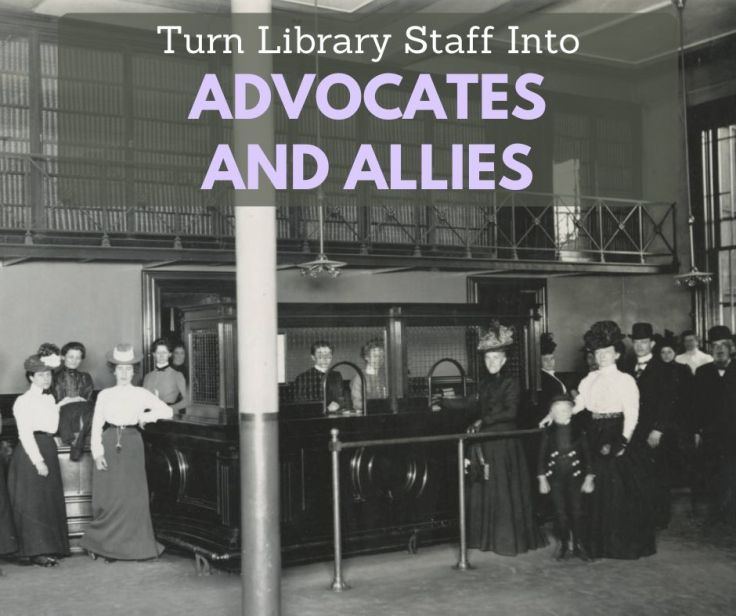
Building Advocates and Allies: How One Library Marketer Used Storytelling To Improve Promotions and Unify His Library

Photo courtesy Cincinnati and Hamilton County Public Library

Effective internal communication is incredibly important to the success of any library.ย But it’s hard to do successfully.

Last week, I shared advice from libraries that have had success communicating with staff and stakeholders using tactics like email. But a friend of mine went about it in a slightly different way.

He used his storytelling skills to improve communication between his marketing team and other library staff members. And in doing that, he built support and unified his library around common promotional goals.

Chris Boivin is the Assistant Director of Community Relations and Marketing at the Jacksonville Public Library in Florida. Heโ€™s been there for six years. Heโ€™s also the host of The Library Marketing Book Club on Facebook (Not a member yet? Weโ€™d love to have you!)

Jacksonville is a large library, with a main location and 20 branches. Chrisโ€™s team manages all the marketing for the system, including the website, social media, podcast, graphics, and volunteers.

โ€œOur work is governed by three things,โ€ explains Chris. โ€œRequests for marketing assistance from other departments (Public Services, Learning Servicesโ€”centralized programming, and others), an annual promotional calendar that we create with input from Library Leadership and Library staff, and the needs of the Library Director to meet the libraryโ€™s strategic and operational goals.โ€

Like many libraries, the marketing department at Jacksonville Public Library operated on an order-taking model. Library staff would request flyers, posters, bookmarks, social media mentions, or digital slides for an event or service they wanted to promote.

Those requests were often not what the audience would respond to. And Chris and his staff were left to talk their co-workers into finding a way to reach their target audiences.

โ€œThis built up a lot of conflict between marketing and the rest of the library,โ€ remembers Chris. โ€œPeople felt like we enjoyed declining their requests and were either finding ways to do less work or doing just the things we liked doing.โ€

Chris says his department realized the form that library staff was using to make requests was part of the problem.

โ€œThey were looking at it like an order sheet (because thatโ€™s what we gave them) and focused on the stuff, not what they were trying to actually achieve,โ€ explains Chris. โ€œSo, we created a new process where instead of the order form, they fill out a questionnaire that asks:

  • What problem is this solving for the customer that wants this?
  • What does success look like for this thing?
  • Who is the target (and it canโ€™t be everyone)?

This new focus helped the marketing department improve things, but Chris says the change wasnโ€™t easy for everyone on the library staff.

โ€œMany of the folks we work with had been doing the other request process for so long that it was very hard for them to give it up,โ€ he recalls.

Then Chris had an idea. He asked for some time at the monthly managerโ€™s meeting to review the process, ask about pain points and gaps, and share marketingโ€™s vision for how promotions could improve at Jacksonville Public Library. There were also some misconceptions about marketingโ€™s role that needed to be addressed.

โ€œThere was a long list of things,โ€ says Chris. โ€œThere was a clear lack of trust with our internal clients. It needed to be addressed head-on.โ€

So, Chris carefully crafted a presentation that would give his coworkers a clear understanding of how his department worked to support them and the library. When the day arrived, he was a mix of emotions.

โ€œI was worried that they werenโ€™t going to receive what I had to say well,โ€ recalls Chris. โ€œBut (I was) also excited because I was confident that I was going to show them lots of things they probably didnโ€™t even realize we were doing to promote things, and I had data and results to back up the methods we use.โ€

โ€œI used some of the tactics that Dr. JJ Peterson from Storybrand talks about in this podcast about speaking,โ€ said Chris. โ€œI started by saying that this is how they might feel when they are trying to get messages to customers โ€“ theyโ€™re shouting and shouting but getting no reaction.

“I said that we in Community Relations & Marketing often feel that way too, and Iโ€™m going to tell them what things we do to make that better. I also acknowledged that they might feel this way when working with us.โ€

โ€œNext I set the situation: where we are, where we need to get to and how we can help each other meet these goals will follow. I talked about how important email is to get the right messages to the people who have the problem that we can help them solve.โ€

Chris used examples to explain how email marketing is working for his library, emphasizing the importance of collecting addresses to build their subscriber list. He also explained how the library and marketing can work together to solve problems for their community. And he positioned marketing tactics, like bookmarks, the website, blog, and flyers as ways to provide an exceptional customer experience.

โ€œI saw a lot of head nodding, got a few laughs, a few looks of ‘oh, I get it now!’ recalls Chris. โ€œI felt like this was making sense, especially the opening where I talked about their frustration with customers and with the marketing department. That frankness really seemed to help disarm everyone and set up a good conversation.”

Itโ€™s been a few months since his presentation, and Chris says heโ€™s seen a positive impact. โ€œResistance to complete the new request forms has gone down, and my team is reporting more cooperation and less tension than before,โ€ reports Chris. โ€œItโ€™s a long road but the more we keep delivering this message, the better.โ€

And now Chrisโ€™s presentation is part of his libraryโ€™s new employee orientation. Heโ€™s also looking for chances to recognize library staff to foster a sense of community amongst workers and encourage them to find positive solutions together.

Chris has some great advice for libraries that want to make sure all staff understand and value the role of marketing. โ€œUse every opportunity you can to inject your messages whenever talking with staff and leadership and try not to get hung up when people arenโ€™t getting it,โ€ advises Chris.

โ€œRemember that in this scenario YOU are the guide, not the hero. Your staff are the heroes using the strategy and plan to find their success in helping customers. Celebrate every win even if itโ€™s just a fist pump to yourself.โ€

โ€œLastly, when you find those staff members who get it, keep them in the loop and ask them for their advice and feedback. Youโ€™ll build wonderful allies and advocates.โ€

He also encourages you to connect with other library marketing staff members in the wider library world. โ€œThere is a wonderful community of support out there for those who market libraries,โ€ explains Chris. โ€œYou will find that we are all experiencing the same frustrations and will be thrilled to learn of any breakthroughs no matter how small you might think they are.”

“Itโ€™s easy to feel like youโ€™re all alone because youโ€™re operating in a sea of people who largely share the same skills, experiences, and goals as each other (but different from you). They may seem like the enemy sometimes, but you can help them reduce wasted time and effort and really make a difference in your customersโ€™ lives.โ€

โ€œReach out to Angela, me, and other library marketers and library marketing enthusiasts anytime you feel unsure, frustrated, or just want someone to share in your success. You got this. Seriously.โ€

Chris was also recently featured on the new podcast, “Library Marketing for Library Marketers“, hosted by Katie Rothley. Listen to his episode.


You May Also Want to Read These Posts

Effective Library Internal Communication Is Not Impossible! Libraries Share Tips for Keeping Staff Up to Date, Engaged, and Happy

The Most Frustrating Part of Library Promotions: Real Advice on How To Manage Approvals

Subscribe to this blog and youโ€™ll receive an email every time I post. To do that, enter your email address and click on the โ€œFollowโ€ button in the lower left-hand corner of the page.

A WordPress.com Website.

Up ↑