Search

Super Library Marketing: Practical Tips and Ideas for Library Promotion

Tag

library promotions

The 2026 Guide to YouTube for Libraries: From Views to Meaningful Engagement

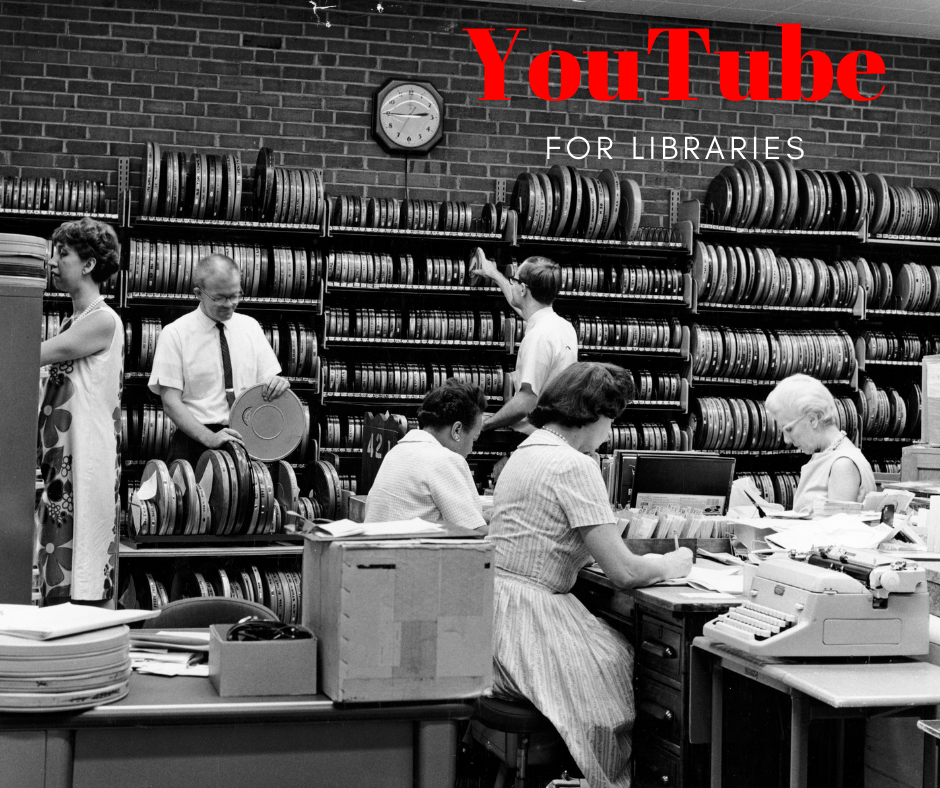
Library employees, including men and women, sorting film canisters in the 1960s.
Photo courtesy Cincinnati and Hamilton County Public Library

This is part of the 2026 series of library social media guides. In addition to this post, be sure to bookmark these new guides:

I’ll cover Instagram and Facebook in the following weeks.

YouTube for libraries

The number of libraries that say they post to YouTube dropped 5 percentage points in 2025, according to the Super Library Marketing Survey. About 56 percent of libraries use YouTube for promotion.

I have a few guesses as to why this happened:

  • TikTok, Instagram Reels, and Facebook Reels are dominating with quick, engaging content. Libraries likely moved resources to these platforms because they offer better reach and engagement for short videos than YouTube.
  • YouTubeโ€™s algorithm increasingly favors creators who post frequently and have high subscriber engagement.
  • Younger audiences (Gen Z and Millennials) are spending more time on TikTok and Instagram than on YouTube for discovery and entertainment.

However, YouTube remains the third-most-popular social media platform for library marketing. It’s also the second most-visited website in the world. Only Google has more visitors! That’s certainly something to consider.

Plus, YouTube videos are deeply integrated with Google Search and Google’s AI Overviews. That’s why, when you search for nearly anything, YouTube videos are often featured in the summary or results.

And AI platforms like ChatGPT, Google Gemini, and Perplexity cite YouTube content in their results. In fact, according to Search Engine Land, YouTube is mentioned 200 times more than TikTok or Instagram in AI-generated answers. Plus, YouTube transcripts and captions are indexed and used by AI platforms to generate their summaries.

How are people using YouTube right now?

Here are some more YouTube statistics to consider, from the Pew Research Center, SaaSworthy, and Connect.

  • YouTube is one of two social media sites with a majority of users across all age groups. (Facebook is the other site.)
  • Adults in the U.S. now spend 49 minutes per day on YouTube, a slight increase from previous yearsโ€‹.
  • YouTube accounts for nearly 13 percent of total television usage, more than other streaming platforms.
  • 90 percent of YouTube users watch videos on their mobile devices.
  • More than 60 percent of YouTube users are between the ages of 18 and 34 years, making it a highly valuable platform for reaching younger readers.

How much success can libraries expect to see on YouTube?

  • According to Napolify, accounts with fewer than 10,000 followers typically have an average engagement rate of 5.91 percent for YouTube Shorts. Most libraries fall into this category.
  • For longer YouTube videos, the average engagement rate ranges from 3 to 7 percent, depending on the account size. The good news is that smaller accounts typically have higher engagement!
  • According to Ventress, most accounts can reach 1,000 subscribers within 12-16 months or around 70-80 videos. That’s a realistic milestone for your library. And, unlike other social media platforms, it pays to focus on building your channel’s subscriber base because YouTube will suggest your content to those subscribers.

The YouTube algorithm for 2026

The YouTube algorithm remains focused on its core mission: Keeping viewers on the platform. It does this by recommending content that maximizes satisfaction and engagement.

The algorithm analyzes billions of signals in real time to predict what each viewer will enjoy next. Here are the updated key ranking factors:

  • Watch time: This is the most important signal. You need to think about this when crafting your videos. Always ask yourself: How can we keep people watching for as long as possible?
  • Titles and descriptions: Use natural, searchable phrases that mimic what searchers would use to find videos. This will help your videos rank in YouTube and Google search results.
  • Likes, comments, and creator replies: That last one is new this year. It means you’ll need to keep an eye on comments and respond as quickly as possible.
  • Consistency: Consistent publishing is a positive signal to the algorithm and will improve your library’s reach over time.
  • Session time: The algorithm now also factors in how long viewers stay on YouTube after watching your content. It’s important to add cards and end screens to your videos to boost this signal.

4 ways to get the best organic reach for your library’s YouTube channel in 2026

#1: Create a strategy that includes both Shorts and long-form video.

YouTube’s algorithm rewards channels that balance shorter and longer videos. Shorts will drive quick exposure and channel growth. Longer videos are great for viewer loyalty and longer watch time.

That’s a tall order for libraries. So here’s what you can do: Repurpose your longer videos into 5-10 Shorts. Use the Shorts to attract new viewers and link to the longer video.

#2: Optimize your titles and thumbnails for viewer satisfaction, not just keywords.

The algorithm prioritizes retention and satisfaction. That means videos that deliver on their promise and keep viewers watching rank higher. I have NEVER seen a library use clickbait in any video, so this tip should be easy to follow!

Use clear titles and compelling thumbnails.

#3: Build community engagement by interacting with your viewers.

Engagement signals such as likes, shares, and comments still matter, but as described above in the algorithm section, YouTube now places a heavy emphasis on creator-driven action. If your library’s channel fosters two-way conversations, you’ll get higher reach and recommendation rates.

Here are some ideas for how to engage with your followers:

  • Reply to comments promptly.
  • Pin posts and comments. Highlighting top comments signals activity and encourages more participation.
  • Use the Community Tab. This feature is available to channels with more than 500 subscribers. You can post text updates on programs or share book recommendations, create polls, and share images, GIFs, and more to keep your audience engaged between videos.

#4: Refresh your evergreen videos for an algorithmic boost.

Older videos can regain visibility if they attract new engagement. The algorithm rewards updates, even for previously published videos.

How can you do this? Reshare your evergreen videos in your email newsletters. Or embed a QR code to watch the video on bookmarks that you then slip into holds and checkouts of physical materials.

You can also update the video itself. Edit the keywords and descriptions. Add captions and transcripts if they weren’t included when the video was originally posted.

Bonus tip: Try a live stream!

When your YouTube channel hits 50 subscribers, you’ll be allowed to livestream. This is very enticing for viewers… they’ll see a special red circle around your main channel logo and the word “live”. Whenever I see this, I can’t help but click on it to see what’s going on. Your viewers will have the same reaction, and that will boost engagement and subscribers to your channel.

Here’s a great example: Prince William Public Libraries livestreams their library turtle. I love to watch this when I need a break from work!

Double Bonus Tip: Use HypeAuditor

You can use HypeAuditor to measure your YouTube engagement rate. From there, you can create a new goal and strategy for 2026.

How often and when to post on YouTube

Consistency is a key component of YouTube success. But the latest data says that timing and frequency now play a bigger role in reach. Here is the latest advice from Ventress.

  • Long-form videos: Start with one video a week. As your channel grows, aim for 2 to 3 weekly videos if your capacity allows.
  • Shorts: Post at least 3 Shorts weekly to increase your reach.

Viraly says the best days to post are weekdays from 12 p.m. to 4 p.m. local time, and weekends from 9 a.m. to 11 a.m. local time.


P.S. Want more help?

2 Easy and Extremely Important Steps To Take Every Time Your Library Uploads a YouTube Video!

Subscribe to this blog, and youโ€™ll receive an email whenever I post. You can also follow me on the following social media platforms:
Does Your Library Really Understand Your Community? How To Use Emotion To Elevate Your Promotional Impact!

Hit the play button above to watch the video

The Library Marketingโ€‹โ€‹โ€‹โ€‹โ€‹โ€‹โ€‹โ€‹ Show, Episode 171: In this episode, I’m going to share an example of a marketing campaign from the makers of the game Monopoly.

This campaign uses a very specific technique to get at the emotional motivation for playing the game. What does that have to do with library promotions? Watch the video to find out!

Kudos in this episode go to a group of Alabama libraries.


๐Ÿ‘ I do a lot of bragging about libraries. But I can’t see everything everywhere, and I’m certain I’m missing some of the best #LibraryMarketing examples. So I need your help! You can share anonymously if you like. Thank you!


Do you have a suggestion for a topic for a future episode? Want to nominate someone for kudos? Let me know in the comments.

And subscribe to this series to get a new weekly video tip for libraries.

Thanks for watching!


Subscribe to this blog and youโ€™ll receive an email whenever I post. To do that, enter your email address and click on the โ€œFollowโ€ button in the lower left-hand corner of the page.

Plan for Library Marketing Success! How To Create an Effective Marketing Plan No Matter the Size of Your Library (Plus a Free Downloadable Template!)

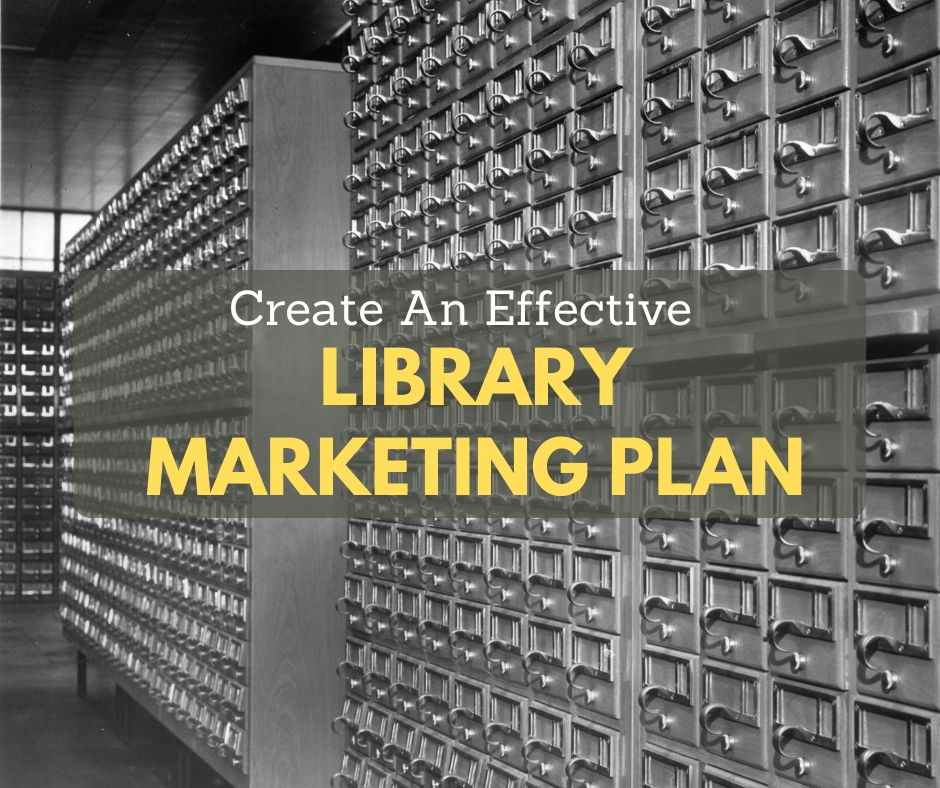
Photo Courtesy Public Library of Cincinnati and Hamilton County

The first time I went to a conference, I made a plan.

I decided which sessions I would attend weeks before the conference began. I studied the floor map of the convention center so I could plot the best way to get from room to room. I made a list of local restaurants and tourist attractions within walking distance of my hotel so that I could make the most of my free time.

Am I bonkers? Nope. I am a planner.

A plan provides a guide for action. It ensures goals are met and time and resources are used wisely.

There are times when spontaneity is called for. But library marketing is not one of them. A marketing plan is key for the success of any type of library promotion.

What exactly is a library marketing plan?

A library marketing plan is a tool you use to help to achieve your library’s overall goals. It lays out the steps involved in getting a promotion out into the world. It helps you decide how and when promotional work will be done for a pre-determined time in a specific way.

A library marketing plan also ensures everyone knows the end goal of your marketing efforts. It sets deadlines. It keeps people accountable. And it clarifies how you will measure your results.

You don’t need a plan for everything you promote at your library. You do need a plan if you are creating a campaign that lasts for more than several weeks.

How to put your marketing plan together

Scroll down to the bottom of this post for a list of free project planning websites. They will help you with the execution of your plan. At the bottom of this post, you’ll also find a customizable template to download. It’s based off the library marketing plan spreadsheet I used for years.

Know the thing you are promoting inside and out.

Be sure you can answer every single question about the thing you are promoting. You must become an expert on the event, service, or item you will promote.

Ask yourself, what problem will this solve for my patrons? How easy is it to use? What are the features that canโ€™t be found at any of my competitors?

Clearly define your end goal.

Use the SMART goal framework to ensure you and your co-workers know exactly what you are aiming to achieve. SMART goals are specific, measurable, attainable, relevant, and timely.

So, if you are looking to increase brand awareness, set an actual, measurable end goal like: “Within the next 6 months, we want 50 percent of residents living within a 30-mile radius of our Main Library to know that we have renovated the building and to be able to name at least one new service available at the library.”

Determine your target audience.

Many library marketers say their target audience is “our cardholders.” Be more specific.

Ask yourself:

  • Which cardholders?
  • How old are they?
  • How often do they use the library?

Fill out your picture of your target audience with as many demographic characteristics as you can. This gives you and everyone working on the plan a picture of who you are trying to reach.

Analyze your competitors.

Research anyone providing a similar program, service, or product. Ask:

  • What are they doing well?
  • What are they doing poorly?
  • What are the things that differentiate your library from their business?

These are your marketing advantages. You can use this information to create messaging that tells your target audience why they should use your library service, instead of a competitor.

Create the message.

Get the message or elevator pitch for your promotion set. It’s the most important part of your plan. You need it to create all the tactics you will use to promote your library.

Choose your tactics.

Go through all the available channels at your disposal for marketing and decide which ones will work best to reach your end goals.

You do not have to use everything that’s available to you. Sometimes, a video will work well and sometimes an email will do a better job. Not every promotion needs print materials, a press release, or a digital sign.

You know best how your target audience reacts to each tactic and which will bring you the best results. If you have a budget, decide how you’ll spend it during this step.

Set the schedule.

Every library has a different approach to its promotional schedule. I am a fan of tiered distribution of marketing. The approach takes advantage of a consumer cycle of excitement. Here’s how it works:

  • Release one or two promotional tactics at the beginning of your promotional cycle, like a social media post and a press release. The promotion gets some play, and excitement builds in the consumer base. It gets shared and people talk about itโ€ฆ and then the excitement dies out.
  • Release the second tactic, like an email, and the people who see the email get excited and start talking about it and sharing it, and then their excitement dies out.
  • Release a video, and that builds excitement and gets shared, and the excitement then dies out. And so on!

When you use the tiered distribution approach, you get a longer promotional thread. Your promotions will be more successful because the excitement around them builds over time, not in one big burst.

It is also easier on the person running the marketing! It gives you a small break in between each tactic and creates time for you to measure the success of each tactic individually.

Assign tasks.

Delegate jobs and deadlines for appropriate staff. If you need help from another library department, assign their deadline now so they have plenty of time to get you the information you need.

Measure results.

Don’t forget to measure and record the reaction to each piece of your marketing plan. Analyze what worked and what did not, so you can put that knowledge to use next time.

Free or cheap project management solutions

Clickup: the free plan will work for small libraries. The unlimited plan is very affordable and would work well for medium to large libraries.

SmartSheet: their lowest plan tier is a little more expensive than ClickUp but has more integrations.

Asana: this is what my employer NoveList uses. It makes is easy to assign tasks and deadlines.

Marketing plan template

I’ve created a customizable marketing plan spreadsheet. It includes my suggestions for the timing of promotional tactics for an event or service promotion.

You can delete or add columns based on the tactics available to your library and the size of your library. Download it here.


Related Advice

What the Heck Is the Difference Between Library Statistics and Marketing Metrics? Hereโ€™s the Full Explanation and Why They Are BOTH Important!

Planning for Magic! How To Keep Your Eyes (and Your Schedule) Open for Unexpected Library Promotional Opportunities

Subscribe to this blog and youโ€™ll receive an email every time I post. To do that, enter your email address and click on the โ€œFollowโ€ button in the lower left-hand corner of the page.

๐Ÿ“ฑHow to Properly (and Legally!) Share Creative Content on Your Library’s Social Media Channels

In this episode of The Library Marketing Show, I’ll answer a question from the viewer about sharing original content from other creators on social media.

This viewer asked for clarification on the correct online etiquette for sharing content, specifically cartoons or memes, from another page. I have two tips that worked for me when I worked in a library plus advice from experts.

Kudos in this episode go to Saul Hernandez of the Charlotte Mecklenburg Public Library.

Do you have a suggestion for a topic for a future episode? Want to nominate someone for kudos? Let me know in the comments.

And subscribe to this series to get a new weekly video tip for libraries.

Thanks for watching!


Subscribe to this blog and youโ€™ll receive an email whenever I post. To do that, enter your email address and click on the โ€œFollowโ€ button in the lower left-hand corner of the page.

The Divide and Conquer Method of Library Marketing: How to Realistically Reach Your Library Promotional Goals Without Losing Your Ever-Loving Mind [ARTICLE]

Photo courtesy Cincinnati and Hamilton County Public Library

Have you been in the grocery store cereal aisle lately?

Recently I had a craving for yogurt topped with cereal as a snack. So, I went to the store with the simple plan of buying a box of cereal.

Did you know the average grocery store carries nearly 300 types of cereal? The cereal in my store takes up the length of an ENTIRE AISLE.

Holy Cheerios, Batman.

There is such a thing as too many choices.

When youโ€™re faced with a wide range of selections, you can end up feeling paralyzed and unable to decide. Or, worse yet, you make a decision that turns out to be the wrong one because there were too many factors to take into consideration.

I sometimes feel the same way about working in library marketing.

Many of us have too much work to do. We have multiple goals we are trying to reach. And all that work makes it impossible to do anything well. It’s no wonder our promotions fail. We need to focus on focusing.

Now thatโ€™s youโ€™ve created a promotional strategy and youโ€™ve set up a promotional calendar, you may be tempted to try a whole bunch of new promotional ideas all at once.

But for true library promotional success, you’ll need to pace yourself. You want to be deliberate, intentional, and thoughtful about the library promotions you put out into the world.

Easier said than done, right?

So how do you create your promotions, track the results, and not lose your mind?

By using something I like to call โ€œthe divide and conquer approach.โ€

Iโ€™ve put together a three-step process to help you manage your workflow. This simple plan will help make sure your time is spent wisely. It will ensure you have the time to create your promotions and check the results so you can ensure that youโ€™re reaching your promotional goals.

This method will make your marketing goals feel more manageable to you. You won’t get overwhelmed. And you’ll be able to spend time creating and tracking promotions to make sure the work you’re doing is effective.

Tackle one goal at a time.

People often sing the praises of multitasking, but any time management expert will tell you it kills productivity and leads to burnout.

Instead, you’ll want to prioritize your library marketing goals. Decide which is the most important by asking yourself one simple question: ย Which goal will have the most positive impact on your library? Thatโ€™s the one you should focus on.

This laser focus will actually allow you to reach ALL of your library promotional goals faster. When you focus fully on one goal, you can learn valuable lessons about your community and how they respond to your promotions on your available channels. And those lessons will make it easier for you to reach your future goals.

As you work towards your goal, youโ€™ll learn along the way which work, which donโ€™t, and how to carry them out effectively. You can use this valuable knowledge for future goals.

Create an action plan with list of tasks you need to complete to reach your goal.

In this step, you’ll very specifically lay out what needs to be done to reach your goal. This will make the final goal seem less overwhelming. It will also help you to gauge how much time you need to set aside each day to work on your promotions.

Let’s say that your priority goal is to increase the number of people who come to visit a physical library space. Your initial task list might look something like this.

  • Create a weekly email to promote a service that’s only available inside a library branch.
  • Create one Instagram and Facebook story per week to highlight a service that’s only available inside a library branch.
  • Create two social media posts per week on Facebook, Instagram, and Twitter to promote one in-person event.
  • Create a video that shows people coming into a library branch, focused on the physical space as a place of community and social interaction.

Now that you have your initial list of tasks, you can divide each task further into two or three smaller action items.

For example, your initial task of creating two social media posts per week on Facebook, Instagram, and Twitter to promote one in-person event can be accomplished by making a smaller action item list like this:

  • Choose events (consult with programming department)
  • Write post text
  • Create images
  • Schedule posts

Set a firm timeline for reaching your overall goal. Assign deadlines for each item on the task lists.

For our example, we may decide that we are going to work for the next two months on increasing in-person visits to the library.

Now, we can take our lists of tasks and set deadlines for when each of these tasks needs to be completed and released out into the world. Those deadlines will help you reach your target efficiently by assigning a timeframeโ€”a start and end dateโ€”to every step in the process.

This “divide and conquer” approach gives you and your co-workers a chance to merge this new way of thinking and the new workload into your schedule without stress. It will make it easier to measure results.


Related Posts

How to Create a Social Media Strategy That Actually Works

Call It What It Is: Toledo Public Library Explains Their New Brand Strategy

Subscribe to this blog and youโ€™ll receive an email every time I post. To do that, enter your email address and click on the โ€œFollowโ€ button in the lower left-hand corner of the page.

Twitter Changes Their Image Policy, New Instagram Trends, and the Best Times to Post on Each Platform!

Watch Now

The Library Marketingโ€‹โ€‹โ€‹โ€‹โ€‹โ€‹โ€‹โ€‹ Show, Episode 96

In this episode, we’ll go through the latest updates for social media platforms and what they mean for libraries.

This month’s headlines include a change in Twitter’s image cropping policy, a new report on Instagram use, and another new report that lays out the “alleged” best times to post on each social media platform. Watch the video to find out why I believe libraries should take this third report with a grain of salt!

Kudos go to the Coralville Public Library. Watch the video to find out why a fellow viewer nominated them for mention in this episode.

Do you have a suggestion for a topic for a future episode? Want to nominate someone for kudos? Let me know in the comments. And subscribe to this series to get a new video tip for libraries each week.

Thanks for watching!

Angelaโ€™s latest book reviews

Think Again: The Power of Knowing What You Donโ€™t Know by Adam Grant

Mediocre: The Dangerous Legacy of White Male America by Ijeoma Oluo

Why NOW Is the Time To Experiment With Your Library Marketing and Promotions!

WATCH NOW

The Library Marketingโ€‹โ€‹โ€‹โ€‹โ€‹โ€‹โ€‹โ€‹ Show, Episode 95

In this episode, I want to inspire you to experiment with your library marketing and promotions this summer. I’ll give you some ideas to help you do this, and I’ll explain why right now is the perfect time to try things you’ve never tried before.

Kudos go to the Iowa Library for the Blind and Print Disabled. They were honored by the Library of Congress for their work during the pandemic.

Do you have a suggestion for a topic for a future episode? Want to nominate someone for kudos? Let me know in the comments. And subscribe to this series to get a new video tip for libraries each week.

Thanks for watching!

Two New Tools That Will Help You Write Better Library Promotional Copy!

Watch Now

The Library Marketingโ€‹โ€‹โ€‹โ€‹โ€‹โ€‹โ€‹ Show, Episode 93

In this episode, I’m sharing two tools that will help you when you’re writing any kind of library promotional copy for any type of marketing tactic.

Kudos go to the Elizabeth Public Library in New Jersey for their great work with their immigrant population and with job seekers.

Do you have a suggestion for a topic for a future episode? Want to nominate someone for kudos? Let me know in the comments. And subscribe to this series to get a new video tip for libraries each week.

Thanks for watching!

Library Programming and Promotions SHOULD Be BFFs! Here’s Why They Must Work Together.

Watch Now

The Library Marketing Show, Episode 68

In this episode, Angela shows you three reasons why you must keep promotions in mind while you create your library programming.

Kudos in this episode came from Evelyn Shapiro from the Champaign Public Library for their series of Library Love videos.

Do you have a suggestion for a topic for a future episode? Want to nominate someone for kudos? Let me know in the comments.

And subscribe to this series to get a new video tip for libraries each week!

Thanks for watching.

A WordPress.com Website.

Up ↑