Search

Super Library Marketing: Practical Tips and Ideas for Library Promotion

You Donโ€™t Have To Be Cool To Promote Your Library to Teens! Here Are Seven Seriously Easy Ways To Connect With Gen Z

Photo courtesy Public Library of Cincinnati and Hamilton County

Once you have taken a look inside the minds and lives of Gen Z, you can focus energy on teens as a target promotional audience. Here are seven tips to create effective promotions that reach your teen audience.

Create personas that reflect your diverse teen audience.

Teens have widely different tastes in just about everything-music, movies, clothesโ€ฆ the list goes on and on. That makes it hard for a library to market to them. But, if you can pinpoint exactly what kind of teen will be interested in the program or service you want to promote, you can do a better job of marketing.

Before you write any copy or create any graphics, build a persona to help you imagine the exact teen you wish to reach. How old is the teen you’re targeting? What kind of student are they? What do they like to do in their free time? Are they a regular library user or do they barely ever interact with the library?

These questions will help you decide what to write, what graphics to use, and where to put your promotions. For example, a poster is not effective for reaching an older teen who is an ambitious and college-focused student, who has very little free time, and who mainly interacts with the library online. For that teen, you’ll want to create digital promotions with photos or graphics that accurately reflect that specific population.

Build relationships with people who can help you.ย 

Adults who regularly interact with teens, including teachers and teen librarians, will be your library’s secret promotional weapon. These adults can give you insight on your specific teen audience, including their interests, transportation situation, and struggles in school. Use these insights to build those targeted personas.

Of course, you’ll want to keep your teen librarians and the teachers in your local school district informed about new programs and services. You can also ask them to recruit teen influencers to help spread the word. Kids put more trust into recommendations from other teens as well as from adults they trust.

Ask teens what they want.

In my former library job, I was asked to promote our homework help service. I created a target persona and wrote some marketing messages.

Then, I went to a group of teens I know and I asked them for feedback. That led to a fascinating and enlightening conversation. Not only did they share their thoughts on my proposed marketing, they also provided feedback on the homework help service itself.

They thought it would be even more helpful to have homework help late at night. They also suggested that libraries schedule teen programs later to accommodate their schedule. And the teens all said that they prefer to do things in groups with other teens, so they wanted us to do more group-oriented programming.

That conversation left a lasting impression on me. I came to understand that teens are not often asked for their opinions by adults. Doing so makes them feel engaged and connected to the library. The conversation itself was a form of marketing! I also gained some insight that helped my library improve it’s services to teens.

If you don’t have access to a group of teens yourself, ask your teen librarians and teacher friends to run ideas by their patrons and students to get preliminary feedback on your services and your marketing.

Let teens market to other teens.

Teen Read Week happens every year here in the U.S. For the first few years in my former job at a library, I was very general with my marketing message. โ€œHey teens, itโ€™s Teen Read Week. You shouldโ€ฆ read.โ€ You won’t be surprised when I tell you that never worked very well.

One year, I decided to create aย specific reading recommendation list for teens created by other teens. I recruited the help of our teen librarians. They asked teens to write down their favorite book along with a one-sentence explanation of why they would recommend that book to other kids their age.

We compiled the responses into a book list which was our main promotional focus during Teen Read Week. We did social media posts. Then, we created an email that we sent to our teen cardholders with a direct link to the list.

The results were fantastic. We saw a 29 percent increase in circulation for the books on that list during Teen Read Week. And we had more teens than normal who shared the social media posts about the booklist because they had helped to create it.

This list worked because teens love to be asked for their opinions about books. And theyโ€™re more likely to read something suggested to them by another teenager.

You can recreate this success for all kinds of promotions. Ask your teen librarians to recruit teens who love the library and who are willing to talk about it with other teens. Let them create TikTok videos, Instagram Stories, and Instagram Reels talking about your library. Encourage them to tag your library when they’re at the library, posting selfies on social media. Teen influencers are the most effective marketing tactic for other teens.

Market to teens’ parents and adult caregivers. ย 

In my former job, my library received a grant for a financial literacy program. During the first year of this two-year program, we tried targeting our message directly at teens. That tactic was only marginally successful. Attendance was never at the level we wanted.

So, when it came time to plan for year two of the program, we changed course. We started targeting our message to the teens’ parents and teachers. We used the same promotional tactics-fliers, posters, emails, social media posts, and a paid ads. But we changed the message to appeal to adults who are worried about the financial literacy of their teens. We encouraged teachers to offer extra credit to students who attended.

And it worked–attendance rose significantly during that second year. You can replicate that success by taking the same approach at your library.

Emphasize the social value of your library.

Research shows teens appreciate companies and products that support good causes. They want to be involved in organizations that help to transform the world. Your library can tap into teen activism by emphasizing the social value of your library.

Create content marketing for teens to educate them about the work you do. If you have programs and services for underserved populations, let your teens know. If your library is actively involved in social justice causes, let your teens know that too. Then, make sure there are ways for the teens in your community to volunteer their time to help you!

Donโ€™t forget the collection!

Kids still love to read. Donโ€™t let anyone tell you any differently. They want reading suggestions. They want to know when new books are added to your collection.

Ask teens if they want to sign up for an e-newsletter so you can send them reading suggestions directly to their inbox. (Yes, teens read email!) Market your readers’ advisory service to teens. And ask teens to help you compile reading lists to send to other Gen Z patrons.


Did I miss anything? Has your library had success marketing to teens? Share your ideas in the comment section.

You may also like these posts

Your Library Can Reach Teens With Programming and Marketing! A Look Inside the Lives and Minds of the Elusive Generation Z

Zoom Fatigue is RUINING My Library Programming! How the Heck Should Libraries Deal With That?

Latest Book Review

The Cold Vanish by Jon Billman

Subscribe to this blog and youโ€™ll receive an email every time I post. To do that, click on the โ€œFollowโ€ button in the bottom left-hand corner of the page. Connect with me on YouTube, Twitter, Instagram, Goodreads, and LinkedIn.
Here’s When Itโ€™s Okay for Your Library To Forget Perfection and Just Push Send!

Watch Now

The Library Marketing Show, Episode 85

In this episode, I’ll talk about why it’s sometimes okay to send out marketing emails and e-newsletters that are *NOT* perfect.

Kudos in this episode go to the Clearwater Public Library System.

Do you have a suggestion for a topic for a future episode? Want to nominate someone for kudos? Let me know. And subscribe to this series to get a new video tip for libraries each week.

Thanks for watching!

Your Library Can Reach Teens With Programming and Marketing! A Look Inside the Lives and Minds of the Elusive Generation Z

There is one question I get every time I work with a library or speak at a conference. Library staff always want to know, โ€œHow do we reach teenagers?โ€

Teenagers are not alien beings. They’re just another target demographic with specific needs, wants, and pain points. And libraries can reach them with intentional promotional tactics. But first, we need to understand who they are, what they like, and what challenges they face.

Generation Z: what do we know about teens right now?

Teens are part of the generational label known as Gen Z. This generation encompasses anyone born between 1997 and 2015.

There are nearly 68 million Americans in Gen Z, according to the Pew Research Center. Teens make up one-fifth of the population in the UK and about 13 percent of the population in Australia. That’s a lot of people! It’s why this work is so important.

Here is some key demographic information to keep in mind as you develop library programming and marketing for this group of users.

  • They are the most racially and ethnically diverse generation.
  • Gen Z are digital natives. They can’t remember a world without smartphones and computers.
  • When it comes to social and political issues, Gen Z mirrors the values and beliefs of Millennials.

If you aren’t lucky enough to have a teen in your household, you may be wondering what they like and dislike. Google did a trend study to find out what teens think is cool. Gen Z defines “cool” as something that is unique, interesting, or brings them happiness. Here are the findings that directly relate to libraries.

  • Male teens are more likely to be persuaded that something is cool by their friends, where female teens will determine whether something is cool based on how it makes them feel.
  • The top three social media platforms by usage for male teens are Facebook, Instagram, and Snapchat. For female teens, the top three social media platforms are Instagram, Snapchat, and Facebook.
  • However, the study also finds Facebook is considered “uncool” by teens. Teens connect with friends on Snapchat but are not consuming content on that platform from brands, including libraries. Instagram appears to be the place where teens both consume and interact with library content.
  • Gen Z loves on-demand entertainment options, like streaming music and video.
  • And here’s the best finding: reading is among the coolest activities for teenagers! It’s almost as popular with teens as video games.

What we learned from marketing to Millennial teens may apply to Gen Z

Whatever you did to market to Millennial teens a decade ago, it worked. The Pew Research Centerโ€™s study of millennials shows that they are the most active library users of any generation.

The study draws a connection between that increase in engagement and the changes libraries made to their service model in the last decade. Increased computer access, as well as extra services like meeting spaces, makerspaces, and collaborative workspaces changed the publicโ€™s perception of libraries and specifically appealed to young adults. ย 

The impact of the pandemic on Gen Z

The COVID-19 crisis may have impacted teens more than any other generation. We won’t know the full extent of that impact for years. But there is some research done in 2020 about the pandemic and teens to use as a starting point.

  • A Bank of America report shows the pandemic will impact Gen Z’s financial and professional future in the same way that the Great Recession did for millennials. They’re less likely to be employed, because of the financial crisis brought on by the pandemic. One in four Americans in Gen Z lost their job between February and May of 2020.
  • Because of the pandemic, some teens are more cost-conscious. The State of Gen Z report shows 54 percent of teens are saving more money now than they did before the crisis. 39 percent have opened an online bank account.
  • Before the pandemic, Gen Z was on track to be the most well-educated generation. But the move to remote learning has cost many teens a great deal educationally. Half of high schoolers will lack minimum levels of proficiency to enter college by the time they graduate (up from 40 percent before the pandemic). Many teens have put off applying for college altogether.
  • Social isolation during the pandemic created a mental health crisis for Gen Z. A survey by StuDocu showed about 62 percent of teens reported worsening mental health during the pandemic.

Library programming and service ideas for Gen Z

How can libraries help teens and turn them into lifelong library users? There are some specific programs and services that libraries could create to address the challenges facing Gen Z right now.

  • Your collection is an escape for teens. Your library’s books, streaming music, and movies can help kids deal with the emotional stress of the pandemic and of being a teenager in general! The collection is the gateway to introduce teen library users to other services. It should be regularly marketed to your teen community members.
  • We can minimize the educational losses for teens by offering personalized online tutoring services in a safe, judgement-free environment. Libraries spend a lot of time and energy on early literacy programs. I would argue that right now, we need to devote just as many resources to help Gen Z get back on track educationally as we do teaching little ones basic literacy skills.
  • We should create financial literacy programs for teens that include the basics like budgeting, how to open and manage a bank account, and realistic tips to help them save for post-secondary education.
  • Libraries can specifically target teens with job creation programs. Your staff can help Gen Z community members create their first resume, search for jobs online, and successfully navigate interviews.
  • Libraries should offer unstructured programs that let teens socialize in a safe space, even if it’s online.

The programs and services you provide during this critical time will build the foundation for a life-long library relationship between libraries and teens.

Next week: Specific tips for marketing your library’s collection, services, and programming to teens.


Do you have thoughts on this research? Is your library succeeding in marketing to teens? Share your thoughts in the comments.

You may also like these posts

Teens Read Emails. Hereโ€™s How To Make Sure They Notice Yours!

The Ultimate Library Marketing Checklist: How to Decide When and Where to Promote Your Library

Latest Book Review

The Children’s Blizzard by Melanie Benjamin

Subscribe to this blog and youโ€™ll receive an email every time I post. To do that, click on the โ€œFollowโ€ button in the bottom left-hand corner of the page. Connect with me on YouTube, Twitter, Instagram, Goodreads, and LinkedIn.

How to Reboot AND Optimize Your Library’s YouTube Channel for Marketing Success!

Watch Now

The Library Marketing Show, Episode 84

In this episode, I’ll answer a question from Jennifer of the Park Ridge Public Library. She asked, “What advice would you give to a library needing to reboot the way they use YouTube? We have a YouTube account but only used it sporadically in the past. How can we effectively use it to promote programs, host book talks, share big library news?”

Kudos in this episode go to the Sierra Madre Public Library for their amazing work on TikTok!

Do you have a suggestion for a topic for a future episode? Want to nominate someone for kudos? Let me know in the comments. And subscribe to this series to get a new video tip for libraries each week. Thanks for watching!

Want To Do a Better Job at Marketing Your Library? Hereโ€™s the Secret: Read More Fiction!

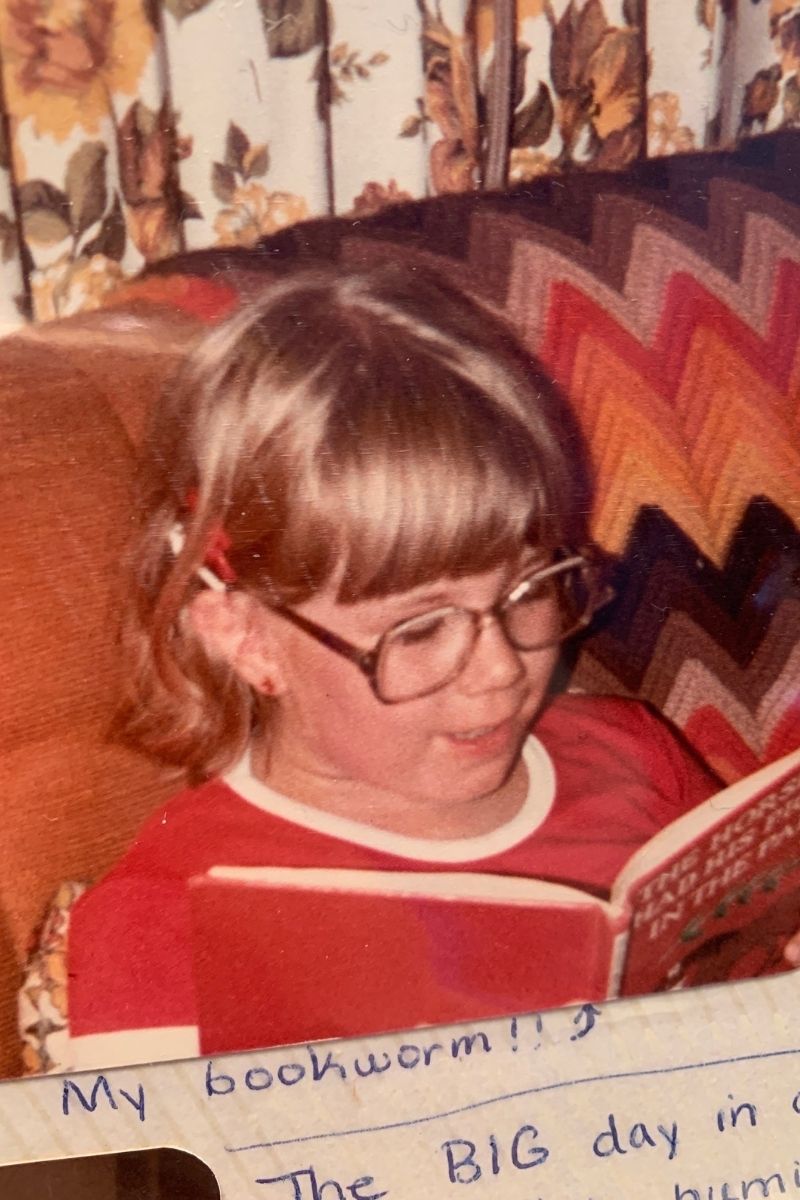
I was recently looking through some old photo albums when I came across this gem.

You can see my mother wrote the words “My bookworm” under this photo of me, age 7, reading “The Horse That Had His Picture in the Paper” by Helen Stone. I have always loved fiction.

Of all the people in the world, I am certain I really don’t have to explain to my readers why fiction is amazing. You work in a building stuffed with fiction!

But, if I were to ask you what you’ve read lately that will help improve your work skills, my guess is that you would not name a work of fiction.

Of course, your work will be improved by reading a great business or career-oriented book. I can think of a few inspiring examples, like Ann Handley’s Content Rules, which literally changed my life, or Unmarketing by Scott Stratten. You can get a chance to read books like these and talk about them with other library staffers if you join the Library Marketing Book Club on Facebook. There is a lot of value in reading advice on marketing.

But reading fiction will also make you a better marketer. Here are the six reasons why reading fiction will improve your ability to promote your library.

Fiction is good for your brain. A study by researchers at Emory University, published in the journal Brain Connect, found that reading a novel can increase connectivity in the brain and improve brain function. Lead researcher Gregory Berns concluded, “At a minimum, we can say that reading storiesโ€”especially those with strong narrative arcsโ€”reconfigures brain networks for at least a few days. It shows how stories can stay with us.”

Storytelling requires the work of different areas of your brain in order to help you understand the dialogue, plot, and characters. A work of fiction will train your brain will do a better job of processing complex problems in your library work.

Fiction teaches you to empathize with your community. That same study from Emory University found that reading fiction improved the readers’ ability to view the world from another person’s perspective.

Researchers theorize the act of reading forces the brain to process the emotions and physical actions of the protagonist. That processing leads to a greater compassion.

Activating compassion will cause you to create better service for your community. When you can put yourself in the shoes of your patrons, you are more likely to see their needs and find ways that your library can meet those needs.

Fiction activates your imagination. Reading fiction improved the imagination of the Emory University study subjects. It teaches you to think outside the normal boundaries of your life. It shows you the possibilities that exist when you don’t constrain yourself. It’s also a great way to forget your troubles for a few hours, and we could all use a little of that!

Fiction expands your vocabulary. A novel will expose your brain to a larger variety of words than you might run across in normal conversation or emails. The more your brain is exposed to this increased mass of vocabulary, the more you absorb it and incorporate it into your own work.

That doesn’t mean you have to write in a verbose manner in order to prove how your vocabulary has expanded. Rather, it means you’ll have a greater bank of words in your native vocabulary to choose from when you are trying to convey the perfect sentiment in your marketing pieces.

Fiction teaches you the difference between a great story and a terrible story. When’s the last time you started reading a novel and couldn’t stop? (For me, it was last month.) Now, when’s the last time you started reading a book and had to quit three chapters in because you couldn’t stand it anymore? (Again, this happened to me last month!)

The more fiction you read, the more you understand what a great story looks like. You’ll start to recognize good stories you can use as marketing for your library.

Reading fiction from your own library gives you a sense of your patrons’ experience. In the business world, companies and entrepreneurs are encouraged to go through the buying process for their own products to get a sense of what their customers experience. Library staff should do the same.

Look at the whole experience through the eyes of your community. Is your catalog easy to find on your website? Are there plenty of reading suggestions on your website, in your emails, and social media platforms? Can you find the books you love in the genre you prefer? How long do you have to wait to get your holds? Does your catalog suggest read-a-likes to keep your readers engaged while you wait for your holds? Is the process of checking out a book easy and painless?

Using your own collection can give you valuable insight. Your patrons’ delight and frustrations become your own delight and frustrations. The delights can become promotional tools for you to use in your marketing pieces. And the frustrations will prompt your library to make improvements that will increase circulation.


What are you reading right now? Do you prefer fiction or nonfiction books? Why or why not? Share your thoughts about reading and books in the comments section.

You may also like these posts

Four Eye-Opening Library Marketing Lessons I Finally Learned When I Left My Library Job and Became a Regular Patron

Experts Reveal the Truth About What Your Library Needs to Do Now to Build Support for the Future

Latest Book Review

The Lost Orphan by Stacey Halls

Subscribe to this blog and youโ€™ll receive an email every time I post. To do that, click on the โ€œFollowโ€ button in the bottom left-hand corner of the page. Connect with me on YouTube, Twitter, Instagram, Goodreads, and LinkedIn.

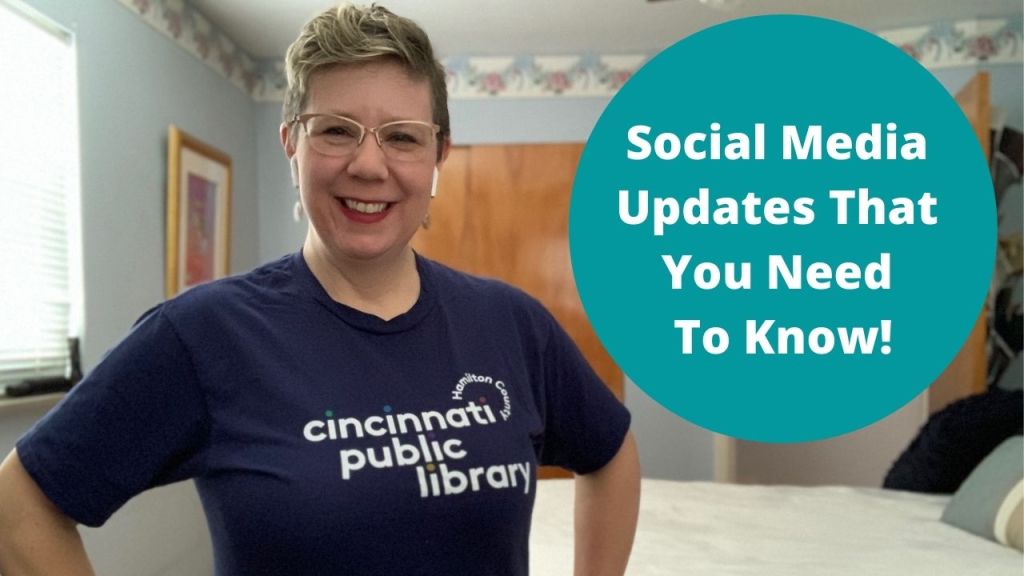
NEW SEGMENT! Social Media Updates on Instagram, Facebook, and Pinterest That You Need To Know

Watch Now

The Library Marketing Show, Episode 83

I’m starting a new segment! On the last Wednesday of every month, I’ll be updating you on three headlines related to social media that pertain to library marketing.

In this episode, I’ll update you on news about Instagram Reels and TikTok, Facebook, and a new Pinterest feature.

Kudos in this episode go to the Bristol and South Gloucestershire libraries in the UK for their involvement in the Collect and Drop Surge Testing Service for COVID 19.

Do you have a suggestion for a topic for a future episode? Want to nominate someone for kudos? Let me know in the comments. And subscribe to this series to get a new video tip for libraries each week. Thanks for watching!

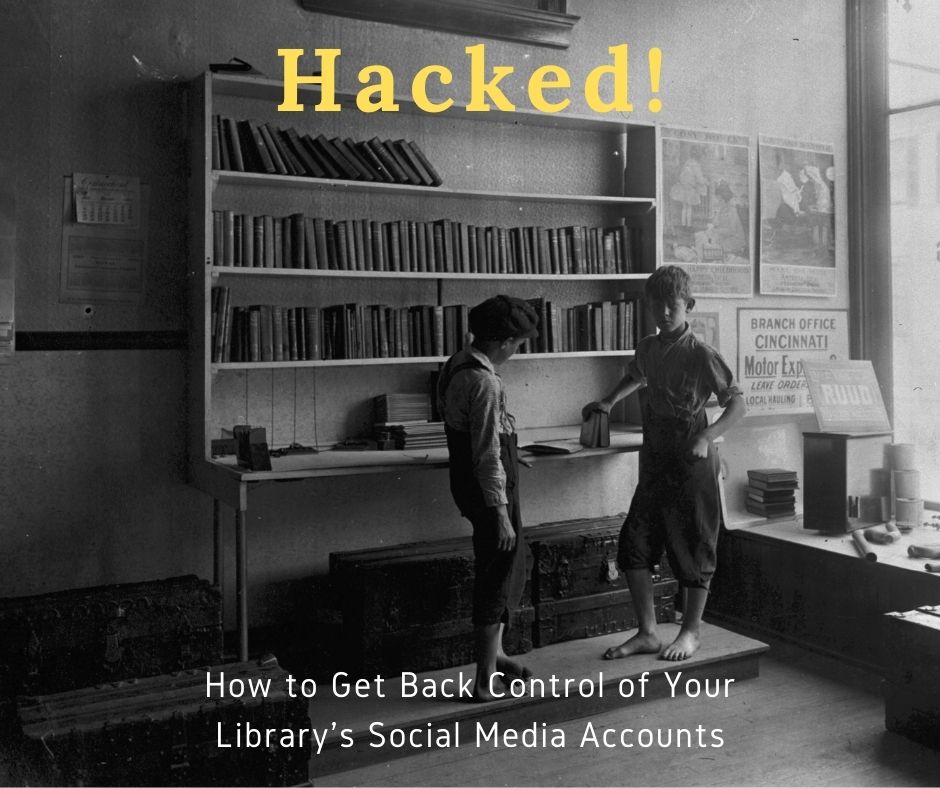
What to Do If Your Library’s Social Media Accounts Are Hacked: A Step-by-Step Guide to Getting Control Back

In the last post, we covered ways to beef up security for your libraryโ€™s social media accounts to prevent hacking. But what do you do if your accounts are compromised?

It happens more often than you realize. 36 percent of all internet users report theyโ€™ve been hacked, and some were victims more than once.

If your library’s accounts are compromised, it’s critical to gain control back as soon as possible. Bookmark this post so you and your fellow staff members will know what to do.

How do you know a hack has happened?

Admins for library social media accounts should be on the lookout for the three main signs of hacking.

  • You receive an unprompted email that you changed your login email or password when you did no such thing.
  • You canโ€™t log in to your accounts.
  • Your account displays posts and direct messages you didnโ€™t create.

Platform-specific steps to take if you determine youโ€™ve been hacked.

Youโ€™ll notice I advise you to take screenshots during various steps in this guide. You may need evidence of the hack to get control back of your account. Itโ€™s also just good practice to take screenshots and save them to use as you review what happened with your supervisors or staff.

Facebook

  • Look at your Page Roles to see if unauthorized people have been added as admins to your account. If they have, take a screenshot, and then remove them immediately.
  • Next, check Page Info to make sure your authorized phone number, email, and website have not been changed. If any unknown or unauthorized numbers are listed, take a screenshot and then delete them.  
  • Go to Page Management History to review changes that may have been made to your page by hackers. Again, take a screenshot of any suspicious activity.
  • Finally, go to your Activity Log. Log out of any sessions you do not recognize but first, (you guessed it!) take a screenshot.
  • If you cannot log into your Facebook account, try sending yourself a password reset email, and recover your account through your registered email address.
  • If you still have trouble, report your account as compromised immediately, and follow the steps as directed by Facebook.

Twitter

  • Check Settings and Privacy to see if unauthorized people or email addresses have been added as admins to your account. If they have, take a screenshot, and then remove them immediately.
  • Also under Settings and Privacy, check the phone number associated with your account. If any unknown or unauthorized numbers are listed, take a screenshot and then delete them.  
  • If you cannot log into your Twitter account, and a password reset does not give you access, go to the Twitter Help Center and choose Hacked Account from the list of options. Follow the steps to recover control of the authorized email associated with the account.
  • If you still have trouble, contact Twitter Support directly.

Instagram

  • Check Privacy and Security to see if unauthorized people or email addresses have been added as admins to your account. If they have, take a screenshot, and then remove them immediately.
  • Check Edit Profile to make sure that your authorized phone number is still associated with your account. If any unknown or unauthorized numbers are listed, take a screenshot and then delete them.
  • Check Login Activity to see if your account was accessed from any suspicious locations or devices.
  • Youโ€™ll also want to check Contacts and delete any unauthorized synced contacts. Take screenshots of all suspicious activity.
  • If you still cannot log into Instagram, contact Instagram directly and work with them to recover your account. The steps to do this vary depending on the mobile device you are using. You’ll find those steps on theย Instagram Help page. ย 

LinkedIn

  • Look at your Admin section to see if unauthorized people or email addresses have been added as admins to your account. If they have, take a screenshot, and then remove them immediately.
  • If you cannot access your LinkedIn account, contact LinkedIn immediately by submitting the Reporting Your Hacked Account form.

Pinterest 

  • Pinterest will place your account on Safe Mode if they suspect suspicious activity. Safe Mode locks your account protecting your pins and preventing any further unauthorized changes or actions. In order to unlock your account from Safe Mode, theย password must be reset. ย 
  • Click on the down arrow next to your profile photo in the upper right-hand corner and select Settings, then Edit Profile. Check to make sure your authorized phone number, email, website, and location have not been changed.
  • Also under Settings, click on Security to check that there are not unauthorized connected devices.
  • If you cannot access your Pinterest account, contact Pinterest for further help.

What to do after you regain control.

  • Notify your followers that your accountย may haveย beenย compromised. This will prevent your fans from clicking on any suspicious posts or messages that appear to be coming from your library’s page, but may contain malware.
  • Notify other account admins and review the steps to beef up security with your account admins.
  • Change the passwords on all your accounts.
  • Check to see if there are any new apps or connections created with links to your accounts. If so, delete them. Hackers often gain access to social media accounts through third party apps.

Did I miss anything? Has your library been a victim of social media account hacks? Let us know in the comments below.

You may also like these posts

How To Create a Library Social Media Policy for Your Staff and Your Community That Encourages Interaction and Keeps Everyone Safe

How to Convince Your Library Staff That Library Marketing Materials MUST Be Accessible!

Latest Book Review

The Book of Two Ways by Jodi Picoult.

Subscribe to this blog and youโ€™ll receive an email every time I post. To do that, click on the โ€œFollowโ€ button in the bottom left-hand corner of the page. Connect with me on YouTube, Twitter, Instagram, and LinkedIn.

There is NO SUCH THING as Too Many Library Marketing Emails! Why Libraries are the Exception to the Rule.

Watch Now

The Library Marketing Show, Episode 82

In this episode, I respond to the common misconception that a library can send too many emails and annoy their cardholders. Libraries are the exception to the email marketing rule and I’ll explain why that is.

Kudos in this episode go to the Dallas Public Library, who did a branch grand opening in the middle of the pandemic!

Do you have a suggestion for a topic for a future episode? Want to nominate someone for kudos? Let me know in the comments. And subscribe to this series to get a new video tip for libraries each week. Thanks for watching!

Six Critical Steps You Need To Take Right Now To Shield Your Libraryโ€™s Social Media Accounts From an Attack

Photo courtesy Public Library of Cincinnati and Hamilton County

Next week on the blog: What to do if your library’s social media accounts are hacked!

Two years ago, I listened to two episodes of the Social Media Examiner podcast that gave me nightmares.

The first episode featured an interview with a fitness instructor who lost control of ALL her accounts in the span of an hour. Her quest to gain control back was a saga I don’t ever want to experience.

The second episode featured an interview with the Social Media Examiner team as they recounted the day they lost control of their own Facebook business account.

If it can happen to Social Media Examiner, it can happen to your library.

Here’s the truth: most of us are too trusting. We probably don’t think a social media security breach will never happen to us. But we couldn’t be more wrong. In the first six months of 2020, the data protection company ZeroFOX reported a 95 percent increase in threat activity on social media accounts, compared to the last six months of 2019.

We may be even more vulnerable right now, with staff members working from home and resources stretched thin. One library I know allows more than three dozen staff members to post on their various social media accounts. I’m happy to say they are taking steps to beef up their social media security. But I fear there are too many libraries who operate in this way.

Anti-virus and malware software are essential, but that’s only half the battle. You need to take steps to protect your library’s social media accounts from compromise.ย  Here’s how to do that.

Limit access to your social media accounts.

If you have a large team of people who post for you, consider trimming to no more than five admins for all social media accounts. Most platforms like Facebook or LinkedIn will let you assign roles to people. Limiting access is a good way to protect your full account’s security.

What should you do if you have a large social media team who currently post on your accounts? Ask your team to send pre-written posts with photos, videos, and graphics to a team leader via email or a shared file system like Google Drive, Trello, or Base Camp. Your social media account admins can pull and post that pre-written content.

Create an email exclusively to manage your library’s social media accounts.

This step will prevent your social media accounts from being compromised if one of your admins accidentally opens a suspicious link or file in their own work or personal email. 

Use two-step authentication.

Most platforms will ask you to enter a randomly generated code every time you log in. Take the extra step. It’s better to choose safety over convenience.

Pick strong, unique passwords.

According to the digital risk protection company Idagent, 80 percent of data breaches in 2019 were caused by password compromise. That’s why choosing a strong password is critical.

Strong passwords contain:

  • At least six characters.
  • A combination of numbers, symbols, and letters.
  • Letters in both upper and lowercase characters.
  • No connection to your library. Don’t use the name of your mascot or the numerical portion of your street address in your password.

The easiest way to create strong passwords is to use a secure password generator like Passwordsgenerator.net. You should also consider a process for storing your passwords in a secure location, like a locked file on your Share drive. You could choose to pay a small fee for a password manager like LastPass.com and 1password.com.

Finally, you must also be sure the password you use for each social media platform is unique. Don’t use the same password across all your accounts.ย 

Change your passwords often.

Don’t get too attached to your passwords. Changing them is an inconvenience, but it’s a small price to pay for peace of mind.

A good rule of thumb is to change your passwords at least every quarter, but more often is even better. You should also be sure to change all passwords anytime a staff member who had access to your social media accounts leaves the library’s employment.

Don’t use your library’s public Wi-Fi.

Theย U.S. Securities and Exchange Commission warns that public Wi-Fi is not secure. Cybercriminals easily gain access to passwords and other data on these types of wireless networks.ย Use your staff Wi-Fi or a Digital Subscriber Line (DSL) if available.

If you are posting on a mobile device in a location outside the library with public Wi-Fi, use your cell service instead of the public Wi-Fi. Cell service providers use encryption to ensure safety. You may need to consider the purchase of a library-owned device with cell service so staff aren’t using their personal cell service to post for the library.

Did I miss anything? Did your library experience a social media attack and if so, how did you handle it? Let me know in the comments below.

You may also like these posts

How To Create a Library Social Media Policy for Your Staff and Your Community That Encourages Interaction and Keeps Everyone Safe

Five Easy Fixes for the Little Mistakes That Threaten to Sabotage Your Library Marketing!

Latest Book Review

The Heiress by Molly Greeley

Subscribe to this blog and youโ€™ll receive an email every time I post. To do that, click on the โ€œFollowโ€ button in the bottom left-hand corner of the page. Connect with me on YouTube, Twitter, Instagram, and LinkedIn.

A WordPress.com Website.

Up ↑