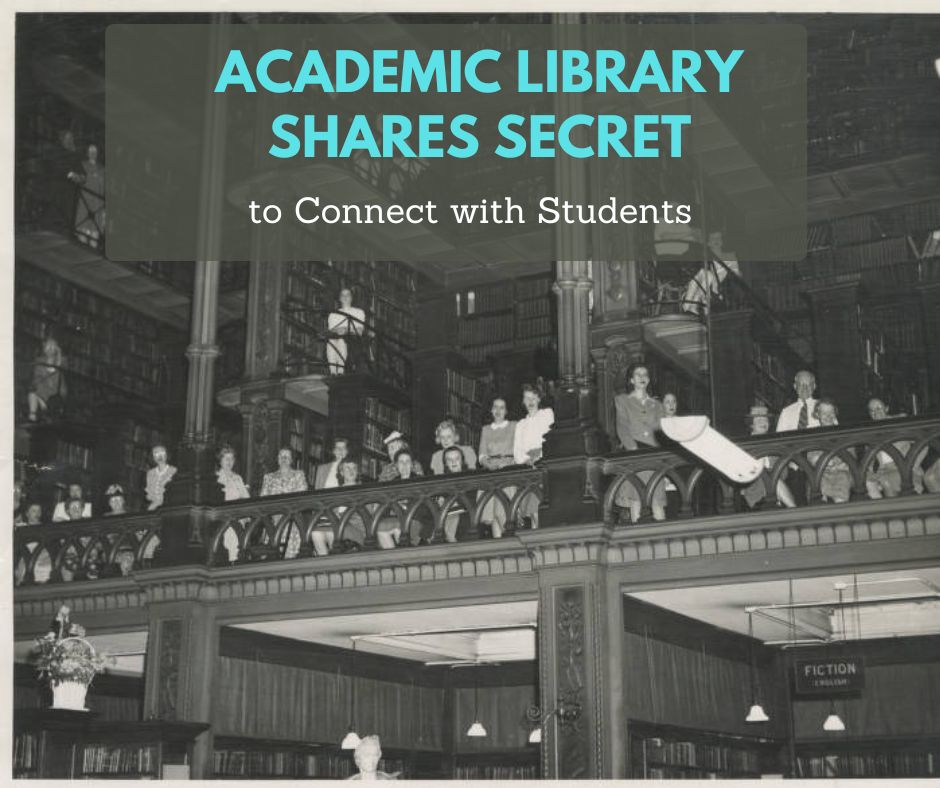
Lauren Tolman learned to read when she was just three years old.
“Books have been part of my life since I was little,” she explains. “My family made weekly trips to our local public library. I tore through Arthur, The Baby-sitters Club, Little House (on the Prairie), and any series I could get my hands on.”
“As a kid, my dream job swung between ‘mermaid’ and ‘librarian.’ The librarians at my local branch sat at this big wooden desk surrounded by paperback spinner racks, and they’d read to kids on carpeted risers. I visited the library again thirty years later… the same desk, the same brown carpet, the same happy library noise.”
Lauren’s first library job was as a shelver. In her 20+ year career, she’s been a page, a story time performer, a clerk, a children’s librarian, and a supervisor. Now, she’s the Communications Specialist in the Marketing Department at Utah Valley University’s Fulton Library.
Lauren and two other staff members market the library to the school’s 47,000 students. Lauren supervises the department full-time and handles project management, social media, and campus outreach. Her work is complemented by a part-time graphic designer and a part-time copywriter.
Lauren says the most effective channel for reaching her audience is Instagram. The library appears to have a formula down that works well for their audience. All the videos are short-form with a healthy dose of humor.
The library is also really, really good at putting its own, unique twist on trends, as they did for this video. (You will remember when this song was all the rage on Instagram and TikTok videos!)
And this is an absolutely memorable video to help students remember citation styles!
But beyond social media, Lauren and her staff have other ways to reach students on campus.
“Our staff is our best ‘channel,’” shares Lauren. “They talk with students constantly through instruction sessions, resource fairs, research help, circulation desk interactions, etc.”
“Students love seeing other students in marketing. We also work with peer mentors, ambassadors, and other student leaders who help share our posts or pass along information to their programs.”
Recently, Lauren and her team worked through a library campaign refresh with new branding, colors, iconography, and more, called “Find It at the Fulton Library.”
“We aim for a new brand campaign every 3-4 years to keep our image fresh and current for our students,” explains Lauren. “The process can take 6-9 months, as we work with our campus marketing, communications, and photography departments to produce all the materials.”
“They help us with concepts and developing a brand kit with colors, fonts, and more to help maintain a consistent look among all of our deliverables. They also help us with student lifestyle photoshoots, giving us a high-quality photo library to use throughout the next couple of years.”
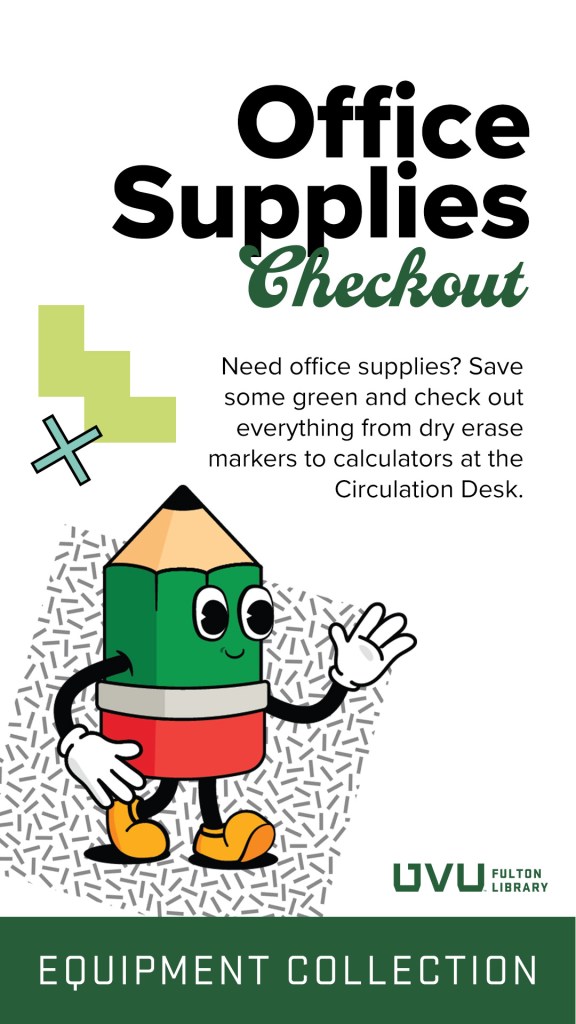
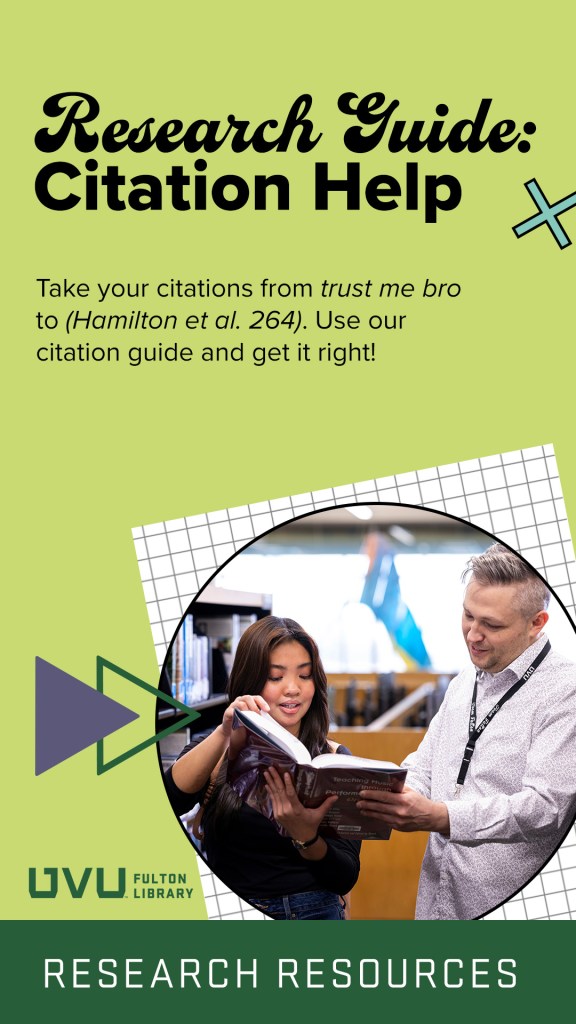
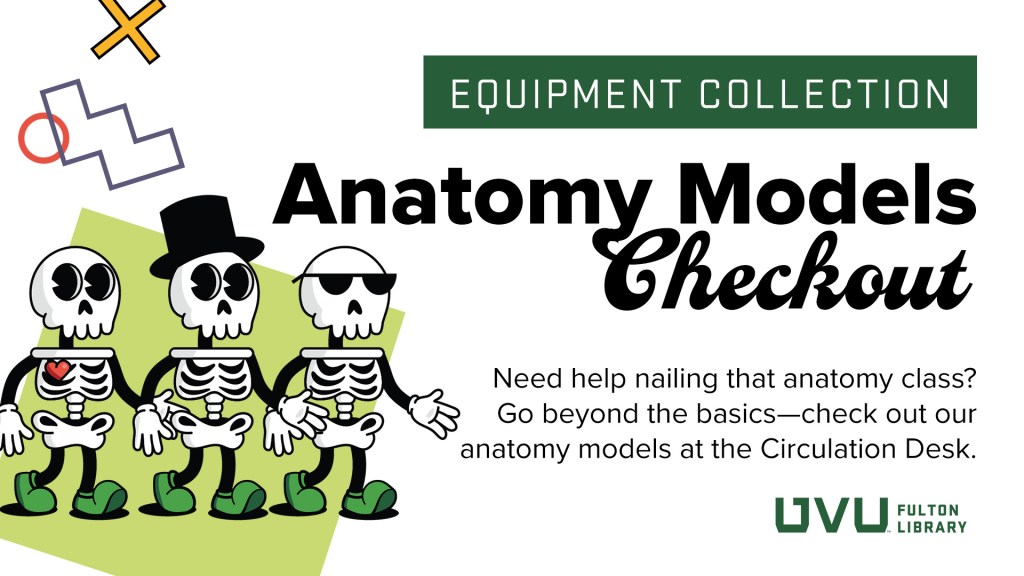
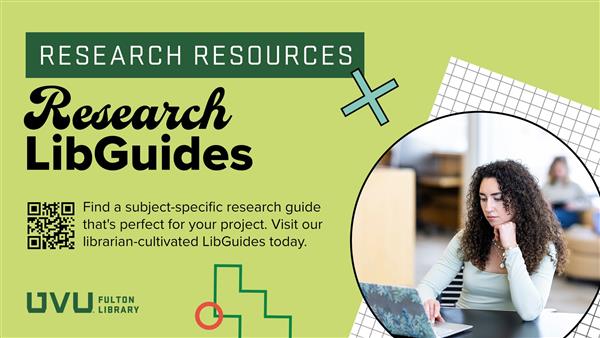
As you can see, this new brand has a vintage feel, while being fresh and colorful.
But not everything is all fun and games for an academic library looking for promotional success. Like most library marketers, there have been times when the strategiesy Lauren has tried just didn’t land with her audience.
“I will say I’ve had many disappointments where social media posts or Reels get low engagement,” explains Lauren. “It always seems to be the ones that are really informative or take forever to make that turn out to have the lowest interactions. That can be frustrating, but I try to learn from it. If even one student is helped by the content, that’s great. And there are always other channels to try to share that information!”
To that end, Lauren has some advice for libraries of all sizes and types when it comes to marketing.
“Get to know your audience, what they care about, where they hang out, what they struggle with. Lead with approachability and benefits. Our audience likes to feel seen and have their problems solved.”
“Track your results, even informally. This will help you figure out your strengths and weaknesses, and the direction your content should go. And don’t be afraid to experiment with types of content, even the casual kind. While we keep our language kind and professional, students love it when we go a little unhinged or use pop culture references in our content.”
Want more help?
From Shelves to Screens: How an Academic Librarian Captures Student Narratives for Library Marketing
Subscribe to this blog, and you’ll receive an email whenever I post. To do that, enter your email address and click on the “Follow” button in the lower left-hand corner of the page. You can also follow me on the following social media platforms:


 Super Library Marketing: Practical Tips and Ideas for Library Promotion