Search

Super Library Marketing: Practical Tips and Ideas for Library Promotion

Tag

instagram

Library Marketing Case Study: How UVUโ€™s Fulton Library Connects with 47,000 Students

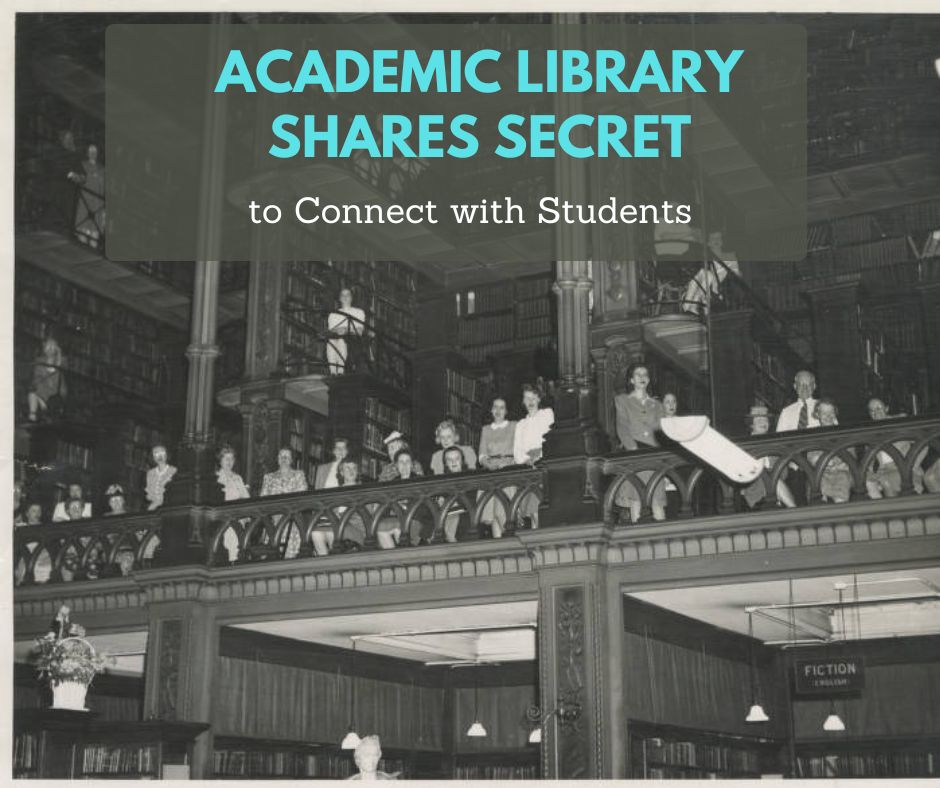
Black-and-white photo of a large, historic   library interior with multiple balcony levels filled with students looking down. Overlaid text reads, โ€œAcademic Library Shares Secret to Connect with Students.โ€
Photo courtesy Cincinnati & Hamilton County Public Library

Lauren Tolman learned to read when she was just three years old.

โ€œBooks have been part of my life since I was little,โ€ she explains. โ€œMy family made weekly trips to our local public library. I tore through Arthur, The Baby-sitters Club, Little House (on the Prairie), and any series I could get my hands on.โ€

โ€œAs a kid, my dream job swung between โ€˜mermaidโ€™ and โ€˜librarian.โ€™ The librarians at my local branch sat at this big wooden desk surrounded by paperback spinner racks, and theyโ€™d read to kids on carpeted risers. I visited the library again thirty years laterโ€ฆ the same desk, the same brown carpet, the same happy library noise.โ€

Laurenโ€™s first library job was as a shelver. In her 20+ year career, sheโ€™s been a page, a story time performer, a clerk, a children’s librarian, and a supervisor. Now, sheโ€™s the Communications Specialist in the Marketing Department at Utah Valley Universityโ€™s Fulton Library.ย 

Lauren and two other staff members market the library to the schoolโ€™s 47,000 students. Lauren supervises the department full-time and handles project management, social media, and campus outreach. Her work is complemented by a part-time graphic designer and a part-time copywriter.ย ย ย 

Lauren says the most effective channel for reaching her audience is Instagram. The library appears to have a formula down that works well for their audience. All the videos are short-form with a healthy dose of humor.

The library is also really, really good at putting its own, unique twist on trends, as they did for this video. (You will remember when this song was all the rage on Instagram and TikTok videos!)

And this is an absolutely memorable video to help students remember citation styles!

But beyond social media, Lauren and her staff have other ways to reach students on campus. 

โ€œOur staff is our best โ€˜channel,โ€™โ€ shares Lauren. โ€œThey talk with students constantly through instruction sessions, resource fairs, research help, circulation desk interactions, etc.โ€

โ€œStudents love seeing other students in marketing. We also work with peer mentors, ambassadors, and other student leaders who help share our posts or pass along information to their programs.โ€ย 

Recently, Lauren and her team worked through a library campaign refresh with new branding, colors, iconography, and more, called โ€œFind It at the Fulton Library.โ€

โ€œWe aim for a new brand campaign every 3-4 years to keep our image fresh and current for our students,โ€ explains Lauren. โ€œThe process can take 6-9 months, as we work with our campus marketing, communications, and photography departments to produce all the materials.”

“They help us with concepts and developing a brand kit with colors, fonts, and more to help maintain a consistent look among all of our deliverables. They also help us with student lifestyle photoshoots, giving us a high-quality photo library to use throughout the next couple of years.”
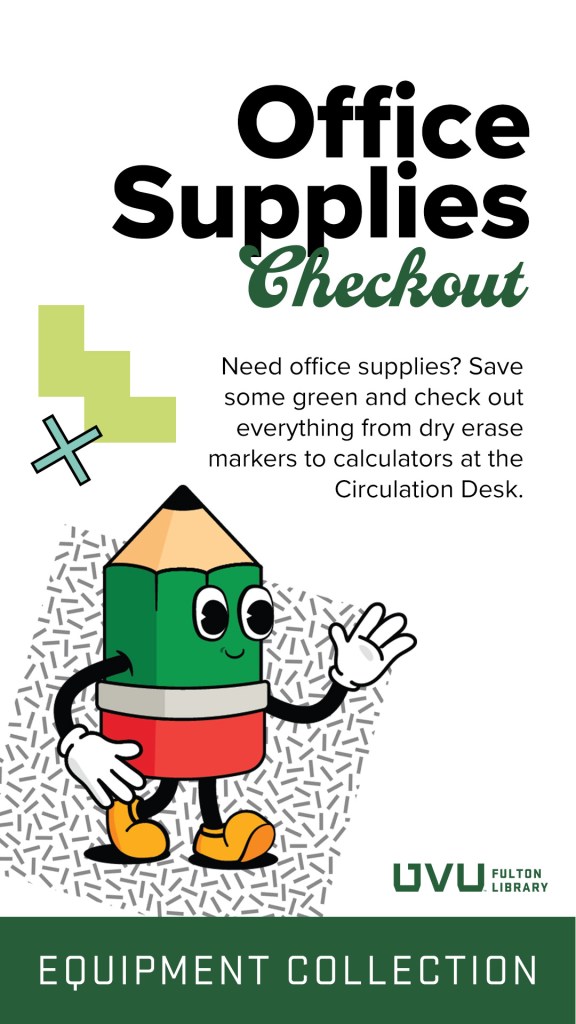
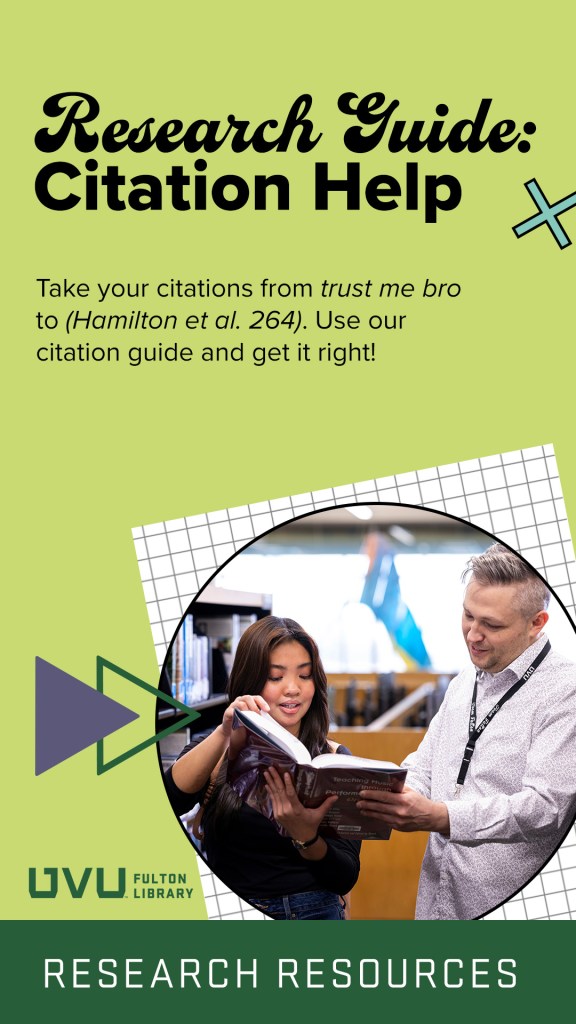
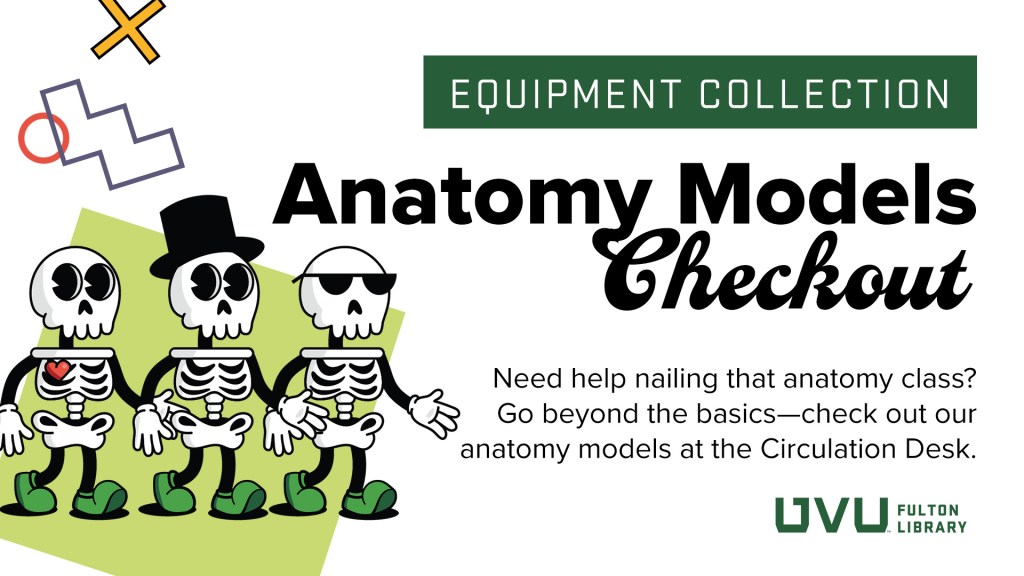
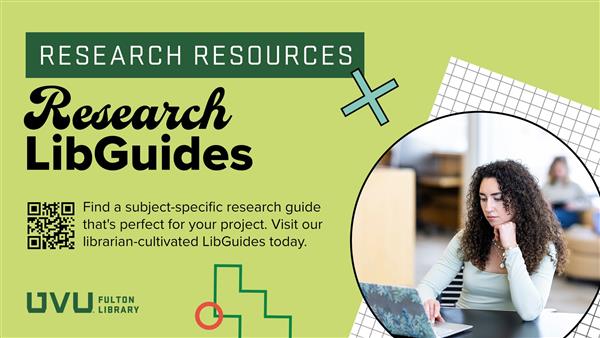
As you can see, this new brand has a vintage feel, while being fresh and colorful.

But not everything is all fun and games for an academic library looking for promotional success. Like most library marketers, there have been times when the strategiesy Lauren has tried just didnโ€™t land with her audience.ย 

โ€œI will say Iโ€™ve had many disappointments where social media posts or Reels get low engagement,โ€ explains Lauren. โ€œIt always seems to be the ones that are really informative or take forever to make that turn out to have the lowest interactions. That can be frustrating, but I try to learn from it. If even one student is helped by the content, thatโ€™s great. And there are always other channels to try to share that information!โ€

To that end, Lauren has some advice for libraries of all sizes and types when it comes to marketing. 

โ€œGet to know your audience, what they care about, where they hang out, what they struggle with. Lead with approachability and benefits. Our audience likes to feel seen and have their problems solved.”

“Track your results, even informally. This will help you figure out your strengths and weaknesses, and the direction your content should go. And donโ€™t be afraid to experiment with types of content, even the casual kind. While we keep our language kind and professional, students love it when we go a little unhinged or use pop culture references in our content.โ€


Want more help?

From Shelves to Screens: How an Academic Librarian Captures Student Narratives for Libraryย Marketing

Subscribe to this blog, and youโ€™ll receive an email whenever I post. To do that, enter your email address and click on the โ€œFollowโ€ button in the lower left-hand corner of the page. You can also follow me on the following social media platforms:

The 2026 Guide to Instagram for Libraries: New, Creative Ways to Grow Engagement

Photo courtesy Cincinnati and Hamilton County Public Library

This is part of the 2026 series of library social media guides. In addition to this post, be sure to bookmark these new guides:

Next week, I’ll wrap up the series with tips for Facebook.

Instagram for libraries

According to the 2025 Super Library Marketing survey, 93 percent of libraries say they post to Instagram, making it the second-most-popular social media platform for library marketing. However, the number of libraries using Instagram dropped by 5 percentage points in 2025.

I have a few guesses as to why this happened:

  • Some libraries faced privacy concerns about using Meta-owned platforms.
  • Instagram’s increasing emphasis on paid ads makes it difficult for libraries to reach their community organically.
  • Budget cuts mean fewer staff, which may have led some libraries to scale back their Instagram use.
  • The inability to insert links into posts remains a major downside for Instagram users.

How are people using Instagram right now?

Here are some statistics from Backlinko, Teleprompter, and Digiexe.

  • Instagram is the most popular app for 18-24-year-olds, a key demographic for libraries.
  • The average Instagram user now spends 33 minutes a day on the platform. But, for 18-24 year olds, the average time spent on Instagram per day is much higher, atย 53 minutes per day.
  • 90 percent of Instagram users watch Reels.
  • Instagram users remain evenly split by gender.

How much success can libraries expect to see on Instagram?

  • Reels: The average engagement rate is 2.46 percent, according to Sprout Social.
  • Carousel posts: According to Social Media Today, the average engagement rate is 2.4 percent.
  • Stories: Stories are shown to existing followers, so they’re not a tool for discovery. It’s difficult to get Instagram to give up engagement rates for Stories. However, Sprout Social says the average engagement rate is generally lower than for other types of content, at 0.8 to 1.2 percent.

The Instagram algorithm for 2026

Here are the updated Instagram ranking signals according to Sprout Social. Note: Nearly ALL the Reels ranking signals have changed in the last year. Also, Instagram now uses the same ranking signals for the Feed and Stories. That’s a huge change. (Gotta love social media!)

Instagram Reels Ranking Signals

  • Engagement velocity: The more likes, comments, and shares you can get on your video within the first hour of posting, the more reach you’ll get.
  • Completion rate: The more people watch your Reel all the way through, the more reach you’ll get.
  • Audio trends: Using trending audio will increase your reach.
  • Content quality: Edit your Reels in an app like Edits to post without a watermark. Never repost your TikTok videos directly from TikTok to Reels. Doing so will suppress your reach.
  • Consistency: The algorithm rewards accounts that post regularly.

Instagram Feed and Instagram Stories Ranking Signals

  • Content popularity: Instagram will reward you for getting engagement quickly, for tagging other people or organizations, for tagging the location, and for the timeliness of the post. However, here’s something to consider: Instagram tries to avoid showing too many people from one account to users in a row. So, that means you don’t want to post too often on Instagram!
  • Relationship: The algorithm will show you feed posts and stories to people who normally engage with your content first. The more your followers interact with the post, the more often they’ll see your content and the more reach you’ll get outside your library followers.
  • Behavior: Instagram tries to predict how likely someone is to spend time reading your post, commenting, liking, resharing, or tapping on your library’s profile picture for more information.

4 ways to get the best organic reach for your library’s Instagram account in 2026

#1: Lean into searchability.

Instagram is increasingly functioning like a search engine. Users, especially younger users, will use the search bar to find what they need, like “cozy books for winter reading” or “family activities near me.” Here’s how to make sure your library’s content gets seen:

  • Write captions using natural language. Think about how you would say what you want to say if the person were standing in front of you at the desk. For example, “Looking for cozy books for winter reading? Here are our five favorites!” Try to avoid stuffing your captions with keywords.
  • Use alt text for accessibility and to optimize search results. For feed posts and Reels, you’ll find the alt text box under “Advanced Settings”. You cannot add alt text to Stories unless you add it straight to the screen using captions or a text overlay.
  • Add the location tag to every post.
  • Be super strategic with hashtags. Use 3-5 relevant ones, such as #WinterReading #CozyBooks #PinetreeLibrary

#2: Prioritize video, but be strategic about it.

Reels are a priority for Instagram, so they need to be one for you, too! However, the algorithm doesn’t care as much about how many videos you post. It favors watch time and completion rates.

To boost your videos, you should:

  • Keep your Reels under 30 seconds to boost completion rates.
  • Add captions and on-screen text for accessibility and silent viewing.
  • Use trending audio when appropriate.
  • End with a call to action asking viewers to “Save this Reel for your next visit to the library!

#3: Post when your audience is active.

This year, timing will be critical because the algorithm prioritizes newer content. You’ll want to:

  • Use your insights and check often to find the peak engagement time for your account. Then, schedule your posts during those windows.
  • Post to Stories right before your scheduled feed or Reels posts to keep your account active and visible.
  • Share your feed or Reels post to your Stories once it’s live to ensure your followers see it and engage with it, which will boost your reach.

#4: Have fun with interactive micro-content.

The Instagram algorithm favors interaction signals because they indicate that people are interested in your content. To help boost this signal, you can:

  • Add polls, quizzes, and emoji sliders in Stories.
  • Use carousel posts with prompts to swipe through all the pictures to get to something exciting at the end of the carousel.
  • Ask questions to encourage commenting.

When to post on Instagram

According to Sprout Social, the average best time to post to Instagram is between 9 a.m. and 1 p.m. local time. But as always, check the insights on your libraryโ€™s account. Post when you notice your followers are engaging most often with your content.

And remember that being consistent is key. Pick a schedule that your library staff can stick to.


P.S. Want more help?

The Secret to Library Instagram Success? Start With the Story, Not the Promo

Subscribe to this blog, and youโ€™ll receive an email whenever I post. You can also follow me on the following social media platforms:

Stop Scrolling! ๐Ÿ›‘ Try These 5 Library Marketing Tips From Meta for the Holiday Season

Watch this video now

#LibraryMarketingShow, episode 315

Every year, Meta releases its Holiday Playbook. It’s full of strategies designed to boost engagement and sales. And while weโ€™re not selling anything at our libraries, many of these ideas translate really well to the work we are doing!

In this episode of The Library Marketing Show, I pulled out five practical tips from the playbook that you can start using right away on Facebook and Instagram.

Plus, discover how one library’s short-form video garnered over one million views!

Do you have a suggestion for a future episode’s topic? Do you want to nominate someone for kudos? Let me know here.

Thanks for watching!โ€‚

P.S.: If you wish, you may download a transcript of this episode.


Miss the last episode? No worries!

Subscribe to this blog, and youโ€™ll receive an email whenever I post. You can also follow me on the following social media platforms:

Simple Tips for Keeping Up With Library Marketing Trends (Without Losing Your Mind!)

Watch this video now

#LibraryMarketingShow, episode 314

FYI: The Super Library Marketing Guide to Social Media in 2026 launches on November 17. Be sure to sign up for emails so you don’t miss a single section.

Does it ever feel like youโ€™re chasing every new marketing trend that pops up? ๐Ÿฟ๏ธ

New platforms, new tools, changing audience habits โ€” it never ends! But hereโ€™s the good news: you donโ€™t have to chase every shiny thing to be an effective library marketer.

In this weekโ€™s episode of The Library Marketing Show, Iโ€™ll show you how to stay focused, strategic, and ahead of the curve, without losing your mind.

Do you have a suggestion for a future episode’s topic? Do you want to nominate someone for kudos? Let me knowย here.

Thanks for watching!โ€‚

P.S.: If you wish, you may download a transcript of this episode.


Miss the last episode? No worries!

Subscribe to this blog, and youโ€™ll receive an email whenever I post. You can also follow me on the following social media platforms:

Are You Ready? 2026 Social Media Predictions Every Library Marketer Needs To Know!

Watch this video now

#LibraryMarketingShow, episode 313

Weโ€™re just eight weeks away from a brand-new year, which means itโ€™s officially prediction season!

Every marketing guru seems to have a list of whatโ€™s coming next, but donโ€™t worry โ€” I did the homework for you. I went through 36 predictions for social media in 2026, and in this episode of The Library Marketing Show, Iโ€™m breaking down the top five that actually matter for libraries.

FYI: The Super Library Marketing Guide to Social Media in 2026 launches on November 17. Be sure to sign up for emails so you don’t miss a single section.

Plus, I received a kudos nomination for more than a dozen libraries that collaborated on a huge project. You’ll want to hear about that.

Do you have a suggestion for a future episode’s topic? Do you want to nominate someone for kudos? Let me know here.

Thanks for watching!โ€‚

P.S.: If you wish, you may download a transcript of this episode.


Miss the last episode? No worries!

Subscribe to this blog, and youโ€™ll receive an email whenever I post. You can also follow me on the following social media platforms:

Should You Start an Instagram Account at Your Library Just for Teens? Hereโ€™s the Pros and Cons List.

Watch this video now

#LibraryMarketingShow, episode 293

A viewer wants to know if her library should have a separate Instagram account for her teenage audience. It’s a great question!

I’m going to share some pros and cons. And spoiler alert… my “cons” list is longer than the “pros” list… in this episode of The Library Marketing Show.

Plus, I’ll give kudos to a library that took a popular meme and made a funny and effective social media post relevant to their audience.

Do you have a suggestion for a future episode’s topic? Do you want to nominate someone for kudos? Let me knowย here. Thanks for watching!โ€‚

P.S.: If you wish, you may download a transcript of this episode.


Miss the last episode? No worries!

Will I see you soon?

Subscribe to this blog, and youโ€™ll receive an email whenever I post. To do that, enter your email address. Then, click the โ€œFollowโ€ button in the lower left-hand corner of the page. You can also follow me on the following social media platforms:

From Shelves to Screens: How an Academic Librarian Captures Student Narratives for Library Marketing

Photo courtesy Cincinnati and Hamilton County Public Library

If youโ€™ve spent any time in the library marketing space, you are likely to know John Jackson. John is head of Outreach and Engagement at the William H. Hannon Library at Loyola Marymount University. His love of libraries started with his motherโ€™s volunteer work.

โ€œMy mother volunteered in a small church library in Florida,โ€ recalls John. โ€œAs a child, I often spent my weekends helping build book displays or checking out materials to patrons. I knew about OCLC (Online Computer Library Center) and bib records before the age of 12.โ€

โ€œOne of my favorite memories from that time is traveling with my mom annually to attend a regional conference for church librarians. Weโ€™d pack up a U-Haul full of library display materials and then recreate those displays at the conference.โ€

John landed a job with Loyola Marymount in 2015. The private R2 university has approximately 10,000 students, including those pursuing master’s and doctoral degrees. John says the university has a central marketing and communication unit, with employeesย who cover all areas of external relations work, including photography, graphic design, social media, and licensing.

โ€œAt the library, the outreach team is comprised of three full-time employees: me, a student engagement librarian, and an event manager,โ€ explains John. โ€œWe also have part-time student employees who assist with various aspects of our programming and outreach work.โ€

โ€œThe libraryโ€™s marketing support currently consists of me, a student graphic designer, a student social media assistant, and a student videographer. I should note here that marketing is only a portion of my job. Like most librarians, I wear many hats, including collection development, research support, and faculty liaison responsibilities.โ€

I reached out to John after seeing one of the videos from the Library Fans series, produced by his library. Links to the full series are at the end of this post.  

John says the idea came from a presentation on empathy-centered storytelling at the 2023 Library Marketing and Communications Conference and from the videos produced by the Los Angeles Public Library.

โ€œI wanted to create a series that told true stories of library users and did so using high-quality video production,โ€ explains John. โ€œMy goal was to promote the individual ways that students from diverse backgrounds (e.g., undergraduate, graduate, commuter, transfer, first-generation, parents) use the library in their day-to-day lives on campus.โ€

โ€œI also wanted to show, as a proof of concept, that high-quality video production was worth the investment of time and resources. This was also a way to celebrate and recognize some of our hardcore library users: the folks we see regularly in the building every day.โ€

-John Jackson

John says his team worked on the video series over one semester. They recruited students who were heavy users of the library and familiar faces in the building. They also asked library staff to solicit nominations.  

โ€œOur student videographer, John Mac Menamie, is an amazing cameraman and (thankfully for us) owned all his own equipment,โ€ says John. โ€œWe were incredibly lucky to hire him onto our team when he was a first-year student, and itโ€™s been amazing to watch his skill set grow over the years.โ€

โ€œFor each of the shoots, we preselected the location so our videographer could spend a few minutes setting up the camera and lighting before the โ€˜Library Fanโ€™ arrived. We sent prompts and guiding questions to our interviewees in advance to give them an idea of how the conversation would go, but we did not write a script for each interview.โ€

John used a trick that journalists often employ. He spent the first five to 10 minutes of the interview in small talk with his subject to help them feel more at ease. John says filming usually takes only 10 to 15 minutes. Then, depending on what the interviewee said, John and the videographer needed to shoot footage, known as B-roll, to match the narrative and cover the edits.

Once the videos are edited, John shares them on Instagram, knowing it is the preferred platform for his students. But heโ€™s also taking this opportunity to experiment on other platforms, like YouTube.

โ€œWe know from sources like Pew Research Center that usage of YouTube exceeds all other platforms among traditionally aged college students and in the next generation of 14โ€“17-year-olds,โ€ declares John. โ€œSo, Iโ€™m hoping to build up our content library there. We already have hundreds of tutorials and event recordings on YouTube, but the Library Fans videos are our first attempts at short form on the platform.โ€

โ€œMost academic libraries are not breaking records when it comes to social media. Weโ€™re not likely to ever be the next Milwaukee Public Library. Because our primary target audience (currently enrolled students) is limited and has a churn rate of more than 25 percent every year at graduation, our socials will not grow over time. So traditional growth metrics like followers, likes, and view counts donโ€™t mean as much to me.โ€

โ€œI tend to focus on the metrics like watch time, sentiment analysis of comments, and sends or reach. Those are the measures that will answer the question, โ€˜Did this hit right?โ€™”

-John Jackson

“If I want to get the word out about the library, I rely on email marketing. But if I want to โ€˜set the vibeโ€™ for the library among our students, Instagram, and in particular Reels, is where I spend my time.โ€

The libraryโ€™s videos have performed exceptionally well. As of mid-May, the series has received more than 13,000 views, accounting for 26 hours of watch time. Thatโ€™s incredible! Now, John has plans to use some of the video content for other promotions.

โ€œBecause these videos are already so short, I havenโ€™t been pulling soundbites for stand-alone marketing assets,โ€ explains John. โ€œHowever, I expect Iโ€™ll be using pieces of these videos in future promotional videos: New student orientation videos, for example.โ€

John says his first piece of advice for any library looking to replicate his success is to buy its own equipment.

โ€œOur videographer graduates this year, and with him goes the camera he used to make these videos,โ€ laments John. โ€œI should have done that from the start, and now I am in the unfortunate situation of having to find funding for our own equipment before the next school year begins.โ€

John finds inspiration for his work from many different organizations.

โ€œIn the realm of video production, Los Angeles Public Library, The Getty, and the Huntington are my go-to sources for inspiration,โ€ shares John. โ€œFor content motivation, I love what Utah Valley Universityโ€™s Fulton Library, the University of California, Santa Barbara Libraries, and the J. Willard Marriott Library at the University of Utah are doing. For inspiration more generally, I read Rachel Kartenโ€™s Link in Bio religiously as well as Meghan Kowalskiโ€™s Content Prompt newsletter.โ€

Watch the full Library Fans series


Need more inspiration?

Ensure Your Digital Library Marketing Passes Accessibility Tests: Expertโ€™s Urgent Advice

Subscribe to this blog, and youโ€™ll receive an email whenever I post. To do that, enter your email address and click on the โ€œFollowโ€ button in the lower left-hand corner of the page. You can also follow me on the following social media platforms:

How To Reach New Cardholders: 4 Cost-Free Tips for Success๐Ÿ’ฒ

Watch this video now

#LibraryMarketingShow, episode 287

If your library is having trouble getting new cardholders and you want to attract more people but don’t have any money, what do you do? In this episode of the Library Marketing Show, I’ve got four tips for you!

Plus, we’ll do kudos but with a twist. This shout-out goes to a podcast and all the librarians who have appeared on it.

Do you have a suggestion for a topic for a future episode? Do you want to nominate someone for kudos? Let me know here. Thanks for watching!โ€‚

P.S.: If you wish, you may download a transcript of this episode.


Miss the last episode? No worries!

Will I see you soon?

Subscribe to this blog, and youโ€™ll receive an email whenever I post. To do that, enter your email address. Then, click the โ€œFollowโ€ button in the lower left-hand corner of the page. You can also follow me on the following social media platforms:

A WordPress.com Website.

Up ↑