Search

Super Library Marketing: Practical Tips and Ideas for Library Promotion

Tag

library marketing advice

What Branding Really Means in a Library (And Why Most Libraries Get It Wrong)

A black-and-white photo of a historic library reading room with long wooden tables, chairs, and bookshelves lining the walls. Desk lamps sit along the tables, and a few people are visible in the background. Overlaid on the image is a translucent box with the text: โ€œWhat Is LIBRARY BRANDING?โ€ with โ€œLibrary Brandingโ€ highlighted in yellow.
Photo courtesy Cincinnati & Hamilton County Public Library

When most libraries talk about branding, theyโ€™re really talking about logos, colors, and templates.

But branding isnโ€™t only what your materials look like.

Itโ€™s how your library feels to the people you serve.

And that experience doesnโ€™t center only on the work that your communications staff does. It comes from every single staff member. This is especially true for small or rural libraries and for large metro libraries. 

A solid library brand will define your library in a crowded world. Itโ€™s the thing that makes people say, โ€œI love my library.โ€

But many libraries struggle with branding. When I asked, โ€œWhat do you need help with?โ€ in the State of Library Marketing survey, one of the most common answers was โ€œbranding.โ€

So, we’re going to tackle that! This is the first in a three-part series all about library branding.ย 

Branding Is Not a Logoย 

Weโ€™ll begin with this concept, because itโ€™s the root of the problem.

Branding is often confused with:

  • Your logo
  • Your color palette
  • Your graphic templates

Those things matter. But they are expressions of your brand, not the brand itself.

In fact, ย research into library branding shows that a libraryโ€™s brand encompasses multiple dimensions tied to user experience, perception, and emotional connection โ€” not just visuals.

That means your libraryโ€™s brand is shaped just as much by a storytime experience, a conversation at the circulation desk, the tone of a Facebook post, or signage in your building as it is by your logo.

Hereโ€™s the truth: Your library already has a brand! People in your community have an existing impression of your library. This is true even if youโ€™ve never written a brand guide, your graphics are inconsistent, and your co-workers all seem to do their own thing when it comes to library promotion.

So, youโ€™re not starting this journey from scratch.

Real Library Examples: When Branding Becomes Part of the Library Experience

One of the best examples of true library branding is the transformation of Rangeview Library District into Anythink Libraries.

Here’s what happened: The Rangeview Library District was considered by its community to be old-fashioned, small, and unappealing. In 2009, as part of its renewed branding efforts, the District changed the names of its libraries to Anythink libraries.

But the library did more than a name and logo change. They renamed every branch. The changed staff job titles to include โ€œConciergeโ€ and โ€œGuide.โ€ They reframed the entire library experience around creativity and curiosity.

It was a complete alignment of experience, language, and culture. And it worked.

The rebranding led to higher circulation and visitor numbers. The system was able to connect with users and pass a levy, which helped them build or renovate libraries. And they were awarded a national Medal for Museum and Library Service.ย ย ย 

My own library, the Cincinnati & Hamilton County Public Library, also went through a rebrand in the last five years. While our name change is not as significant (previously, we were The Public Library of Cincinnati and Hamilton County), we are transforming our connection to the community.

Yes, we created a completely new visual palette. But the core of our new branding is focused on our beliefs, which every library staff member is committed to living out through their work. Our beliefs are:

  • Empathy: We believe in everyoneโ€™s innate value and potential.
  • Enjoyment: We believe there is no prescribed path to knowledge, so why not make the journey fun?
  • Connection: We believe we got farther, together.
  • Community: We believe libraries are incubators of community.

That defined focus on those four beliefs is strengthening the connection our library has to the community, elected officials, and donors. Thatโ€™s the power of branding.

Many libraries have also leaned into branding through physical experience and design. In fact, studies show that libraries are increasingly positioned as community hubs and cultural spaces, with branding tied to how people use and feel in the space, not just what they see.

Branding encompasses everything. The building, the programming, the atmosphere โ€” all of it contributes to the brand.

Where Most Libraries Go Wrong

Most libraries donโ€™t have a branding problem. They have a disconnect problem.

It usually looks like this:

  • Marketing creates one type of message
  • Youth services create another
  • Branches design their own flyers
  • Social media has a completely different tone

This creates a fragmented experience. And from a patronโ€™s perspective, it feels like interacting with multiple different organizations instead of one library system.

So What Is Library Branding?

Hereโ€™s the simplest, most useful definition I can give you:

Your libraryโ€™s brand is the consistent experience people have every time they interact with you.

Branding is not owned by the marketing department. Branding is created by the entire staff.

That means every flyer, every conversation, every program description, every social media post is either strengthening your brand or weakening it.

Coming Next

In the next post on April 27, weโ€™re going to tackle the biggest challenge libraries face when it comes to branding:ย 

How do you actually get an entire library system to act like one brand?

Meanwhile, if your library has worked on branding, Iโ€™d love to hear what worked, what didnโ€™t, and where your staff struggled. You can let me know by commenting below or by emailing me.


Want more help?

Boost Your Biggest Supporters: Branding and Marketing Advice for Your Friends of the Libraryย Group

Subscribe to this blog, and youโ€™ll receive an email whenever I post. To do that, enter your email address and click on the โ€œFollowโ€ button in the lower left-hand corner of the page. You can also follow me on the following social media platforms:
Library Marketing Case Study: How UVUโ€™s Fulton Library Connects with 47,000 Students

Black-and-white photo of a large, historic   library interior with multiple balcony levels filled with students looking down. Overlaid text reads, โ€œAcademic Library Shares Secret to Connect with Students.โ€
Photo courtesy Cincinnati & Hamilton County Public Library

Lauren Tolman learned to read when she was just three years old.

โ€œBooks have been part of my life since I was little,โ€ she explains. โ€œMy family made weekly trips to our local public library. I tore through Arthur, The Baby-sitters Club, Little House (on the Prairie), and any series I could get my hands on.โ€

โ€œAs a kid, my dream job swung between โ€˜mermaidโ€™ and โ€˜librarian.โ€™ The librarians at my local branch sat at this big wooden desk surrounded by paperback spinner racks, and theyโ€™d read to kids on carpeted risers. I visited the library again thirty years laterโ€ฆ the same desk, the same brown carpet, the same happy library noise.โ€

Laurenโ€™s first library job was as a shelver. In her 20+ year career, sheโ€™s been a page, a story time performer, a clerk, a children’s librarian, and a supervisor. Now, sheโ€™s the Communications Specialist in the Marketing Department at Utah Valley Universityโ€™s Fulton Library.ย 

Lauren and two other staff members market the library to the schoolโ€™s 47,000 students. Lauren supervises the department full-time and handles project management, social media, and campus outreach. Her work is complemented by a part-time graphic designer and a part-time copywriter.ย ย ย 

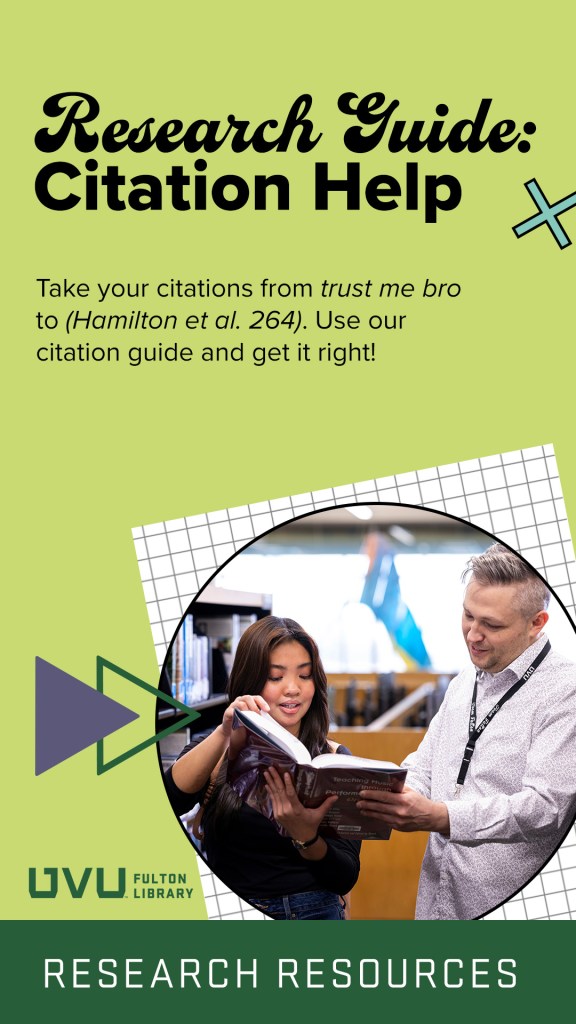
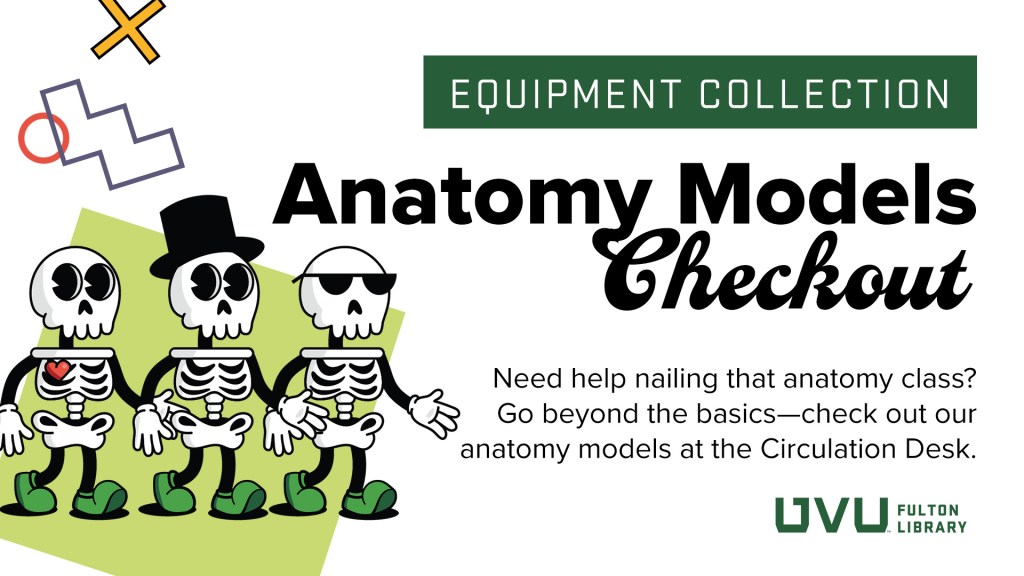
Lauren says the most effective channel for reaching her audience is Instagram. The library appears to have a formula down that works well for their audience. All the videos are short-form with a healthy dose of humor.

The library is also really, really good at putting its own, unique twist on trends, as they did for this video. (You will remember when this song was all the rage on Instagram and TikTok videos!)

And this is an absolutely memorable video to help students remember citation styles!

But beyond social media, Lauren and her staff have other ways to reach students on campus. 

โ€œOur staff is our best โ€˜channel,โ€™โ€ shares Lauren. โ€œThey talk with students constantly through instruction sessions, resource fairs, research help, circulation desk interactions, etc.โ€

โ€œStudents love seeing other students in marketing. We also work with peer mentors, ambassadors, and other student leaders who help share our posts or pass along information to their programs.โ€ย 

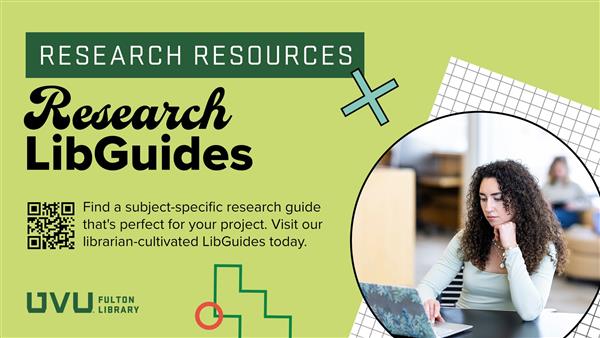
Recently, Lauren and her team worked through a library campaign refresh with new branding, colors, iconography, and more, called โ€œFind It at the Fulton Library.โ€

โ€œWe aim for a new brand campaign every 3-4 years to keep our image fresh and current for our students,โ€ explains Lauren. โ€œThe process can take 6-9 months, as we work with our campus marketing, communications, and photography departments to produce all the materials.”

“They help us with concepts and developing a brand kit with colors, fonts, and more to help maintain a consistent look among all of our deliverables. They also help us with student lifestyle photoshoots, giving us a high-quality photo library to use throughout the next couple of years.”

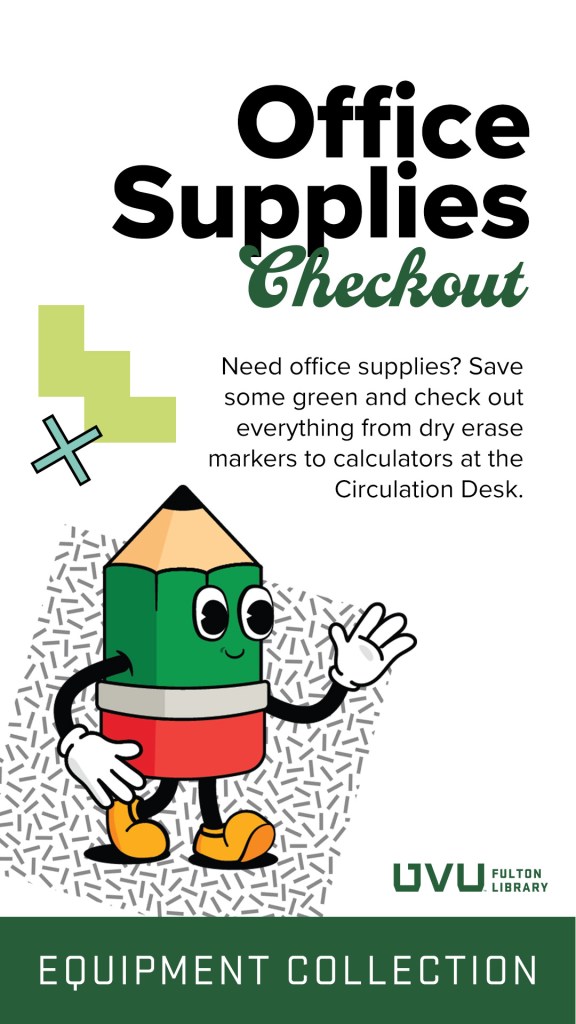
As you can see, this new brand has a vintage feel, while being fresh and colorful.

But not everything is all fun and games for an academic library looking for promotional success. Like most library marketers, there have been times when the strategiesy Lauren has tried just didnโ€™t land with her audience.ย 

โ€œI will say Iโ€™ve had many disappointments where social media posts or Reels get low engagement,โ€ explains Lauren. โ€œIt always seems to be the ones that are really informative or take forever to make that turn out to have the lowest interactions. That can be frustrating, but I try to learn from it. If even one student is helped by the content, thatโ€™s great. And there are always other channels to try to share that information!โ€

To that end, Lauren has some advice for libraries of all sizes and types when it comes to marketing. 

โ€œGet to know your audience, what they care about, where they hang out, what they struggle with. Lead with approachability and benefits. Our audience likes to feel seen and have their problems solved.”

“Track your results, even informally. This will help you figure out your strengths and weaknesses, and the direction your content should go. And donโ€™t be afraid to experiment with types of content, even the casual kind. While we keep our language kind and professional, students love it when we go a little unhinged or use pop culture references in our content.โ€


Want more help?

From Shelves to Screens: How an Academic Librarian Captures Student Narratives for Libraryย Marketing

Subscribe to this blog, and youโ€™ll receive an email whenever I post. To do that, enter your email address and click on the โ€œFollowโ€ button in the lower left-hand corner of the page. You can also follow me on the following social media platforms:
How to Get Library Staff Excited About Appearing in Short-Form Library Videos

Watch this video now

#LibraryMarketingShow, episode 326

Creating short-form videos is one of the best ways to reach your community. But… convincing colleagues to step in front of the camera is difficult!

If youโ€™re running into resistance โ€” or just quiet reluctance โ€” this episode is for you. I break down how to reframe video participation, build buy-in internally, and help staff feel confident instead of self-conscious on camera.

Plus, I’m giving kudos to a library that created a hilarious parody video with staff in the midst of a snowstorm!

Do you have a suggestion for a future episode’s topic? Do you want to nominate someone for kudos? Let me know here.

Thanks for watching!โ€‚

P.S.: If you wish, you may download a transcript of this episode.


Miss the last episode? No worries! Watch it now.

Subscribe to this blog, and youโ€™ll receive an email whenever I post. You can also follow me on the following social media platforms:

Big Gains, Bigger Lessons: Why One Library is Rebuilding Its Social Media Incentive Program After Huge Early Growth

A blackโ€‘andโ€‘white photograph of an ornate, multiโ€‘level library filled with towering bookshelves and balconies. In the upper left corner, a translucent teal box contains the text โ€œSocial Media Incentive:โ€ and below it, in white, โ€œLessons Learned.โ€
Photo courtesy Cincinnati and Hamilton County Public Library

Key Takeaways:

1. Hyperโ€‘local social media works but only with empowered staff. By giving staff autonomy to create content tailored to each branchโ€™s unique audience, the library sees more meaningful engagement than a oneโ€‘sizeโ€‘fitsโ€‘all strategy could ever provide.

2. Incentives can spark huge engagement if the program is simple. Joshโ€™s initial pointโ€‘based contest led to dramatic increases in reach, interactions, and followers at participating branches. But it also revealed the importance of designing challenges that align with staff capacity.

3. Start small, collaborate early, and refine as you go. Joshโ€™s biggest lesson: donโ€™t skip the research stage. Understanding staff time, motivations, and manager buyโ€‘in is essential.


Josh Mosey lives in the same town where he grew up: Middleville, Michigan.

โ€œMy older brother and I used to ride our bikes to the library in the summer when we were kids and take part in the summer reading program,โ€ remembers Josh. โ€œI wasnโ€™t as big a reader then, but I did enjoy the books on cassette tape that came with the physical books attached. When nothing new was available in that form, Iโ€™d pick a ‘Choose Your Own Adventure’ book, which I would read until one or two endings and call it good.โ€

โ€œI was a notorious cheater when it came to counting books for the summer reading challenge back then. Iโ€™m making up for it now by reading voraciously as a grownup.โ€

Josh can get plenty of books, thanks to his current job as part of the six-person Library Marketing and Communications team and the Kent District Library. KDL serves 440,000 residents in Kent County, MI, excluding the city of Grand Rapids and a couple of smaller municipalities on the north end of the county. The library consists of twenty branches, one express library, and a bookmobile.

Josh is responsible for email and social media marketing for KDL. And the social media part of his job involves working with 20 โ€œsocial media branch championsโ€. These are staff members appointed to create content and list events on their branchโ€™s Facebook page.

โ€œThe social media branch champions have been around for as long as each branch has had its own Facebook page,โ€ explains Josh. โ€œThey are chosen by that locationโ€™s manager as someone who either has time, interest, or expertise in that area. While I oversee the group, give tips, and create content they can use, the social media branch champions donโ€™t take orders from me.โ€

Josh says the goal of our social media branch champions is to engage with their community, cultivate relationships with community members who might come to their events in person, and reflect the things that make their communities unique.

โ€œSince the patrons at each branch can vary widely in interests and socioeconomic makeup, a one-size-fits-all mentality doesnโ€™t work for our branch pages,โ€ he says.

But this system has its challenges.

โ€œSkills and interests vary widely from branch to branch,โ€ explains Josh. โ€œMy graphic design background is borne out of the fact that my roommate in college was a graphic design major, and he let me play around on his computer with Photoshop. Iโ€™ve been able to do a lot with that over the years, but Iโ€™m a rarity among library staff members. Most folks have backgrounds in library science, literature, or education.โ€

โ€œAnd while we have a comprehensive brand guideline and Iโ€™ve given the team examples of what a well-designed image should look like, some folks just donโ€™t have the time, interest, or expertise to create on-brand, engaging content.โ€

And because this job likely falls under the โ€œother duties as assignedโ€ for many of the social media branch champions, they may not want to take on the frustrating job of posting to social media. So, Josh decided to incentivize social media work for this library.

โ€œThe incentives are based on best practices like consistent posting, interacting with local groups, sharing posts from the main KDL page, promoting branch events, and so on,โ€ explains Josh. โ€œEach of those activities is awarded a specific point value, and the points are calculated quarterly. At the end of each quarter, the branch with the most points wins a pizza party for their branch, a bookstore gift card for themselves, and temporary ownership of a goat trophy that says, โ€˜Youโ€™re the G.O.A.T.โ€™โ€

Josh says the incentives worked well… at first.

โ€œWhile some branches simply didnโ€™t have time to put their numbers in (or participate, really), the branches that took the competition seriously saw massive increases in followers, interaction, and post views and likes.”

For example, Josh says the first branch to win was the Alto Branch of KDL. The results were as follows:

  • Views increased by more than 356 percent.
  • Reach increased by 811 percent.
  • Content interactions increased 334 percent.
  • Link clicks increased by 1,400 percent.
  • Visits to the Alto Facebook page increased 51 percent.
  • Follows increased by nearly 191 percent.

That sounds like a great leap. But when Josh solicited feedback from the branch champions on the incentive program, he discovered that most felt participation was just one more thing they needed to squeeze into their already busy routines, especially in the summer and fall. So Josh is making some changes.

โ€œThe program is going to change from a cumbersome Excel spreadsheet into a simple, physical Bingo sheet with twenty-five challenges that a branch can do monthly,โ€ says Josh. โ€œThe more bingos a champion earns, the more chances theyโ€™ll have to win a prize. This should still get at the heart of what motivated the ones who participated while addressing the complexity of the previous version of the challenge for those who didnโ€™t do much with it.โ€

Josh has some candid advice for anyone considering a similar incentive program for staff.

โ€œI was too quick to go from the ideation phase into implementation,โ€ confesses Josh. โ€œI should have done a little more research into what my champions had time for and what exactly would motivate them.โ€

โ€œI would encourage libraries that want to do this to sit down with the folks who manage their libraryโ€™s social media presences, along with those folksโ€™ managers, to increase the level of buy-in at the beginning.โ€

โ€œAlso, simpler is better. I was trying to get my people to do all the right things from the beginning, but I probably should have started smaller by focusing on two or three things each month until everyone had some momentum going for a bigger training and competition event.โ€

And Josh has one more, unrelated piece of social media advice for libraries.

โ€œDonโ€™t give up on social media posts that use words,โ€ advises Josh. โ€œPhotos and videos are great, but itโ€™s okay to make basic, nice-looking posts with nothing but words on them. Itโ€™s been working for us since I started in my role four years ago, across all our platforms.โ€


Want more help?

When Should Libraries Jump on Social Mediaย Trends?

Subscribe to this blog, and youโ€™ll receive an email whenever I post. To do that, enter your email address and click on the โ€œFollowโ€ button in the lower left-hand corner of the page. You can also follow me on the following social media platforms:
The Real Difference Between Marketing and Promotion and Why It Matters for Your Libraryโ€™s Success

Watch this video now

#LibraryMarketingShow, episode 325

Are โ€œmarketingโ€ and โ€œpromotionโ€ the same thing? We say they areโ€ฆ but should we?

One of my readers challenged me to think more intentionally about our terminology, and it sent me down a fascinating rabbit hole.

In this episode of The Library Marketing Show, Iโ€™m making the case for why these words matter more than we think, and how rethinking them can change the way your library connects with your community.

Plus, I’m giving kudos to a library staff member who had a recent brush with fame for their work outside the library!

Do you have a suggestion for a future episode’s topic? Do you want to nominate someone for kudos? Let me know here.

Thanks for watching!โ€‚

P.S.: If you wish, you may download a transcript of this episode.


Miss the last episode? No worries! Watch it now.

Subscribe to this blog, and youโ€™ll receive an email whenever I post. You can also follow me on the following social media platforms:
When Should Libraries Jump on Social Media Trends?

Watch this video now

#LibraryMarketingShow, episode 324

Short-form video trends can help libraries reach new audiences… but only when theyโ€™re used at the right time.

In this episode of The Library Marketing Show, I explain how to recognize which trends are worth following, when to act quickly, and how to avoid content that feels clichรฉ.

Plus, I’ll share kudos for a library marketer whose promotional tactics bring new visitors from around the world (!) to his programs.

Do you have a suggestion for a future episode’s topic? Do you want to nominate someone for kudos? Let me know here.

Thanks for watching!โ€‚

P.S.: If you wish, you may download a transcript of this episode.


Miss the last episode? No worries! Watch it now.

Subscribe to this blog, and youโ€™ll receive an email whenever I post. You can also follow me on the following social media platforms:
Making Confident Library Marketing Recommendations to Leadership

Watch this video now

#LibraryMarketingShow, episode 323

Have you ever known exactly what your library should be doing but struggled to convince senior leadership to agree? Youโ€™re not alone.

In this episode of The Library Marketing Show, I respond to a viewer facing a tough leadership challenge and share tips for making the case to library leadership with confidence. Even if her situation isnโ€™t identical to yours, the lessons apply to anyone navigating library marketing decisions and internal buy-in.

Plus, we’ll give kudos to a library with a landing page on its website that you should add to yours!

Do you have a suggestion for a future episode’s topic? Do you want to nominate someone for kudos? Let me know here.

Thanks for watching!โ€‚

P.S.: If you wish, you may download a transcript of this episode.


Miss the last episode? No worries! Watch it now.

Subscribe to this blog, and youโ€™ll receive an email whenever I post. You can also follow me on the following social media platforms:
How Libraries Can Use Storytelling to Build Community Support (4 Practical Tips)

Black-and-white photo of a vintage library card catalog drawer pulled open, with rows of labeled drawers in the background. A translucent banner at the top reads โ€œSTORYTELLINGโ€ in yellow and โ€œFor Community Supportโ€ in white text.

My high school history teacher never assigned a textbook for class. Instead, every day, Mr. David Ulmer would pace back and forth in front of a room of students, explaining the events of the world in vivid detail as a story.

He would wildly gesticulate when the action got heated or dangerous, use voices to bring historical figures to life, and punctuate points with hilarious statements written on the chalkboard.

My classmates and I sat in rapt attention. We tried to take notes. But frankly, it was hard to tear your eyes away from Mr. Ulmer. We didnโ€™t want to miss a single detail.

No one failed tests in Mr. Ulmerโ€™s class. Thatโ€™s because his teaching method was storytelling. Rather than pushing a bunch of facts, figures, and details at us, he made historical events personal, vivid, and memorable. Everyone remembered the details.

Your library will have the same impact by including storytelling in your promotional strategy. ย 

โ€œPeople are looking for a connection.โ€ โ€”John Michael Morgan, Business Leadership Coach

Here are the four things you need to know to start incorporating storytelling into your library promotions.  

#1: You donโ€™t have to do all the work.

When a cardholder talks about the way your libraryโ€™s collection, programs, and services have impacted their lives, people will listen. Let your community share their story about their experience at the library.

One year during my time at the Cincinnati and Hamilton County Library, we sent an email to a target group of library users. We asked them to tell us why they loved the library. I thought maybe 25 people would respond. I was so very wrong.

We got more than 400 responses! Some people wrote a few sentences, and some wrote paragraphs. That one โ€œaskโ€ was a gold mine of storytelling for more than a year.

We contacted many of the responders later to ask them to elaborate on their stories on camera. We used those interviews for fundraising, blogs, and newsletter blurbs. We pulled some of their quotes and had our librarians read them on camera, which we shared during Library Workers Week and other big events.

We used some of those stories to lay the groundwork for a levy, which eventually passed. And we used stories on social media. That drove our organic engagement rates higher and made our other organic posts more effective.

Your community is eager to share testimonials with you. All you have to do is ask.

#2: You can gather stories every day.

Make it a practice at your library for front-line staff to be on the lookout for stories as they work โ€” not in a forced or formal way, but simply by noticing when a patron has a meaningful moment.

When those moments happen, give staff an easy way to jot down a sentence or two about what happened. And if they feel comfortable asking the patron directly, they can use simple language like, โ€œIโ€™m so glad we could help! Would you mind if we shared a little about this interaction? It helps other people discover what the library offers.โ€ Most patrons appreciate being asked

If you frame this work as optional and low-pressure, staff donโ€™t have to feel like theyโ€™re intruding. When I worked at the Cincinnati Library, I asked front-line staff to call me if they had an interaction with a patron that they thought would make a good story. One day, I got a call from a branch manager who said she just worked with a 12-year-old boy and his father, and they were willing to talk about their experience. That interaction led to this incredible video.

You can also ask volunteers, board members, and library friends groups to share their stories, as Deschutes Public Library did. These folks are often really passionate about their love for the library, and their stories will inspire others to volunteer, donate, and use the library.

#3: Stories donโ€™t have to be long or complicated.

Your library stories can be a few sentences, a few paragraphs, or a few pages. Thereโ€™s no formula for length. If youโ€™re not a confident writer, or your patron feels uncomfortable sharing in detail, you can still find a great story within a few sentences.

Jacksonville Public Library shared the story of a father who got his high school diploma with the help of the library. It’s less than 400 words, but it’s powerful.

#4: Your library can share stories everywhere you do promotions.

Start by including one story in each of the places where you normally promote your library.

For instance, if you send a monthly library newsletter, include a story. You donโ€™t have to delete any of the other things you normally promote in your newsletter. But slip a story into the mix.

Tease the story in your subject line to increase your open rates. A story will appeal to a wider audience. Once the subscriber opens your email and reads the story, they’ll be responsive to other promotional content in the email.

If your library has a blog, include at least one cardholder story on your blog every month, like Oak Park Library did with this extraordinarily moving piece. Your blog will grow in traffic and subscribers, which is good news for the other content you post.

One of the best places to share content marketing is in a video. And your subject doesnโ€™t even have to be human, as youโ€™ll see from this video by Broward County Library.

You can create a newsletter filled with stories. You can create a landing page on your website. You can share stories on your blog, on social media, in your videos, and in your print pieces.

โ€œIn a time of rapidly compounding technology generations, the most successful businesses will consistently deliver high touch to customer with one of our oldest traitsโ€”the telling of a story.โ€ โ€”Jim Blasingame, Small Business Advocate, Radio Show Host, Storyteller

One final note

As I was writing this blog, I came across this article by Martin Oโ€™Connor of University College Cork Library that I encourage you to read. Itโ€™s full of great tips on sharing the story of your library!

I also teach a course on library storytelling that is available as part of a Learn with NoveList Plus subscription or as a live or virtual session at library staff development days. You can contact me for more details.


PS: Want more help?

How Storytelling Is Revolutionizing One Libraryโ€™s Video Strategy

Subscribe to this blog, and youโ€™ll receive an email whenever I post. You can also follow me on the following social media platforms:
Metaโ€™s Next Move Could Hurt Libraries on Social Media! Here’s What We Know Right Now

Watch this video now

#LibraryMarketingShow, episode 322

As if social media wasnโ€™t already hard enough for libraries, Meta may be about to raise the difficulty level โ€” again.

A potential change is on the horizon that could significantly impact how libraries reach their communities on Facebook and Instagram. In this episode of The Library Marketing Show, we break down whatโ€™s coming, why it matters, and what libraries should be thinking about now so theyโ€™re not caught off guard later.

Plus, we have a kudos award that proves you can’t always plan for greatness!

Do you have a suggestion for a future episode’s topic? Do you want to nominate someone for kudos? Let me know here.

Thanks for watching!โ€‚

P.S.: If you wish, you may download a transcript of this episode.


Miss the last episode? No worries!

Subscribe to this blog, and youโ€™ll receive an email whenever I post. You can also follow me on the following social media platforms:
A WordPress.com Website.

Up ↑