Search

Super Library Marketing: Practical Tips and Ideas for Library Promotion

Tag

marketing for libraries

Is It Ever Okay to Hide Negative Comments on My Library’s Social Media Pages? How to Handle Trolls!

Watch Now

The Library Marketingโ€‹โ€‹โ€‹โ€‹โ€‹โ€‹โ€‹โ€‹ Show, Episode 142: In this episode, we’ll answer a viewer’s question.

Jennifer says her library has some followers that regularly comment on their posts, but never say anything positive. She wants to know how to handle those repeated negative commenters.

Kudos in this episode go to the Fremont Area District Library. Watch to see why they are being recognized.

Do you have a suggestion for a topic for a future episode? Want to nominate someone for kudos? Let me know in the comments. And subscribe to this series to get a new video tip for libraries each week.

Thanks for watching!


Subscribe to this blog and youโ€™ll receive an email every time I post. To do that, enter your email address and click on the โ€œFollowโ€ button in the lower left-hand corner of the page.

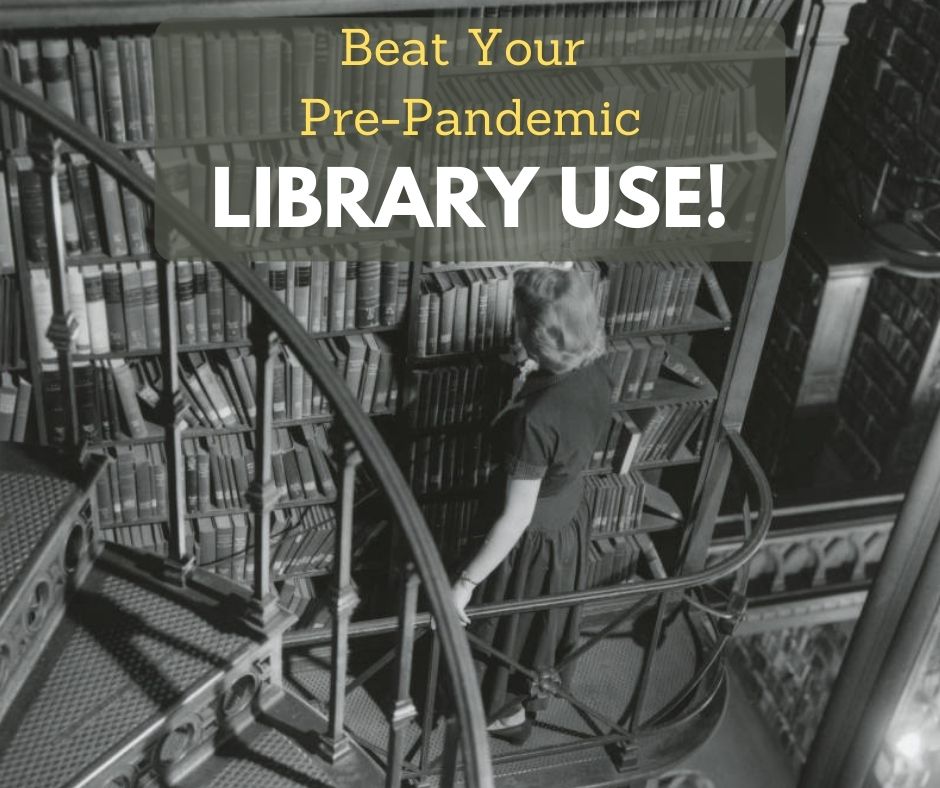
3 Promotional Goals to Re-engage Inactive Cardholders and Get Them to Use the Library MORE Than Before the Pandemic!

Photo courtesy Cincinnati and Hamilton County Public Library

Libraries spend a lot of time focused on getting people to sign up for a library card–particularly during summer. That’s a worthy promotional goal. Imagine how great the world would be if everyone had a library card!

But we often take our current cardholders for granted. We assume that once a person has gone through the trouble of signing up for a library card, they’ll use it.

The first reports on the exact statistical impact of the pandemic on library use will come out this fall. But I’m not willing to wait that long to address this issue. Every single library I work with tells me circulation, database use, program attendance, and overall visits are down.

Many libraries are trying to build our use and circulation stats back to their pre-pandemic levels. But I think we can do better. We can get more people to use the library now than before the pandemic.

How do we do that? With a focused plan to re-engage our current cardholders.

Re-engaging our disconnected users makes strategic and business sense for libraries. Our friends in the retail business have a secret: They know it costs five times as much money to obtain a new customer than to convince a current customer to buy more.

For libraries, this means it takes us five times more energy and resources to build our cardholder base than it does to get our current cardholders to use the library more often.

Summer reading is the perfect time to re-engage cardholders. It is your libraryโ€™s biggest opportunity to build momentum that lasts throughout the year.

Here are three promotional goals that every library should have this summer to reconnect with current cardholders and get them to use the library more.

Goal #1: Get an email address from every single cardholder.

Did you know that 99 percent of people check their email at least once a day? How many times have you said, โ€œI wish we had one way to reach our community.โ€ Emails are how you do it! They are the absolute most effective way to promote your library.

People expect to be marketed to by your organization. You are not spamming anyone. You are informing, educating, and entertaining the community. And you are making certain they remember they have access to your resources, which they pay for with their tax dollars.

How do you go about getting emails from current cardholders? Ask. Every time someone checks out, look to see if theyโ€™ve included an email address in their cardholder profile. If not, ask for one!

Check cardholder profiles before you put books on the holds shelf or pull together items for curbside. If the cardholder doesnโ€™t have an email on file, slip a bookmark into their holds asking them to share their email address using an online form or by calling the reference desk.

Your library can also use social media to gather email addresses. Schedule regular posts with a link for an online form or an opt-in page on your website. Youโ€™ll want to make it as easy as possible for your community members. That’s the best way to build your subscriber list.

Goal #2: Onboard current library cardholders.

Normally, onboarding is the process of introducing your new cardholders to the resources available at your library. But it is also an effective tool for re-engaging cardholders. This is especially true as we rebuild after two years of COVID separation from our community. 

The most effective way to onboard an existing cardholder is through email. Your library should create a series of emails sent to cardholders once a week for four weeks. Those emails will re-introduce your cardholders to the best features of your library. It will inspire them to use their cards again.

To create your onboarding campaign, youโ€™ll make two lists. The first will be for the most popular resources at your library. This could include things like your Makerspace, popular storytimes, laptop terminals, or your extensive e-book collection.

Next, make a list of your libraryโ€™s hidden treasures. These may be items or services that you know will solve problems for your community. This list should include things that are unique to your library, like online Homework Help, your small business resources, your vast historical resources, or your โ€œlibrary of things.โ€

Finally, look at the two lists youโ€™ve created and narrow your focus. You want to highlight the best and most helpful things at your library without overwhelming your recipients. Choose to promote one resource from your list of popular items and one from your list of hidden library treasures for each of the onboarding emails you send.

Goal #3: Upsell at every opportunity.

Whenever possible, your library staff should suggest other services, collection items, and programs to the people they encounter.

Teach staff to pay attention to context clues. Then upsell another collection item, service, or program based on what the staff observes.

For example, is the patron standing at the checkout a young father with two small children and an armload of picture books? Pull a take and make craft kit off the shelf and suggest that that dad subscribes to your YouTube channel, where you have videos explaining how to finish the crafts.

If a community member asks for help finding a resource for her small business, make sure she knows about your co-working spaces, your entrepreneur book club, and your LinkedIn profile.

When a patron registers for a cooking class, hand them a bookmark with a list of recommended cookbooks and show them how to access the Cooking Fundamentals series on Kanopy.

To help your staff spot opportunities for upselling, it may help to create a flow chart or graphic to illustrate the connections between everything your library offers. You can even make a game to encourage participation by staff members.

Ask staff to keep track of the number of times they upsell to a patron. You might even use a log, like your summer reading log, to help with tracking. The top upsellers win a prize at the end of the summer. And your library wins by increasing awareness of services and use.


Read These Articles Too!

Your Summer Reading Challenge: How Your Library Can Use Big Events To Gather Compelling Content for Promotions During the Rest of the Year

Rebuild Your Summer Reading Program! Here Are Ten Tips To Boost Participation This Year

Subscribe to this blog and youโ€™ll receive an email every time I post. To do that, enter your email address and click on the โ€œFollowโ€ button in the lower left-hand corner of the page.
Twitter is Sold! What Does This Mean For Your Library’s Social Media Marketing? [VIDEO]

Watch Now

The Library Marketingโ€‹โ€‹โ€‹โ€‹โ€‹โ€‹โ€‹โ€‹ Show, Episode 141

In this episode, we’ll talk about the news that Elon Musk purchased Twitter. What does this mean for your library’s social media strategy? I’ll share three things that might happen under Musk’s ownership of the platform. Plus, I’ll show you the one thing you can do right now to make sure your communication path with your community is clear no matter what happens to Twitter.

Kudos in this episode go to the LA Public Library. Watch the video to see why they’re being recognized.

Do you have a suggestion for a topic for a future episode? Want to nominate someone for kudos? Let me know in the comments. And subscribe to this series to get a new video tip for libraries each week.

Thanks for watching!


Subscribe to this blog and youโ€™ll receive an email every time I post. To do that, enter your email address and click on the โ€œFollowโ€ button in the lower left-hand corner of the page.

Your Library Should COMPLETELY Ignore These 4 Pieces of Promotional Advice! Plus What To Do Instead for Real Results. [ARTICLE]

Photo courtesy Cincinnati and Hamilton County Public Library

We live in a world full of advice.

We get tips (whether we ask for them or not!) on health, fashion, finance, work, and family nearly every day.

According to the Oxford Dictionary, the word advice means “guidance or recommendations offered with regard to prudent future action.” Personally, I will take all the help I can get for prudent future action!

There are a lot of blogs, videos, and newsletters that contain vast amounts of promotional advice. Some of it is valuable. And some of it is hogwash.

I’ve worked with libraries for nine years and in the communications field for another 20 years before that. One good thing about working in this field for so long is I can now identify the marketing advice that simply does not work for my library friends. In some cases, that bad advice has the potential to harm library promotional efforts.

๐Ÿ‘‰Ignore this: “You need to go viral.”ย 

Your library should not pursue the goal of going viral with anything. Libraries are about community. They must focus on making personal connections with the people who use and fund them.

When you focus on going viral, you do so at the expense of creating relationships with the people in your local community who need you. And frankly, you need them too.

Going viral is a fluke, not a real goal. It’s like winning the lottery. It happens rarely and randomly. And your library won’t reap any lasting benefits from the exposure.

๐Ÿ‘Do this instead:ย Create engaging content that speaks to YOUR audience.

If you want to break through the noise and become a subconscious part of your cardholdersโ€™ thought process, you must do two things.

The first is to segment your patrons based on their hopes, dreams, needs, and wants. This works particularly well for promotions by email and for social media posts.

Then, you should weave storytelling into your promotions. Stories create emotion and make your promotions more memorable to readers and listeners. Here’s a great example of how one library staffer used stories to change the public’s perception of her library.

Stories also help your library explain your services in a less clinical way. They demonstrate your value and relevance in real, tangible ways that your audience will relate to.

๐Ÿ‘‰Ignore this: “All you have to do is share good content and your audience will find it.”

Your library is creating engaging, entertaining, and informative videos, blog posts, emails, and print pieces. So why isn’t anyone seeing them?

Creating content is only half the job. This blog is a great example. My posts and videos don’t get much traction until I send an email to my readers and post a link on my social media channels.

๐Ÿ‘ย Do this instead: Have a distribution plan for your promotions.

The Marketing Rule of 7 states that a prospect needs to hear or see your library’s message at least seven times before theyโ€™ll take an action like register for an event, download an eBook, or use a service.

For your library, the Marketing Rule of 7 means itโ€™s important to publish content on various platforms and in multiple formats. This will allow your library to reach your entire target audience.

Marketing expert Andrew Davis gives good advice that you can trust! He taught me how to use a tiered strategy–which means that you publish content and then promote it one area at a time, overlapping your amplification efforts.

For example, let’s say you write and publish a blog. You promote it on Facebook. A few days later, you promote it on Twitter. A few days later, you include a blurb and a link in your email newsletter.

With a distribution plan, the work you put into creating that content will reach a wider audience over a longer period of time and get more engagement.

๐Ÿ‘‰Ignore this: “You must increase your social media follower count.”ย 

It doesn’t matter how many followers your library has on social media. The algorithm decides when and where your libraryโ€™s organic posts are shown.

I know of libraries that have tens of thousands of followers but suffer from lackluster engagement. And I know of libraries with hundreds of followers who get high engagement.

And the difference between those two kinds of libraries is the content of their posts. Successful libraries post content that gets likes, comments, and shares. Those three actions will determine the success of your library on any social media platform, no matter how many followers you have.

๐Ÿ‘ย Do this instead: Focus on creating posts that serve your audience.

Look at your insights on each of the platforms to which your library posts. Your audience will be different for every platform. Make a list of the different audiences.

Then, focus your content on serving that available audience. And this may mean you have to pull back on posting to certain platforms. That’s okay!

Focus your energy and resources on creating engaging posts that help your library reach its overall goals. Quality posts will always be better for your library than a high quantity of posts.

๐Ÿ‘‰Ignore this: “There’s a new social media platform or feature that you HAVE to use!”

Twitter Spaces, Snapchat, Clubhouse, TikTok, Reels… the list of new social media platforms and fancy new features increases every day.

Libraries have limited time and energy. But we feel immense pressure to take advantage of these new features and platforms.

We (understandably) fear missing out on a chance to reach a new audience. And we fear missing out on a chance to prove our modernity and relevance.

๐Ÿ‘ย Do this instead: Claim your domain. Then make decisions based on your library’s goals.

If a new social media platform emerges, it’s important to claim a domain for your library. Make an account and create a handle that matches your other social media platform handles. This prevents nefarious dealers from masquerading as your library.

Next, take a step back and decide if your audience is on the platform. You may need to track the platform for several months to see what kind of audience it builds. Then, you can decide whether that audience is one you need to reach.

You must also think about whether your current library strategy aligns with the platform or feature. For example, if you don’t have the time or resources to shoot and edit short video clips, a platform like TikTok or a feature like Instagram Reels is not an effective use of your time.

Finally, consider your resources. You may not have the staff or time to manage another account or use another feature now. And that’s okay!


Read These Articles Too!

Maybe the Biggest Lesson for Libraries from Content Marketing World: Why Broad isย Flawed!

The Top Four Reasons To Use Content Marketing To Promote Your Library on Everyย Platform

Angela’s Latest Book Review

Let’s Not Do That Again by Grant Ginder

Subscribe to this blog and youโ€™ll receive an email every time I post. To do that, enter your email address and click on the โ€œFollowโ€ button in the lower left-hand corner of the page.

Big News About TikTok and Instagram Plus the Pros and Cons of a New Study About the Best Times To Post to Each Platform: New Social Media Updates for Libraries [VIDEO]

The Library Marketingโ€‹โ€‹โ€‹โ€‹โ€‹โ€‹โ€‹โ€‹ Show, Episode 140: In this episode, we’ll share three HUGE pieces of news in the social media world. Libraries will want to hear about these and think about how they affect their work.

The updates include news about TikTok and Instagram, as well as a major report about the best times to post on all the major platforms.

Kudos in this episode go to the Brighton Public Library. Watch the video to see why they’re being recognized.

Do you have a suggestion for a topic for a future episode? Want to nominate someone for kudos? Let me know in the comments. And subscribe to this series to get a new video tip for libraries each week.

Thanks for watching!


Subscribe to this blog and youโ€™ll receive an email every time I post. To do that, enter your email address and click on the โ€œFollowโ€ button in the lower left-hand corner of the page.

Solo Library Marketers! Here Are 4 Helpful Tips for Promoting Your Library With a Staff of One [VIDEO]

Watch Now

The Library Marketingโ€‹โ€‹โ€‹โ€‹โ€‹โ€‹โ€‹โ€‹ Show, Episode 139: In this episode, I’ll answer a question I hear frequently at conferences and events. There are thousands of small and rural libraries across the world that depend on a very small staff to deliver services and create promotions. How do you effectively market your library when you’re working alone? I’ll share my top four tips.

Kudos in this episode go to the Niles-Maine District Library. Be sure to watch the video to see why they’re being recognized.

Do you have a suggestion for a topic for a future episode? Want to nominate someone for kudos? Let me know in the comments. And subscribe to this series to get a new video tip for libraries each week.

Thanks for watching!


Subscribe to this blog and youโ€™ll receive an email every time I post. To do that, enter your email address and click on the โ€œFollowโ€ button in the lower left-hand corner of the page.

My Favorite Session at #PLA2022: How One Library Increased Circulation by 79 Percent DURING the Pandemic! [VIDEO]

Watch Now

The Library Marketingโ€‹โ€‹โ€‹โ€‹โ€‹โ€‹โ€‹โ€‹ Show, Episode 137: In this episode, I’ll share highlights of my favorite session at the #PLA2022 Conference in Portland, Oregon.

One library saw a 79 percent increase in circulation during the pandemic. How did they do it? Details in the video!

Kudos in this episode go to the East Hampton Public Library, which presented this session.

Do you have a suggestion for a topic for a future episode? Want to nominate someone for kudos? Let me know in the comments. And subscribe to this series to get a new video tip for libraries each week.

Thanks for watching!


Subscribe to this blog and youโ€™ll receive an email every time I post. To do that, enter your email address and click on the โ€œFollowโ€ button in the lower left-hand corner of the page.
Spending Library Money on Social Media: The Beginner’s Guide to Buying Promotional Ads on Facebook, Instagram, and YouTube

Photo courtesy Cincinnati and Hamilton County Public Library

When I was a kid, I was careful to always order the least expensive meal on the menu.

When we shopped for clothes, I always picked the cheapest option. At the start of each school year, I scoured ads (yes, even as a child!) to find the lowest prices on supplies, backpacks, and lunchboxes.

My frugality was a blessing during my time working in a library. I did a lot of effective promotions for free, especially on social media.

When I started work at the library in 2013, the average organic reach of a Facebook post was 12.5 percent. Today, it’s just 5.2 percent. That means roughly only one in every 19 fans will see your content. That is a huge decline.

Platforms adjust their algorithms to help them make money. And that’s why organic reach is now so limited.

Why your library might want to spend money on social media ads

Social media ads can do what organic posts cannot. They will ensure your posts will be seen by your target audience.

For major library campaigns, there is value in spending precious library dollars to purchase social media ads. Your library should consider investing in social media ads for the following reasons:

  • To reach new audiences
  • To solicit participation in system-wide programs like summer reading
  • To publicize larger library events especially if your library has invested a lot of time and money creating the event.
  • To publicize building openings and renovations
  • To soften the ground for upcoming levy or bond issues
  • To introduce a new library director or board member
  • To solicit donations
  • To recruit volunteers

Careful planning will lay the groundwork for a successful library social media ad campaign.

Planning your library social media ads

The first step is to identify your goal. What result are you looking to achieve? Be specific. Use numbers. Specify how you will measure the results.

For example, you may write goals like these:

  • โ€œLast year, we had 500 kids ages 12-18 participate in our summer reading program. This year, we will increase that participation number by 25 percent to 625 kids.โ€
  •  โ€œWe will fill 95 percent of the seats at our next virtual author program with Benjamin Gilmer, author of the new book, The Other Dr. Gilmer. Our platform has a 300-viewer capacity, so we will get at least 285 people to log on for the event.โ€

Once you have a specific goal, your next step will be to identify your target audience.

Letโ€™s take the two examples above. The target audience for the summer reading program goal would be teens, their parents, and teachers. For the virtual author program, your target audience would be avid readers of nonfiction, true crime, and thriller books, book club leaders, medical professionals, lawyers, and criminal justice leaders, as well as medical, law, and criminal justice students from the nearby university. Note your target audience under your goal.

Finally, youโ€™ll need to determine the content of your ads. To do that youโ€™ll make these decisions:

  • What text will we use?
  • What images will we use?
  • What will our call to action be?

When those details are in place, youโ€™ll be ready to begin buying your ads.  

Choosing your social media ad platform

Letโ€™s compare the three major platforms on which libraries typically purchase ads: Facebook, Instagram, and YouTube.

Facebook

Facebook is still the largest of the social media platforms, with nearly two billion active daily users. 15 percent of those users interact with ads on Facebook.

Facebook has the most powerful and accurate tools to optimize and target your audience. Facebook says nearly ten percent of the people who see the ads take an action. Thatโ€™s quite high, and a great argument for using money to buy Facebook ads.

It used to be that libraries would create one ad on Facebook and be done with it. But Facebook now encourages pages to run multiple ads at the same time for optimum results.

But donโ€™t worry about having to create the perfect combination of text, images, and calls to action. Facebook makes it easy with its Dynamic Ad creative tools. Youโ€™ll find them in the Facebook Ad Creator section.

Select โ€œoptimize ad creative for each person.โ€ Then give Facebook at least two options for text, headlines, and images or videos. Facebook will then use keywords and its extensive knowledge of its own audience to mix and match the right combination for your target audience.

To increase the chances that your dynamic ad content will be successful, be sure to select the keywords in your text and headlines carefully and strategically. Facebook will use these keywords to help it decide who your ads will be shown to, and when theyโ€™ll be shown.

The final step is to set up Google Analytics on your libraryโ€™s website with a Facebook Pixel. That will allow you to accurately track your ad on Facebook. The pixel will give your insight into how many people click on your ad and come to your libraryโ€™s website to take any action, like registering for a program or signing up to participate in summer reading.

Once your ad creative pieces are chosen and your pixel is set up, run a test of all the ad options for seven days. At the end of the week, youโ€™ll have a clear idea of which ad combination works the best. You can then invest a little more money in the ad with the best performance.

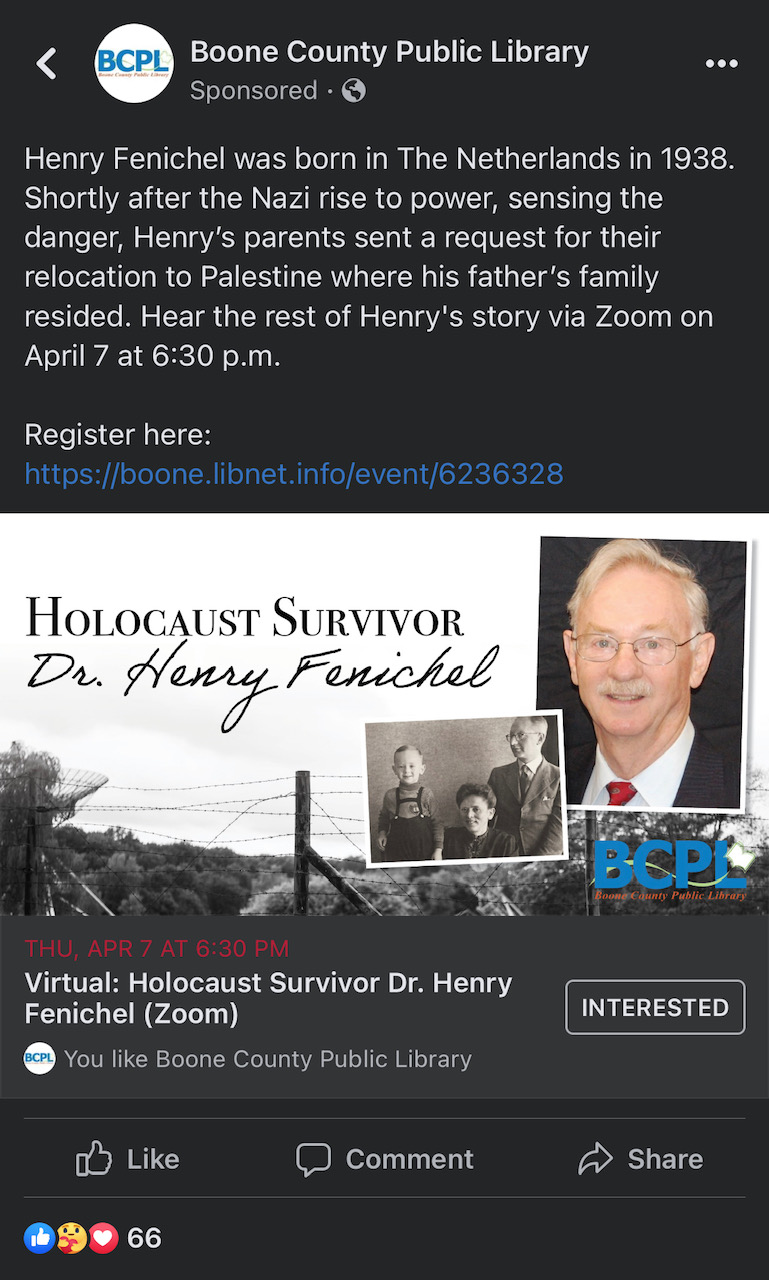
Boone County Library in Kentucky used Facebook ads.

Facebook also makes it easy to retarget people who interact with your initial ads. For example, letโ€™s say you bought ads to spread awareness of your summer reading program. When registration opens, you can buy a second ad that will be shown to people who engaged with the first ad. That second ad might have a goal of getting those folks to register and pick up their reading log from the library.

A few weeks after that, your library could buy a third ad, retargeting anyone who engaged with the first and second ads. That third ad may have the goal of asking people to share summer reading content like photos of their book haul, their reading log, or their participation prizes.

Instagram

Instagram has around 500 million daily active users. 70 percent of shoppers say they use this app specifically to shop!

Libraries might not be selling anything, but we can certainly use the sales tools to drive engagement with our collection and services. And since the platform is owned by Facebook, libraries have access to the same targeting options that make Facebook ads so effective.

There are five types of Instagram ads:

  • Photo
  • Video
  • Carousel
  • Collection
  • Stories

Photo and video ads are self-explanatory. They feature one photo or video that shows up in the Instagram feed.

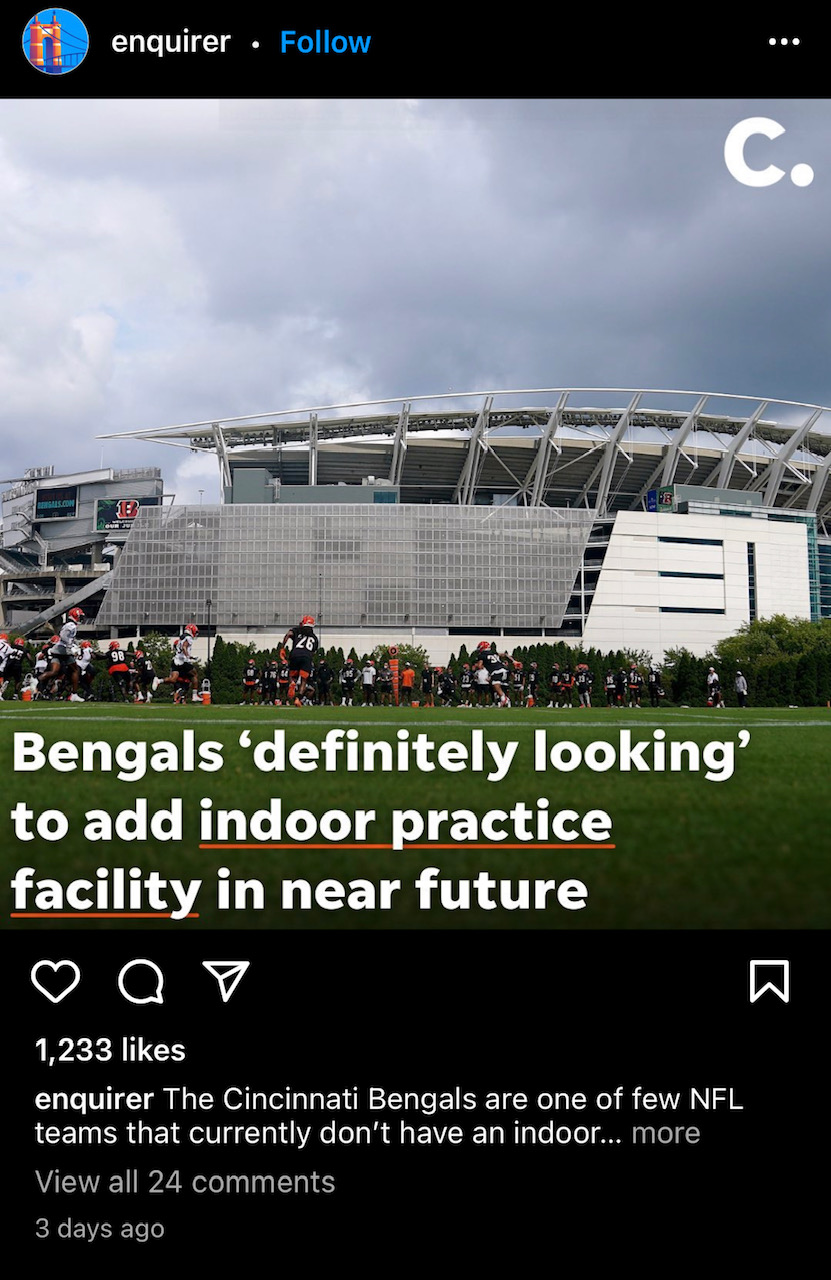
An example of a photo ad on Instagram.

Carousel ads let you combine anywhere from two and ten photos and videos all in the same post. People can swipe through to see everything in the carousel. These ads are dynamic, and they stand out from everything else in the Instagram feed.

Companies use collection ads to directly sell products. People can browse a wide range of products and services captured in a story format. For a library, a collection ad would let you showcase a series of specific library services, like a list of individual titles in a theme, or a list of your most popular databases.

You can also run Instagram story ads for your library. This would allow you to incorporate filters, video effects, music, and texts in these ads. And best of all, they include a swipe-up feature that directs the users to your library’s website.

To run an Instagram ad for your library, youโ€™ll need to have an Instagram business or creator accountโ€”you canโ€™t post ads from a personal Instagram account. You can convert your library page to a business account if you havenโ€™t already done so.

Youโ€™ll be able to effectively target your audience on Instagram in the same way that you can on Facebook. Youโ€™ll choose from criteria including the location, age, gender, behavior, language, and browsing patterns of your target audience.

With both Facebook and Instagram, your library can set a daily budget. The platforms will help you determine the correct amount, based on your target audience specifications. For most libraries, a budget of $10 a day will be an adequate amount for a successful ad campaign.

YouTube

YouTube boasts an audience of over two billion monthly users. The platform is especially effective for reaching Gen Z. YouTube reaches more adults aged 18 to 24 than any TV network.

YouTube has two kinds of ads. The first, and most popular among users, is called โ€œTrueView.โ€ TrueView ads play before someone watches a video or in the middle of a video. The viewer may get the option to skip the ad after it plays for about 5 seconds. Your library can also customize your videoโ€™s call to action in a TrueView ad.

An ad that viewers can skip might not sound like a great idea. But YouTubeโ€™s pricing structure is set up so that your library will only pay for the ad if the user watches at least 30 seconds of a long ad or the entirety of a shorter video ad.

YouTube also has non-skippable ads that can play before, during, or after the main video. These are interruptive ads, but if you have a beautiful video ad that is valuable and entertaining, you wonโ€™t annoy the viewer. Non-skippable ads are shorter, between 7 and 15 seconds in length.

An example of a non-skippable ad on YouTube

The process of buying an ad on YouTube is slightly more complex than it is for Facebook and Instagram. Your library may end up being connected to a Google specialist by YouTube to help you make your final decisions.

But in general, once you’ve created your video ad, you’ll make some decisions that will impact the effectiveness of your ad. You’ll let YouTube know what goal you’re trying to reach. You’ll also indicate the demographics of your target audience. And you’ll set the budget for your ads. Then, your campaign begins!

Has your library purchased social media ads before? On which channels? Did you see results? Share your experience in the comments!


You May Also Want To Read These Posts

Summer Reading 2022! How to Decide If Your Library Should Use Pre-Produced Graphics or Make Your Own

I Need To Replace My Libraryโ€™s Outdoor Banners! Promotional Advice for Your Prime Exterior Marketing Space

Latest Book Review

Wish You Were Here by Jodi Picoult

Subscribe to this blog and youโ€™ll receive an email every time I post. To do that, enter your email address and click on the โ€œFollowโ€ button in the lower left-hand corner of the page.
Instagram Adds Automated Captions, Facebook Expands Reels, and TikTok Goes Long: The Top Social Media Headlines for Libraries [VIDEO]

Watch Now

The Library Marketingโ€‹โ€‹โ€‹โ€‹โ€‹โ€‹โ€‹โ€‹ Show, Episode 136: In this episode, we’ll share the top three headlines and changes coming to Instagram, Facebook, and TikTok, and talk about their impact on library promotions and marketing.

Kudos in this episode go to the Mercer County Library System. Watch the video to see why they’re being recognized.

Do you have a suggestion for a topic for a future episode? Want to nominate someone for kudos? Let me know in the comments. And subscribe to this series to get a new video tip for libraries each week.

Thanks for watching!


Subscribe to this blog and youโ€™ll receive an email every time I post. To do that, enter your email address and click on the โ€œFollowโ€ button in the lower left-hand corner of the page.

A WordPress.com Website.

Up ↑