Search

Super Library Marketing: Practical Tips and Ideas for Library Promotion

Tag

YouTube

The Complete List of the Most Ideal Length for Each of Your Library Promotional Tactics

Photo courtesy Cincinnati and Hamilton County Public Library

For many of us, a hamburger is a delicious sandwich, no matter where you get it. No one can mess them up.

But there are things you can do to make your hamburger exceptional. For me, that means the addition of bacon, cheese, and avocado. I’ll still eat and thoroughly enjoy the hamburger if those ingredients aren’t available. But they make the hamburger go from good, to memorable.

Hamburgers are like marketing. Much of the work you do to promote your library is already good (because I know you’re doing good work!) Now, you’re on the path to maximizing the effectiveness of your marketing.

One of the ways you can ensure success is to make certain your marketing content is the perfect length. It may seem insignificant. But the right number of characters or words for a piece of content can make all the difference.

How do you know how long your tactics should be? I did the research, so you donโ€™t have to.

Ideal length of a Facebook post: 100-259 characters

Research from experts on this one is mixed. Some studies suggest you keep captions at 50 characters or less.

But in my work with libraries, I try to pay attention to engagement rates and post length. And I personally think 50 characters is too short. So, I would suggest you try to write between 100 and 259 characters.

Ideal length of a Tweet: 240-259 characters

Most experts agree that using slightly less than 280 character limit on Twitter is ideal. That gives people the room to quote Tweet your library.

But you can do two other things to improve your library’s Twitter engagement.

  • Include rich media in your post, like photos, graphics, and video. In fact, multiple photos or a mix of photos and a video will help your Tweet get more engagement.
  • Use emojis at the beginning of your Tweet to capture attention and stop people from scrolling past your messages.

Ideal length of an Instagram post: 138-150 characters

Fun posts should have shorter captions. Information or educational posts should have longer captions.

There are other caption tricks that help with Instagram post engagement.

  • Add spaces between your sentences, so they look like paragraphs. Here’s an example from Amherst Town Library.
  • Weave in plenty of emojis. You can even substitute emojis for words to add character to your post.
  • Include multiple kinds of rich media, like photos and videos all in the same post, to increase the value. ย ย 

Ideal length of a TikTok video or Instagram Reel:  between 7 and 34 seconds

There is not a lot of data or research surrounding TikTok videos or Instagram Reels. It does appear that, even though the platforms allow you to create videos that are several minutes long, shorter videos lead to maximum engagement.

Ideal length of a LinkedIn post: Less than 210 characters

There is lots of dispute around this recommendation. Iโ€™ve picked the median number. And to help with engagement, I have a formula thatโ€™s worked well for me.

Construct a good, first teaser sentence, and then put a space between it and the rest of your post caption. This will cause your reader to have to click on โ€œsee more.โ€ It works!

Good content on LinkedIn is also important. Videos natively uploaded to the platform get lots of engagement. Also, try polls to increase engagement.

Ideal length of an email: 100 words

Different types of emails should have different lengths. If youโ€™re sending someone an onboarding email, youโ€™re going to need to write more than if youโ€™re sending an email promoting an upcoming event.

There are some scenarios where a couple of sentences is plenty to capture your cardholderโ€™s attention and others where youโ€™ll need several paragraphs to get your full point across.

In general, keep your email text as simple as possible. Be straightforward about the benefit of your library service or collection item or event. And drive recipients to your website for more information.

Ideal length of an email newsletter: 3-4 pieces of information

In my experience advising libraries, email newsletter recipients never click anything past the first 3-4 pieces of content in an email. I always recommend sending shorter, more frequent email newsletters rather than one long monthly version.

If you donโ€™t have control over how long your email newsletter is, you can help engagement by placing the 3-4 most important things at the beginning of the email. If your email provider has a table of contents feature, use that to drive interest to content further down in the email.  

Ideal length of an email subject line: either very short (30 characters) or very long (90 characters or more)

It appears that the extreme ends of length catch the attention of the inbox scroller.

Longer subject lines boost response rates, according to Adestra, a U.K.-based email service provider. Its analysis of more than one billion emails showed that subject lines of 90 characters and more produced the highest response rates. They theorize the added characters increase engagement because they can communicate more value to the recipient.

But their research also found that subject lines at 30 characters or less performed well. That’s because the full subject line can usually be seen by the recipient, both in desktop and mobile versions of mail provider apps.

Experiment with both ends of the length spectrum to see which your audience responds to. And keep in mind the other factors that can impact subject line effectiveness.

Ideal length of a YouTube video: Between 7 and 15 minutes

This stat comes from several sources, including Social Media Examiner.

It’s important to let your content dictate video length. A how-to video may need five minutes or more to show the process. An unboxing video can be shorter. If your video is interesting to watch, the length won’t really matter. 

Ideal length of a podcast: 22 minutes

Your target audience will really dictate the perfect length for your library. Most research I found recommended 20 minutes for podcasts aimed at listeners who are doing chores or taking short walks, 40 minutes for people commuting or doing longer chores, or 60 minutes for those who want an extended listen.

Ideal blog post length:  2,000 words

Thatโ€™s a lot of words! For context, the Monday articles here on Super Library Marketing run between 1,000 and 1,500 words each.

So, before you get anxious about word length, remember that quality blog posts will always do well, no matter how long.  If your post contains valuable or interesting information that your reader wants and needs, it will do well.

If your blog is less than 2,000 words, there are some things you can do to make it feel meaty to the reader. You may have noticed these tricks in my blog posts.

  • Present information using bullet points or lists.
  • Write longer paragraphs at beginning of the article.
  • Insert scannable headlines.
  • Include images, especially those that explain concepts or demonstrate your point.

Finally, itโ€™s important to include keywords in your title and frequently within your post. You may notice I use the terms library marketing and library promotion in almost every title and throughout my articles. Thatโ€™s because I know those are used by library staff searching for help with their marketing.

The most important thing to remember

Pay attention to your metrics. Your audience will tell you about the perfect length for any one of your tactics.


Related Posts

Maybe the Biggest Lesson for Libraries from Content Marketing World: Why Broad is Flawed!

The Top Four Reasons To Use Content Marketing To Promote Your Library on Every Platform

Subscribe to this blog and youโ€™ll receive an email every time I post. To do that, enter your email address and click on the โ€œFollowโ€ button in the lower left-hand corner of the page.
BIG Changes Are Coming to Facebook Plus Instagram & YouTube Updates: Here Are Your Social Media Headlines for Libraries, July 2022

Watch The Library Marketingโ€‹โ€‹โ€‹โ€‹โ€‹โ€‹โ€‹โ€‹ Show, Episode 148

In this episode, we have the top three social media headlines. There are huge changes coming to the Facebook algorithm (again!) plus a new feature on Instagram and why you might want to rethink your library’s YouTube strategy. What does this all mean for libraries? We’ll dive in.

Kudos in this episode go to the Lexington Public Library. Watch the video to find out why they’re being recognized.

Do you have a suggestion for a topic for a future episode? Want to nominate someone for kudos? Let me know in the comments. And subscribe to this series to get a new video tip for libraries each week.

Thanks for watching!


Subscribe to this blog and youโ€™ll receive an email every time I post. To do that, enter your email address and click on the โ€œFollowโ€ button in the lower left-hand corner of the page.

Spending Library Money on Social Media: The Beginner’s Guide to Buying Promotional Ads on Facebook, Instagram, and YouTube

Photo courtesy Cincinnati and Hamilton County Public Library

When I was a kid, I was careful to always order the least expensive meal on the menu.

When we shopped for clothes, I always picked the cheapest option. At the start of each school year, I scoured ads (yes, even as a child!) to find the lowest prices on supplies, backpacks, and lunchboxes.

My frugality was a blessing during my time working in a library. I did a lot of effective promotions for free, especially on social media.

When I started work at the library in 2013, the average organic reach of a Facebook post was 12.5 percent. Today, it’s just 5.2 percent. That means roughly only one in every 19 fans will see your content. That is a huge decline.

Platforms adjust their algorithms to help them make money. And that’s why organic reach is now so limited.

Why your library might want to spend money on social media ads

Social media ads can do what organic posts cannot. They will ensure your posts will be seen by your target audience.

For major library campaigns, there is value in spending precious library dollars to purchase social media ads. Your library should consider investing in social media ads for the following reasons:

  • To reach new audiences
  • To solicit participation in system-wide programs like summer reading
  • To publicize larger library events especially if your library has invested a lot of time and money creating the event.
  • To publicize building openings and renovations
  • To soften the ground for upcoming levy or bond issues
  • To introduce a new library director or board member
  • To solicit donations
  • To recruit volunteers

Careful planning will lay the groundwork for a successful library social media ad campaign.

Planning your library social media ads

The first step is to identify your goal. What result are you looking to achieve? Be specific. Use numbers. Specify how you will measure the results.

For example, you may write goals like these:

  • โ€œLast year, we had 500 kids ages 12-18 participate in our summer reading program. This year, we will increase that participation number by 25 percent to 625 kids.โ€
  •  โ€œWe will fill 95 percent of the seats at our next virtual author program with Benjamin Gilmer, author of the new book, The Other Dr. Gilmer. Our platform has a 300-viewer capacity, so we will get at least 285 people to log on for the event.โ€

Once you have a specific goal, your next step will be to identify your target audience.

Letโ€™s take the two examples above. The target audience for the summer reading program goal would be teens, their parents, and teachers. For the virtual author program, your target audience would be avid readers of nonfiction, true crime, and thriller books, book club leaders, medical professionals, lawyers, and criminal justice leaders, as well as medical, law, and criminal justice students from the nearby university. Note your target audience under your goal.

Finally, youโ€™ll need to determine the content of your ads. To do that youโ€™ll make these decisions:

  • What text will we use?
  • What images will we use?
  • What will our call to action be?

When those details are in place, youโ€™ll be ready to begin buying your ads.  

Choosing your social media ad platform

Letโ€™s compare the three major platforms on which libraries typically purchase ads: Facebook, Instagram, and YouTube.

Facebook

Facebook is still the largest of the social media platforms, with nearly two billion active daily users. 15 percent of those users interact with ads on Facebook.

Facebook has the most powerful and accurate tools to optimize and target your audience. Facebook says nearly ten percent of the people who see the ads take an action. Thatโ€™s quite high, and a great argument for using money to buy Facebook ads.

It used to be that libraries would create one ad on Facebook and be done with it. But Facebook now encourages pages to run multiple ads at the same time for optimum results.

But donโ€™t worry about having to create the perfect combination of text, images, and calls to action. Facebook makes it easy with its Dynamic Ad creative tools. Youโ€™ll find them in the Facebook Ad Creator section.

Select โ€œoptimize ad creative for each person.โ€ Then give Facebook at least two options for text, headlines, and images or videos. Facebook will then use keywords and its extensive knowledge of its own audience to mix and match the right combination for your target audience.

To increase the chances that your dynamic ad content will be successful, be sure to select the keywords in your text and headlines carefully and strategically. Facebook will use these keywords to help it decide who your ads will be shown to, and when theyโ€™ll be shown.

The final step is to set up Google Analytics on your libraryโ€™s website with a Facebook Pixel. That will allow you to accurately track your ad on Facebook. The pixel will give your insight into how many people click on your ad and come to your libraryโ€™s website to take any action, like registering for a program or signing up to participate in summer reading.

Once your ad creative pieces are chosen and your pixel is set up, run a test of all the ad options for seven days. At the end of the week, youโ€™ll have a clear idea of which ad combination works the best. You can then invest a little more money in the ad with the best performance.

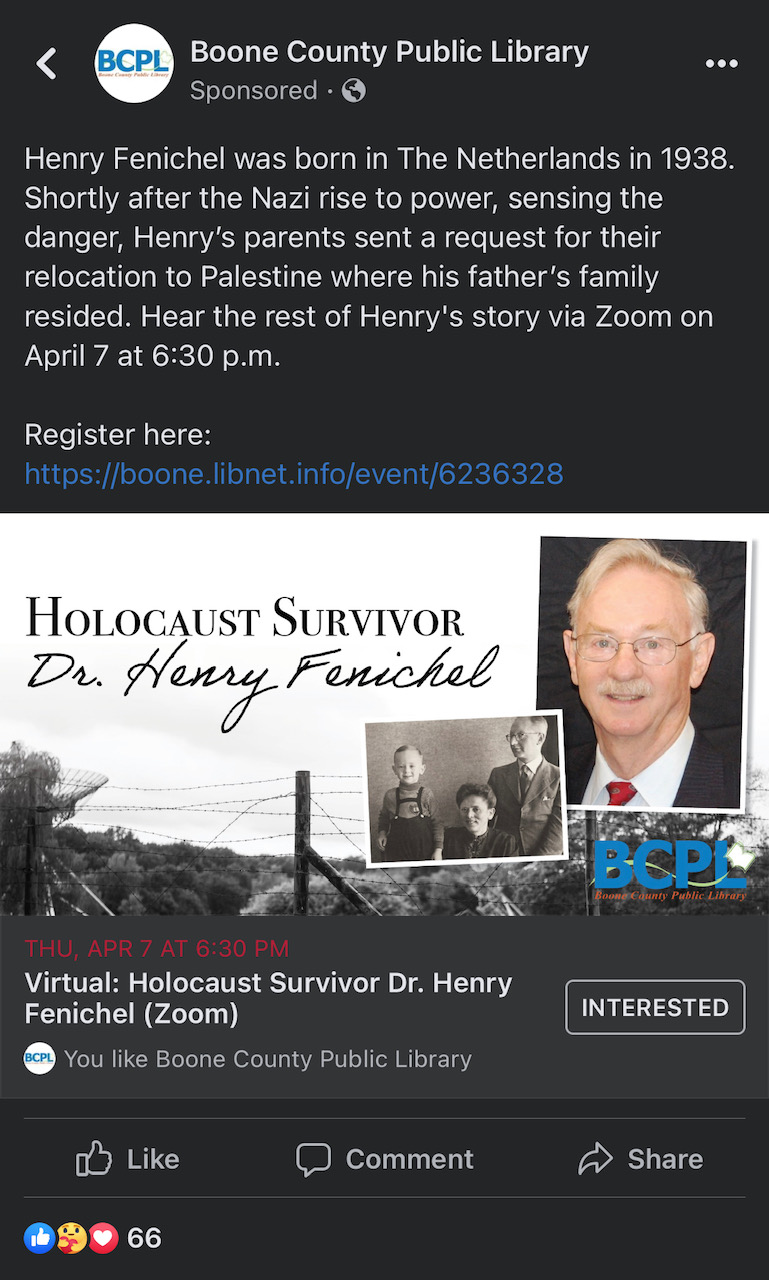
Boone County Library in Kentucky used Facebook ads.

Facebook also makes it easy to retarget people who interact with your initial ads. For example, letโ€™s say you bought ads to spread awareness of your summer reading program. When registration opens, you can buy a second ad that will be shown to people who engaged with the first ad. That second ad might have a goal of getting those folks to register and pick up their reading log from the library.

A few weeks after that, your library could buy a third ad, retargeting anyone who engaged with the first and second ads. That third ad may have the goal of asking people to share summer reading content like photos of their book haul, their reading log, or their participation prizes.

Instagram

Instagram has around 500 million daily active users. 70 percent of shoppers say they use this app specifically to shop!

Libraries might not be selling anything, but we can certainly use the sales tools to drive engagement with our collection and services. And since the platform is owned by Facebook, libraries have access to the same targeting options that make Facebook ads so effective.

There are five types of Instagram ads:

  • Photo
  • Video
  • Carousel
  • Collection
  • Stories

Photo and video ads are self-explanatory. They feature one photo or video that shows up in the Instagram feed.

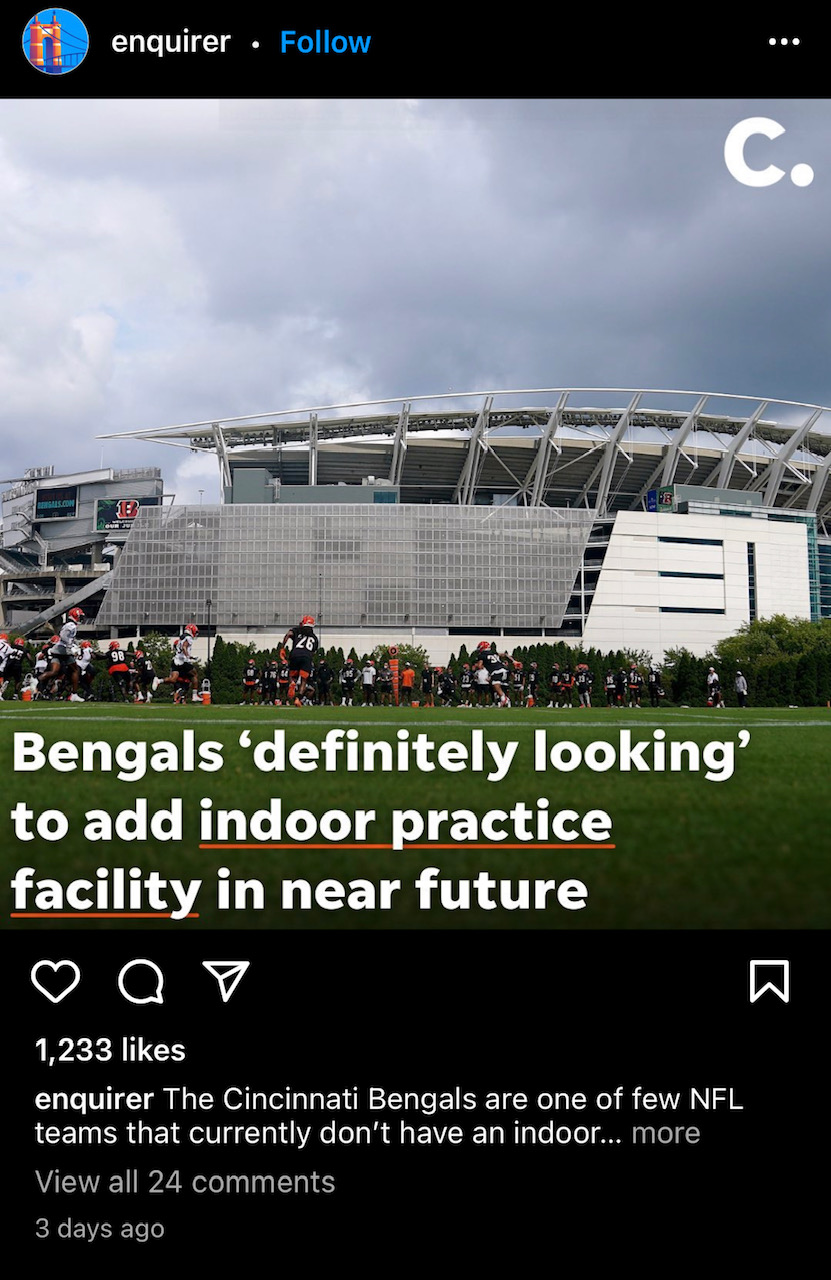
An example of a photo ad on Instagram.

Carousel ads let you combine anywhere from two and ten photos and videos all in the same post. People can swipe through to see everything in the carousel. These ads are dynamic, and they stand out from everything else in the Instagram feed.

Companies use collection ads to directly sell products. People can browse a wide range of products and services captured in a story format. For a library, a collection ad would let you showcase a series of specific library services, like a list of individual titles in a theme, or a list of your most popular databases.

You can also run Instagram story ads for your library. This would allow you to incorporate filters, video effects, music, and texts in these ads. And best of all, they include a swipe-up feature that directs the users to your library’s website.

To run an Instagram ad for your library, youโ€™ll need to have an Instagram business or creator accountโ€”you canโ€™t post ads from a personal Instagram account. You can convert your library page to a business account if you havenโ€™t already done so.

Youโ€™ll be able to effectively target your audience on Instagram in the same way that you can on Facebook. Youโ€™ll choose from criteria including the location, age, gender, behavior, language, and browsing patterns of your target audience.

With both Facebook and Instagram, your library can set a daily budget. The platforms will help you determine the correct amount, based on your target audience specifications. For most libraries, a budget of $10 a day will be an adequate amount for a successful ad campaign.

YouTube

YouTube boasts an audience of over two billion monthly users. The platform is especially effective for reaching Gen Z. YouTube reaches more adults aged 18 to 24 than any TV network.

YouTube has two kinds of ads. The first, and most popular among users, is called โ€œTrueView.โ€ TrueView ads play before someone watches a video or in the middle of a video. The viewer may get the option to skip the ad after it plays for about 5 seconds. Your library can also customize your videoโ€™s call to action in a TrueView ad.

An ad that viewers can skip might not sound like a great idea. But YouTubeโ€™s pricing structure is set up so that your library will only pay for the ad if the user watches at least 30 seconds of a long ad or the entirety of a shorter video ad.

YouTube also has non-skippable ads that can play before, during, or after the main video. These are interruptive ads, but if you have a beautiful video ad that is valuable and entertaining, you wonโ€™t annoy the viewer. Non-skippable ads are shorter, between 7 and 15 seconds in length.

An example of a non-skippable ad on YouTube

The process of buying an ad on YouTube is slightly more complex than it is for Facebook and Instagram. Your library may end up being connected to a Google specialist by YouTube to help you make your final decisions.

But in general, once you’ve created your video ad, you’ll make some decisions that will impact the effectiveness of your ad. You’ll let YouTube know what goal you’re trying to reach. You’ll also indicate the demographics of your target audience. And you’ll set the budget for your ads. Then, your campaign begins!

Has your library purchased social media ads before? On which channels? Did you see results? Share your experience in the comments!


You May Also Want To Read These Posts

Summer Reading 2022! How to Decide If Your Library Should Use Pre-Produced Graphics or Make Your Own

I Need To Replace My Libraryโ€™s Outdoor Banners! Promotional Advice for Your Prime Exterior Marketing Space

Latest Book Review

Wish You Were Here by Jodi Picoult

Subscribe to this blog and youโ€™ll receive an email every time I post. To do that, enter your email address and click on the โ€œFollowโ€ button in the lower left-hand corner of the page.
New Features on YouTube and Facebook, Plus Why You Might Want to Rethink Where You Spend Your Media $$: Social Media Updates for Libraries

Watch Now

The Library Marketingโ€‹โ€‹โ€‹โ€‹โ€‹โ€‹โ€‹โ€‹ Show, Episode 128

In this episode, I’ll share the latest social media updates for January 2022, including a new way to filter analytics on YouTube and a new way to share video clips from Facebook to your stories. We’ll talk about what all of this means for libraries. Plus a study that may make you rethink the way you spent ad $$ for Summer Reading and other big library programs.

Kudos in this episode go to the ten winners of a huge award given by the American Library Association! Watch the video to see why they’re being recognized.

Do you have a suggestion for a topic for a future episode? Want to nominate someone for kudos? Let me know in the comments. And subscribe to this series to get a new video tip for libraries each week.

Thanks for watching!


Subscribe to this blog and youโ€™ll receive an email every time I post. To do that, enter your email address and click on the โ€œFollowโ€ button in the lower left-hand corner of the page.
Twitter Stats, Facebook’s Free Social Impact Conference, and YouTube’s Aesthetic Guide: Social Media Updates for Libraries

Watch Now

The Library Marketingโ€‹โ€‹โ€‹โ€‹โ€‹โ€‹โ€‹โ€‹ Show, Episode 107

It’s time for social media updates for libraries! We’ll highlight three headlines and talk a bit about their impact on library social media.

Kudos in this episode go to the Columbus Library for their help with Operation Backpack.

Special note

I'm hosting a live Twitter chat next Tuesday, August 31 at 12 p.m. ET. It's on changing public perception through storytelling. To join, follow #CMWorld on Twitter. We'll ask five questions during the chat. You can answer using the hashtag. I want to make sure libraries are represented in this chat. See you there, friends!

Do you have a suggestion for a topic for a future episode? Want to nominate someone for kudos? Let me know in the comments. And subscribe to this series to get a new video tip for libraries each week.

Thanks for watching!

Angela’s Latest Book Review

Couple Found Slain by Mikita Brottman

Subscribe to this blog and youโ€™ll receive an email every time I post. To do that, enter your email address and click on the โ€œFollowโ€ button on the lower left-hand corner of the page.

Library Social Media Updates: YouTube’s New Feature and Facebook Explains Its Algorithm!

The Library Marketingโ€‹โ€‹โ€‹โ€‹โ€‹โ€‹โ€‹โ€‹ Show, Episode 103

Watch Now

In this episode, I share two social media updates that are relevant for libraries. I’ll tell you about YouTube’s “New to You” feature and Facebook explained how its algorithm works!

Kudos in this episode go to the ten libraries in the UK who participated in the “Creating Space for Kindness” Project.

Do you have a suggestion for a topic for a future episode? Want to nominate someone for kudos? Let me know in the comments. And subscribe to this series to get a new video tip for libraries each week.

Thanks for watching!

Subscribe to this blog and youโ€™ll receive an email every time I post. To do that, click on the โ€œFollowโ€ button in the bottom left-hand corner of the page.

Angela’s Latest Book Review

The Southern Book Club’s Guide to Slaying Vampires by Grady Hendrix

New Research on Social Media Use Plus Updates on YouTube and Facebook for Libraries!

Angela Hursh episode of the Library Marketing Snow on social media.

Watch Now

The Library Marketingโ€‹โ€‹โ€‹โ€‹โ€‹โ€‹ Show, Episode 92

In this episode, we’ll go through the three big new stories on social media that impact your library work. This includes new Pew Research on social media use, YouTube’s overview on how it recommends videos to viewers, and a new feature for Facebook posts.

Kudos in this episode go to the Siouxland Libraries for their new library card designs.

Do you have a suggestion for a topic for a future episode? Want to nominate someone for kudos? Let me know in the comments. And subscribe to this series to get a new video tip for libraries each week.

Thanks for watching!

Library Promotion Updates for Instagram, YouTube, and Facebook That You Need To Know!

Watch Now

The Library Marketingโ€‹โ€‹ Show, Episode 88

It’s time for our social media updates for Library Marketing! In this episode, find out about updates to Instagram Stories, YouTube shorts, and Facebook.

Kudos in this episode go to Illinois Prairie District Library for their purchase of a Short Story Cube.

Do you have a suggestion for a topic for a future episode? Want to nominate someone for kudos? Let me know in the comments. And subscribe to this series to get a new video tip for libraries each week.

Thanks for watching!

How to Reboot AND Optimize Your Library’s YouTube Channel for Marketing Success!

Watch Now

The Library Marketing Show, Episode 84

In this episode, I’ll answer a question from Jennifer of the Park Ridge Public Library. She asked, “What advice would you give to a library needing to reboot the way they use YouTube? We have a YouTube account but only used it sporadically in the past. How can we effectively use it to promote programs, host book talks, share big library news?”

Kudos in this episode go to the Sierra Madre Public Library for their amazing work on TikTok!

Do you have a suggestion for a topic for a future episode? Want to nominate someone for kudos? Let me know in the comments. And subscribe to this series to get a new video tip for libraries each week. Thanks for watching!

A WordPress.com Website.

Up ↑