This is the last of a three-part series on branding for libraries. We’ve explored what branding really means in a library context (read about that at this link) and how to build a cohesive brand across your entire library system (read that post at this link).
But there’s one element that most libraries, including mine, still struggle with: Consistency.
Here’s a great example from my library. We realized last week that some staff are using chpl.org to refer to our website, while others are using CHPL.org. Our brand guide is clear about which one to use.
But if you consider staff turnover and how many things staff members are expected to remember every single day, this kind of brand slippage shouldn’t surprise you. It didn’t surprise me.
So, how do you combat that?
Let’s Clear Up a Common Misconception About “Consistency”
When people hear the term “brand consistency,” they often assume it means using the same font, putting the library’s logo on everything, creating rigid templates, or repeating key phrases or messages.
They’re not exactly wrong. Those things do have value.
Templates can save time, reduce decision fatigue, and help staff, especially those with no design experience (like me!), be more confident in creating materials.
And shared messaging — what I like to call talking points — is one of the most powerful branding tools you have. Because repetition builds recognition.
But there’s another important ingredient in effective library marketing:
Creativity.
Libraries don’t just need to be recognizable. They also need to be interesting, relevant, and engaging.
But balancing creativity and branding is hard.
Branding Should Create Confidence, Not Limit Creativity
One of the biggest misconceptions about branding is that it exists to make everything look exactly the same.
It doesn’t.
Strong branding should actually make creativity easier because staff are not starting from scratch every time they create something.
Think about it this way: Your templates, talking points, colors, and voice guidelines are not meant to be a cage. They’re meant to be a framework.
Within that framework, staff should still have room to:
- Adapt messaging for different audiences
- Highlight the personality of a program or event
- Experiment with creative ideas
- Make content feel fresh and human
A summer reading campaign shouldn’t feel exactly the same as a job seeker workshop or a local history lecture. The tone, imagery, and approach may shift.
But the underlying experience — the feeling people get from your library — should still feel connected.
That’s branding.
Where Libraries Often Struggle
Consistency becomes a problem when branding tools turn into autopilot. For example, your library may have a brand consistency problem if staff are:
- Using templates inappropriately or changing them so much that they no longer feel connected to your brand
- Avoiding templates entirely because they feel too restrictive
- Forgetting to include important talking points or key messages
- Copying the same wording over and over without adapting it for the audience or platform
- Creating materials that technically follow the rules but don’t feel engaging or relevant
That’s when library marketing stops feeling intentional and starts feeling:
- Generic
- Disconnected
- “All over the place.”
Or sometimes just… forgettable.
The Goal Is Consistency and Creativity
The strongest library brands find the balance between the two.
They create enough structure to feel recognizable and enough flexibility to feel human
Because your audience does not want every piece of marketing to look identical. But they do want every interaction with your library to feel connected to the same organization.
That’s the sweet spot.
Ask yourself: If someone removed your logo, would people still know it’s your library? The correct answer needs to be… yes! So how do you get there?
Start Here: Define 3–5 Voice Traits
Choose 3–5 words that describe how your library sounds.
For example:
- Friendly
- Clear
- Encouraging
- Inclusive
- Curious
- Whimsical
- Authoritative
Make sure you give staff examples, like this:
Academic vs. Conversational
- Academic: “Participants are invited to attend a program focused on early literacy development.”
- Conversational: “Join us for a fun program that helps your child build early reading skills.”
See how it’s the same message but with very different vibes?
Here’s another example:
Passive vs. Active
- Passive: “Registration is required.”
- Active: “Sign up today to save your spot.”
Naming your voice traits helps your staff with this little self-test: Before publishing anything, staff can ask: “Does this sound like us?” If the answer is “no”, it’s time to head back to the drawing board.
Visual Consistency Without Template Burnout
Let’s talk about design, because this is where frustration builds fast.
Rigid templates with stringent oversight seem like the answer. But over time, they limit creativity, get ignored by staff, and may not fit every situation or program at your library.
So instead, focus on visual systems rather than templates.
Standardize:
- Color palette
- Font pairings
- Logo usage
- Image style (bright photos, illustrations, or icons?)
Do NOT over-standardize:
- Layouts
- Copy
- Creative concepts
This gives you consistency and flexibility. Here’s an example from my own library.
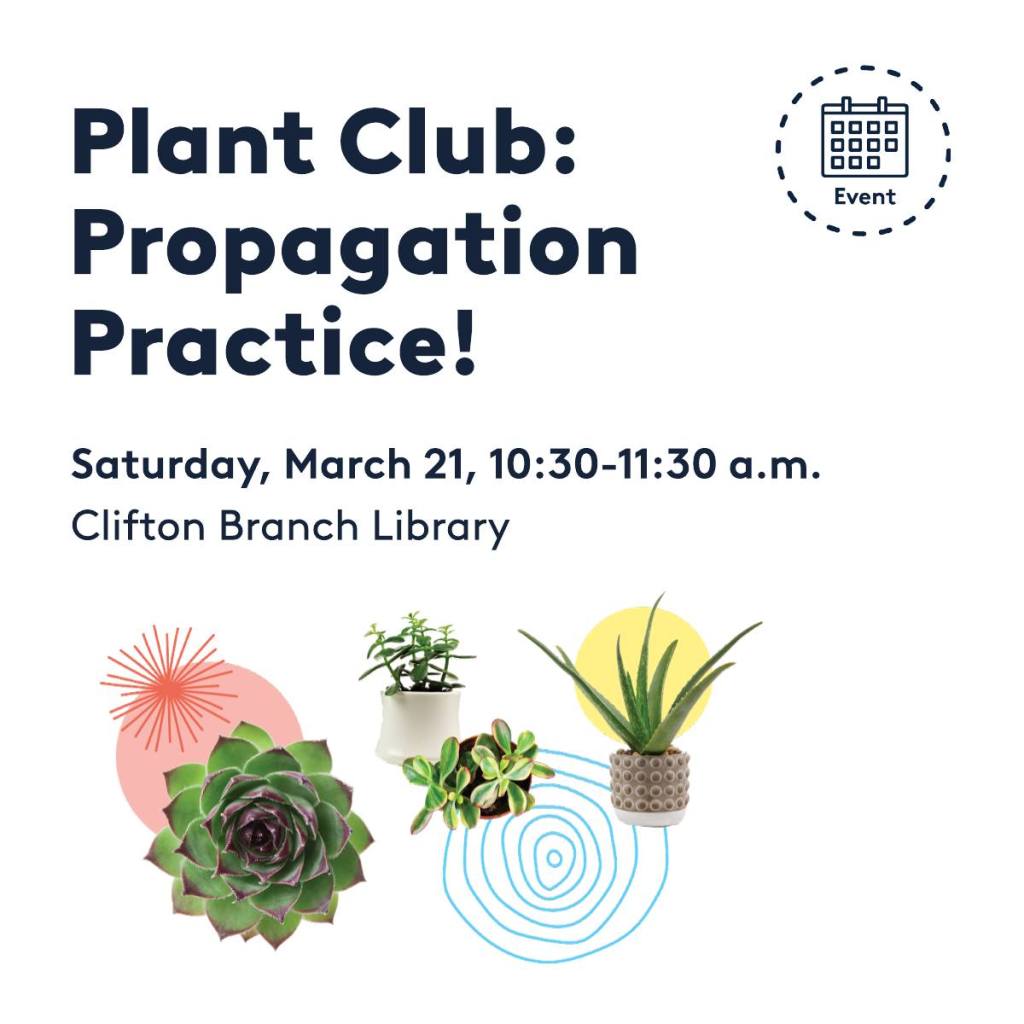
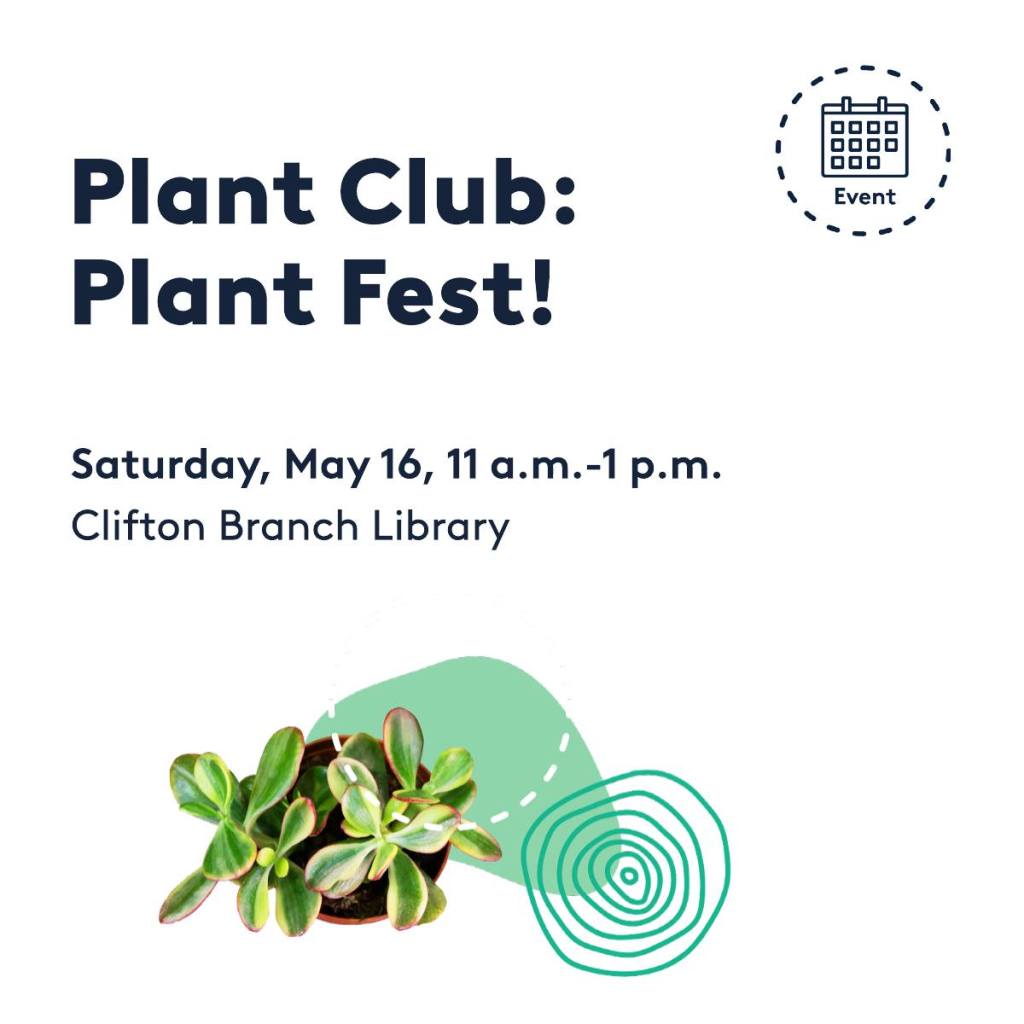

These are three different plant programs at the same branch, but their graphics are all different, yet connected by elements like colors, shapes, and consistent fonts.
The Bottom Line
Consistency doesn’t come from control.
It comes from:
- Clear direction
- Shared understanding
- Practical tools
When your staff understands the brand, they don’t need to copy and paste. They can create. And that’s when your library starts to feel like one cohesive, recognizable experience, no matter where or how someone interacts with you.
So, what other questions do you have about branding? Ask in the comments, and I’ll tackle them in a future episode of The Library Marketing Show!
Want more help?
Are Specialty Logos for Services a Good Idea? Here Are the Pros and Cons
Subscribe to this blog, and you’ll receive an email whenever I post. To do that, enter your email address and click on the “Follow” button in the lower left-hand corner of the page. You can also follow me on the following social media platforms:


Leave a Reply