Search

Super Library Marketing: Practical Tips and Ideas for Library Promotion

Category

Library Marketing Strategy

Fight for Your Ideas! Four Tips to Help You Get the Green Light for New Library Promotional Ideas

Photo of librarians, courtesy Public Library of Cincinnati and Hamilton County

It’s sometimes insanely hard to get any new marketing ideas to pass approval in a library.

If there is a silver lining to the COVID-19 pandemic, it’s that the crisis helped libraries to see that there are new ways to market and promote their library. It’s opened the door for experimentation.

Even so, presenting a new marketing or promotional idea is sometimes challenging and intimidating for library staff. I know this because every time I talk with librarians at conferences or in one-on-one consultations, they ask, “How do I get buy-in for this great promotional idea with my supervisors and co-workers?”

Here are the four things you can do to gather support and approval for your great new marketing and promotional ideas.

Tell me about a time you had to pitch a library promotional idea. What was the idea? Did you get a yes or no? What did you learn from the experience? Share your thoughts in the comments.

Thoroughly research and prepare your pitch.  

Before you pitch a new idea, do your research. You’ll want to present a clear, concise, and strategic case for your idea. Include the following information in your pitch:

  • How the work benefits your community and cardholders.
  • How the work ties into your library’s overall strategy and goals.
  • How the work will get done by staff.
  • The timeline for implementation.
  • What the success measures will be.
  • What the long-term goals of your promotional idea will be.
  • How you will handle problems that may arise.
  • The data to back up your claims.

Here’s an example pitch that includes these points.

You’ve determined that Facebook is not giving you the results you want when you promote individual programs. Registration and attendance at programs have been unchanged or decreasing in the last six months, despite the many posts you create. Instead of using social media, you want to start a targeted e-newsletter sent to the people who frequent each branch in your system. You believe these targeted emails will be more effective because they will reach the audiences most likely to attend these programs.

Your pitch will begin by explaining the problem using data. Include registration, attendance figures, and Facebook engagement figures especially clicks on your registration or event information links. Show how the Facebook posts are getting very little engagement and lead to no increase in registration or attendance.

Next, explain how the move to branch-specific e-newsletters will be better for your community and cardholders because it will offer information about events happening in their neighborhood that are specific to their wants and needs. Look for wording in your library’s strategic plan that will make it clear to senior leaders that you are working to fulfill the strategic goals by offering community-based access to information.

Next, make the case that e-newsletters are a more efficient use of your time because they will be more effective and targeted. Again, be specific when you talk about how long it takes to create a Facebook post versus an e-newsletter.

Now, talk about the ways you’ll measure success for your new e-newsletters: increases in registration and attendance, plus open and click rates on the emails. Be specific and use numbers. This will show that you are confident that your new idea will work.

Spend a few moments talking about your long-term goals: how many new subscribers do you want to get in the first six months or year? How much would you like to see registration and attendance grow? What other library services can you imagine promoting using your e-newsletters?

Layout a timeline: when do you think you can launch your first e-newsletter? How long will it take to grow your subscription list? How often will you send these e-newsletters?

Finally, talk briefly about problems you may encounter and how you’ll handle them. What program will you use to send the e-newsletters? Who will create them if you’re sick or on vacation?

Review and rehearse.

Review your plan several times. It’s a good idea to leave a few days in between each review of the plan, to let your ideas marinate. You may think of new benefits or pitfalls during those breaks. You’ll want to be fully prepared to answer any questions and defend your idea with confidence.

Next, practice presenting your idea to a friend at your organization. Choose someone you trust to give you honest feedback about your idea and your presentation.

You might also consider recording your pitch on Zoom or another video recording program. Check to make sure you are speaking slowly and clearly. Evaluate your tone of voice, eye contact, and body language during your practice pitch.

Pitch strategically.  

Find a time when your supervisor won’t be rushed. They’re more likely to listen to you when they have time to truly consider your idea.

Pick the right day of the week for your pitch. For example, Mondays are often busy and stressful for bosses. Your supervisor may be more negative at the beginning of the week and it’s likely not the best day for your pitch.

When you pitch, be mindful of your body language. If you are sitting in a chair, don’t pivot back and forth nervously or jiggle your legs. Sit still, but upright, and with confidence.

If you are standing, try separating your legs about shoulder-width apart. This is a “power” pose that will help you maintain good posture and will subconsciously give the impression that you know what you are doing… even if you don’t feel that confident!

If the answer is no, don’t necessarily give up. 

A “no” doesn’t have to mean the end of an idea, especially if you think it’s beneficial to your library and customers. There are no bad ideas–just ideas whose time has not yet come.  

Write yourself a note in your work calendar to revisit the idea in six months. Keep your eyes open for new opportunities to present your ideas in a different format.


Subscribe to this blog and youโ€™ll receive an email every time I post. To do that, click on the โ€œFollowโ€ button in the bottom left-hand corner of the page.

You May Also Want to Read These Posts

Prioritize! How to Decide Where To Spend Library Marketing Time and $$$

Five Creative Ideas to Help You Beat the Blues, Get Inspired, and Create Amazing Library Marketing Campaigns Again!

Looking for Guaranteed Email Marketing Success at Your Library? Here Are Four Essential Metrics To Track.

Image courtesy Public Library of Cincinnati and Hamilton County

Use the feedback button to share your most pressing email marketing question. I’ll answer these in a future blog post!

I love opening the “reports” tab on an email platform. There is a second or two of anticipation as the page loads that brings me a thrill.

What will the numbers say? Will they be better or worse than last month? Will they reveal a new trend that I can use to better serve my target audience?

I realize I sound a little nuts. But honestly, I love metrics.

They are clear and concise. They show you what’s working and what’s not working. They give you permission to stop doing promotions that don’t help your library at all. If you try something new, they’ll tell you whether your idea worked or not.

Tracked over time, email metrics will help you to take the 30,000-foot view of your library marketing. You can see if your emails are doing what they are supposed to do… moving your library toward its overall strategic goals.

There is a lot we could measure in terms of email marketing. It would be easy to get lost in the quagmire of numbers and analysis.

So, I want you to focus on four data points that really matter to library email marketing. Use these metrics to determine whether your messages are connecting with your audience and promoting your library’s overall strategic goals. And don’t miss the bonus tip at the end of this list!

“Email is the only place where people, not algorithms, are in control.โ€

Ann Handley, writer, digital marketing pioneer, and Wall Street Journal best-selling author 

1. Increase of raw circulation numbers.ย 

Recordย the number of checkouts and holds before you send the message and then again after the message is sent. You can generally wait about three days to check those numbers. Cardholders who want to act on an email will do so within a three-day period of receiving it.

What this metric will tell you: Raw circulation numbers will likely be of interest to anyone in collection development at your library. They are also the basis for the next two metrics, which will help you compare the effectiveness of your emails.

2. Percentage increase in circulation.

Once you start collecting data on raw holds and checkout increases, you will want to calculate the percentage increase in circulation.  

Let’s say on Monday, you send an email promoting one specific eBook. Before you send the email, you note that there are currently three holds or checkouts of this eBook. When you check on Tuesday, there are four new holds or checkouts placed on the eBook. In total, there are now seven holds or checkouts on this item.

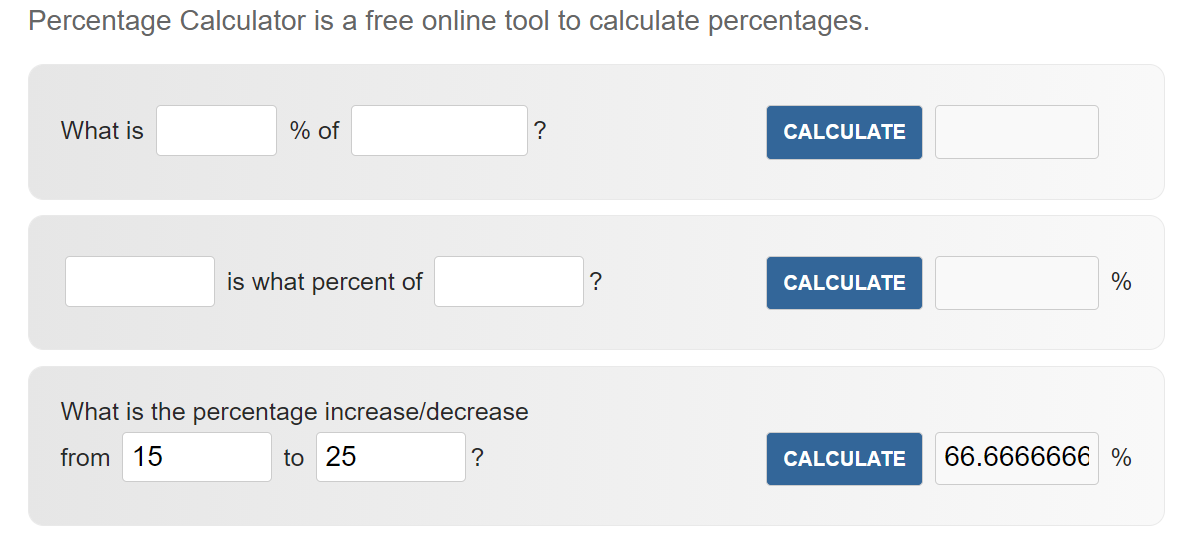
Use percentagecalculator.net to calculate the percentage increase in circulation. For this example, we use the third calculation tool on the page:

That’s a 133 percent increase in circulation.

Now, the next week, you decide to send another email promoting a different eBook. But this time, the eBook you choose to promote has 15 holds or copies before the email is sent. When you check 24 hours after sending the email, there are 10 new holds or checkouts. In total, there are now 25 holds or checkouts on the eBook.

The raw numbers for the second email are bigger (an increase of 4 holds/checkouts vs. an increase of 10 holds/checkouts). But the percentage increase for the second email is actually smaller, at 66%! That means email #1 was more effective.

What this metric will tell you: Percentage increase in circulation lets you compare your promotions more accurately. If you are short on time, this kind of comparison will help you determine which promotions will give you the most success with your limited resources.

3. Conversion rate.

This is the percentage of people who took an action after receiving your email.

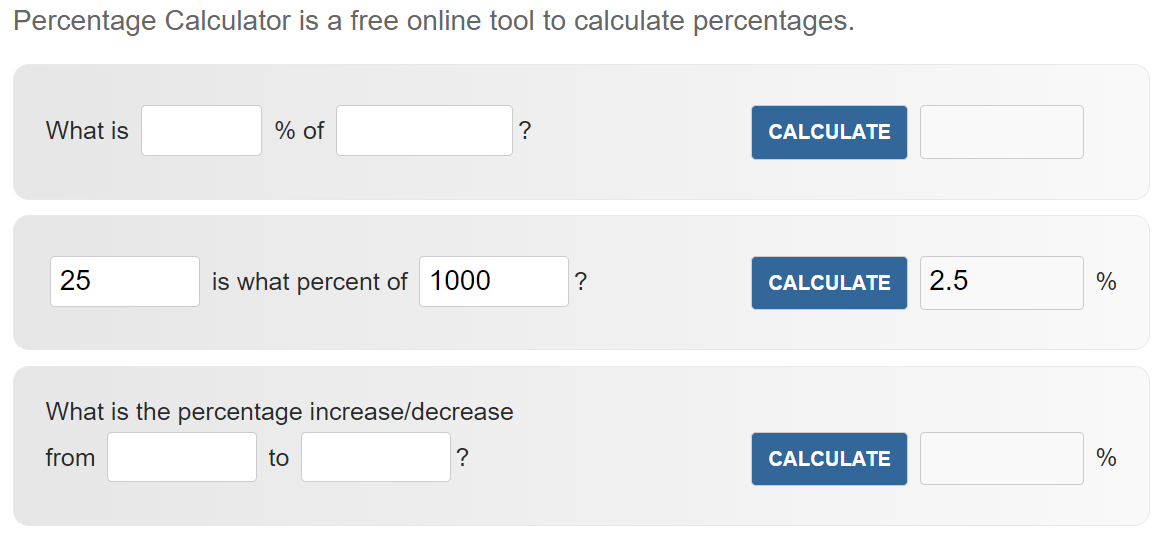
Let’s pretend that you’ve sent an email to 1000 people. The email promotes a streaming video on your library website that hasn’t had any views in the past couple of weeks.

When you check the streaming statistics for that video, you see that 25 people watched the video in the days immediately after you sent the email.

Using the second tool on our percentage calculator website, you can calculate the percentage of people who “converted” or took an action after your email.

What this metric will tell you: If you start tracking conversion rates on your emails, over time you’ll have a clear picture of the types of emails your audience responds to. You’ll be able to establish a good base percentage for your audience. This number will be different for every library.

If you are short on time, this metric will help you determine which promotions will give you the most success with your limited resources. When you find a certain type of email promotion works based on conversion rate, you should do it more often.

4. Amount of traffic driven to your website.

Track how much traffic is funneled to your public website by your emails. You can use Google Analytics to analyze how efforts on those platform translates into action by your cardholders. If you’ve never worked with Google Analytics, here is an easy guide to get you started.

What this metric will tell you: This is an important metric to share with administration, because it clearly demonstrates the value of the time and energy you have invested in email marketing.

Special bonus tip!

If you promote the same collection item or booklist on social media, email, and your website, put some space between those three promotions. A week is a good amount of time. That allows you to really pinpoint whether your increase in circulation is coming from email, your placement of the item on your website, or social media.

In fact, that’s a fun experiment to run. Can you drive higher circulation numbers by promoting your collection on your website, email, or social media?

You can even get more granular: which social media platform is best for collection promotion? Which page on your website is best for placing collection promotions? Which email list responds best? See, this is fun!


Subscribe to this blog and youโ€™ll receive an email every time I post. To do that, click on the โ€œFollowโ€ button in the bottom left-hand corner of the page.

You may also like these articles

Are My Library Email Metrics Goodโ€ฆ. or Bad?! Here Are the Latest Stats to Help You Figure It Out.

What Metrics Demonstrate Your Libraryโ€™s Social Media Marketing is Working?

Angelaโ€™s latest book review

Beautiful Things by Hunter Biden

How Do We Get People To Come Back to the Library? Four Ideas That Can Help You Rebuild Use of Your Library

Here is something I’ve noticed in my conversations with library staff over the past six months.

Staff share a profound feeling of separation from their communities. They’ve been working for more than a year without the normal interactions with the public. And that has led to increased anxiety about whether things will ever return to normal.

The big questions I’m getting are: How long will it take before circulation returns to normal? How long will it take before program attendance is back to where it was before the pandemic?

I can’t answer those questions. I’m not sure anyone credibly can.

But what I can do is help you to rebuild use of your library through marketing and promotions.

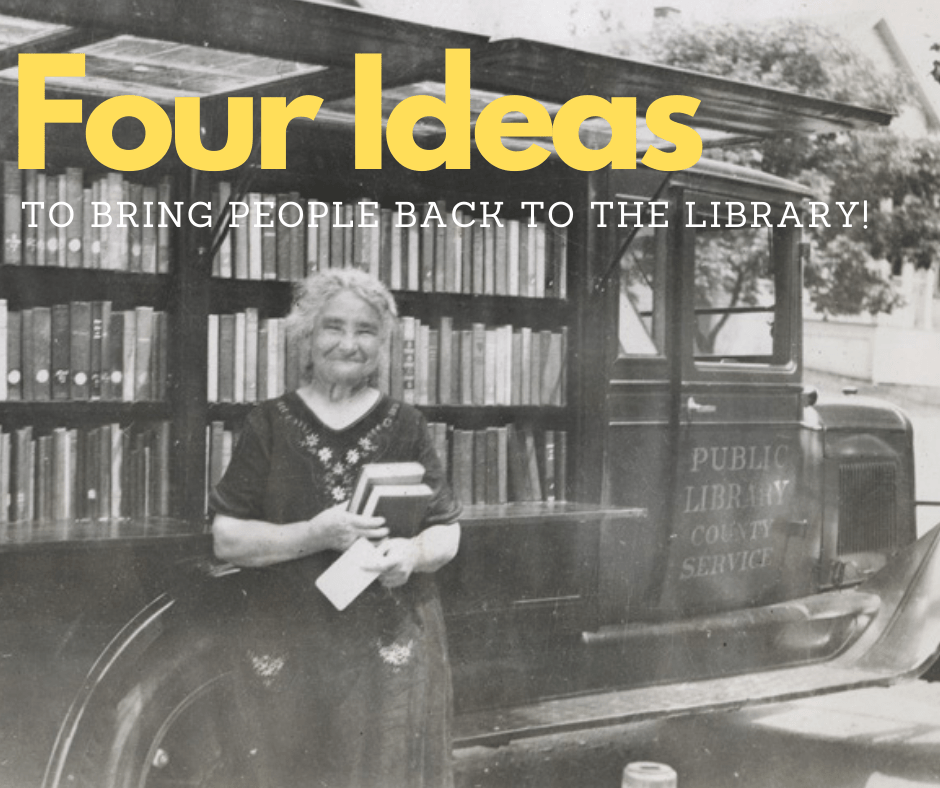
Here are four ideas that libraries can strategically use to bring people back to the library, re-engage cardholders, and get new community members to use the library.

Renew everyoneโ€™s library cards automatically and incentivize people to use them. Then, use that interaction to re-connect.

If you have a system where cards need to be renewed, a blanket automatic renewal is a great promotional tactic. Automatic renewal of library cards is a customer service best practice. And doing so right now, when we are coming off more than a year of service limitations, is strategically smart.

If your senior leaders have concerns about a blanket renewal, ask them to read Cordelia Anderson’s book. It explains the advantages of this action.

The next step is to gather prizes from partners, like you would for summer reading. Let people know theyโ€™ll be entered into a drawing to win a prize if they use their card. If they check out a book or use an online resource, they can fill out an entry. If your priorities are to drive attendance at in-person programs or to get people to physically come into a branch, you can tell people they get two entries in the drawing!

Once they come back, make sure you do everything you can to re-connect with these cardholders. Have your staff do three things with every person they interact with.

  • Get their email address.
  • Get them to self-identify their interests. Are they looking for help solving a particular problem, like finding a job? Are they looking for books for entertainment and relaxation? Ask your public to name at least one topic they would want more information about.
  • Give them a print piece of marketing material to encourage further use of the library. Don’t let them leave this interaction without something in their hands. Remind them that the library is open and actively providing service to your community again.

Rebuild a sense of community.

One of the things that library users said they missed most during the pandemic was social interaction. This is another opportunity for libraries to rebuild.

Rather than re-starting our one-off programs, letโ€™s spend our energy putting together programs that everyone can participate in. Wider-ranging programs, which focus on getting large groups people to do an activity together, help to build a sense of community.

One idea: everyone reads the same book, or watches the same movie, or listens to the same piece of music. Then, your library creates ways for your community to share their thoughts and experiences around that group activity.

Another idea: ask your patrons to share their pandemic stories. Encourage them to share how they survived their time in lockdown, what they learned, and how the experience changed them.

Let the public know you’ll be posting their contribution on a special landing page of your website, and sharing them through social media and in email. You can even print short versions of the stories on a bookmark, which youโ€™ll slip into holds and checkouts to encourage other library users to share their stories.

Finally, hold an event where people can have the chance to read their stories to an audience.

A shared experience builds community. And a community that feels connected to your library, and to each other, will keep coming back to use your services.

Use your virtual programs and videos to encourage your community to expand their library use.

Since the beginning of the pandemic, libraries have embraced livestream and video programming. Now we can use the platforms and audiences we have built for promotions.

Do a livestream from inside your building. Show your audience one thing they can do in your library that they havenโ€™t been able to use since the building was closed or operating under limited services. Save the video and repost it later for on-demand viewing.

Do a livestream where the community can ask questions about the library… an “ask me anything” type event. During your livestream, be sure to mention programs or services that may be interesting to those asking questions.

It’s like working the front desk: people ask questions and you provide the answers. You’ll be demonstrating your staff’s expertise and reminding people that the library is there to help.

Buy two kinds of social media ads.

We know social media algorithms do not work in favor of organic posts. Use some of your budget to circumvent the system by purchasing ads. 

Your ad approach can have two methods. One ad should focus on followers. They donโ€™t necessarily see your posts because of the algorithm. But a purchased ad will make sure you are in their feeds. Use the ad to alert them to your expanded changes in service.

The other ad should be focused on people who arenโ€™t library users or followers. You can even split this audience into people you think might be interested in coming into a branch versus people who might want to use digital resources. Social media platforms do a great job of helping you to target specific audiences with your ads.

Spend $25 and see what kind of results you get. If you have more money, use the data youโ€™ve received from this smaller test to run larger, longer ads.


You Might Also Like These Posts

Why NOW Is the Time To Experiment With Your Library Marketing and Promotions!

Your Summer Reading Challenge: How Your Library Can Use Big Events To Gather Compelling Content for Promotions During the Rest of the Year

Angela’s Latest Book Reviews

Everything Sad is Untrue by Daniel Nayeri

A Certain Hunger by Chelsea Summers

Subscribe to this blog and youโ€™ll receive an email every time I post. To do that, click on the โ€œFollowโ€ button in the bottom left-hand corner of the page. Connect with me on YouTubeTwitter, InstagramGoodreadsand LinkedIn.

Donโ€™t Release All Your Library Promotions at the Same Time: Why a Staggered Approach Reaches More People!

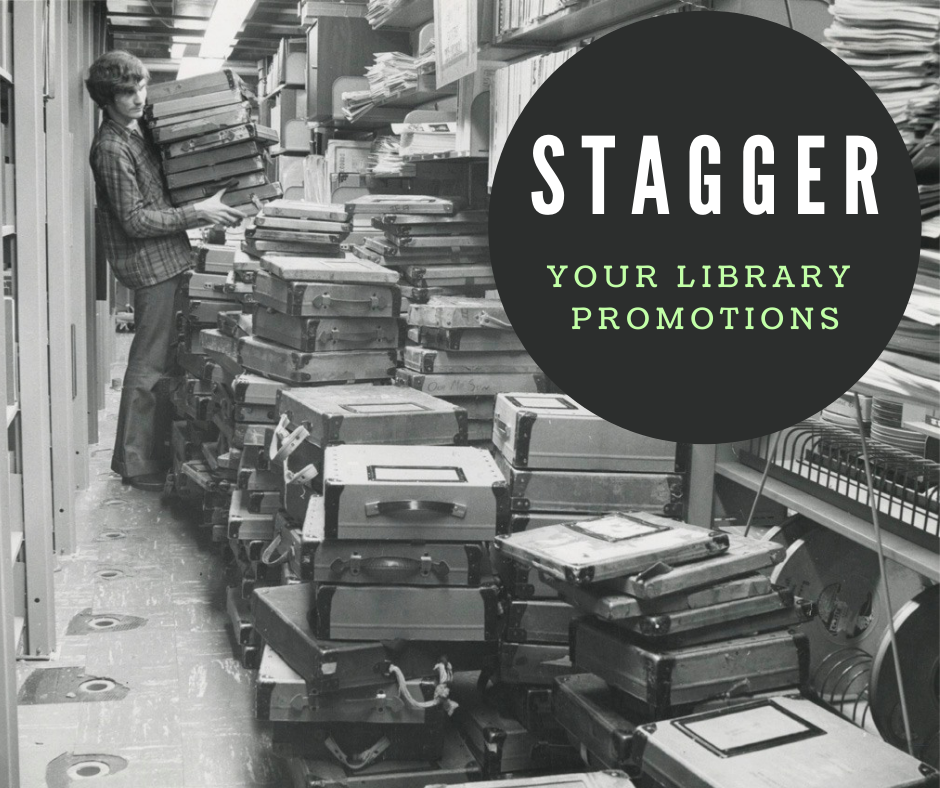
Shelver in the 16mm film area of the stacks, May 26th, 1974. Photo courtesy Public Library of Cincinnati and Hamilton County.

I am a new-ish fan of K-pop.

During quarantine, my 20-year-old daughter asked me to watch a reality series with her. It features her favorite Korean boy band, Stray Kids.

I was touched that she wanted to spend time together. I couldn’t say no, especially when I know she’ll be moving out of our house soon.

So during those dreary days of lockdown, I had something to look forward to: the point in the evening when she and I would make tea and snacks, and crawl into her bed to watch the members of Stray Kids compete to see who could sled down a hill holding a pitcher of water without spilling it or who could catch the most fish.

I became a fan of their music. And because I work in marketing, I started taking note of the way the promotion for Stray Kids, and other Korean musical groups, is coordinated.

Right now, six big K-pop groups are competing in a music variety reality show called Kingdom. It’s a master class in promotion. The marketing team builds excitement in the fan base by staggering promotional content over a specific period of time before each episode airs. Fans are seeing content at different times and days as they move across various platforms.

Libraries can learn something from K-pop.

Creating a compelling message, picking images, and deciding which tactics you will use to promote your library is important. But, deciding when you’ll release those promotions is just as critical.

When I started work in library marketing, I would create a marketing campaign and intentionally release all the promotions on all channels in the same day.

On the appointed day, my team sent an email and a press release. We added a homepage graphic and posted on all our social media platforms. We changed out the digital signage in our branches and put up posters.

And it was never very effective.

Then I heard marketing expert named Andrew Davis talk about staggered distribution. The approach takes advantage of the consumer cycle of excitement to expand your reach.

When you use staggered distribution, you release one or two promotional tactics at the beginning of your promotional cycle.ย Maybe you put up posters and send an email to your community.

Your promotion gets some play, and excitement builds in your community. People start talking about it. They might even share your promotion with their family and friends.

When the excitement dies out, you release your promotion on a second channel. The cycle of excitement and sharing begins again.

When that ends, you release your promotion on a third channel. You cycle through your promotion like this until you’ve used all the tactics planned.

When you use the staggered approach, you get a longer promotional thread. Your promotions will be more successful because the excitement around them builds over time, not in one big burst. Everyone in your audience sees the promotions. And more people take the action you want them to take!

For decades, my library used a traditional, all-at-once promotional approach to our Summer Reading program, which ran from June 1 through July 31. We released promotions using all our available tactics on May 1. And our registration numbers and check-in numbers were never as high as we wanted.

By the time we got to June 1, our audience was already tired of hearing about Summer Adventure. We used up all their excitement before we even got to the event!

So, we switched to a staggered approach.

We released promotions on our website on May 1 and installed yard signs. On May 15, we sent an email. On May 20, we put up all the signs around the inside of the library and started promotions on social media. From May 21 until June 1, we’d post once a day on one of our social media platforms. We started our ads on May 25. We sent a second email on June 1.

Throughout the course of our summer reading program, we would stagger promotions around all channels, so the message reached everyone in our audience, wherever they were consuming our content. We kept our audience excited, engaged, and interested.

And most importantly, it was effective. The first year we tried this staggered approach to distribution, we saw an 18 percent increase in registrations and a 67 percent increase in weekly check-ins.

This approach will work for your audience for any large-scale promotion. Stagger the elements of your promotion across various channels over time. More people will see your marketing and your efforts will be more effective.

I talked more about this idea in this episode of the Library Marketing Show. Try it and let me know if you see an increase in the effectiveness of your marketing work.


You Might Also Like These Posts

Everything You Need to Know to Create an Effective Marketing Plan for Any Library Promotion

Virtual Library Programmersโ€“Heads Up! Hereโ€™s a Super Easy, Step-by-Step Plan to Establish a Style Guide for Your Library Videos

Latest Book Reviews

How to Avoid a Climate Disaster by Bill Gates

Subscribe to this blog and youโ€™ll receive an email every time I post. To do that, click on the โ€œFollowโ€ button in the bottom left-hand corner of the page. Connect with me on YouTubeTwitter, InstagramGoodreadsand LinkedIn.

The Quest for Perfection May Spoil Your Library Promotions! How To Walk the Line During the Revision Process and Still Create Authentic Messages

I learned a skill as a journalist which has been invaluable to me as a marketer.

As a journalist, I was an expert at knowingย when to let go of a piece of contentย and send it out into space, even though it was imperfect.

It’s the nature of the news business. You have a deadline and when the deadline arrives, you go to air or to print with as much information as you have. You know that youย can revisit the story later to add new details. And that must be enough.

One of the hardest adjustments I had to make when I left the newsroom and went to the library was the constant reshaping of promotional messages and campaigns.

The good and bad of the revision process

When I worked in a library, each blog post, print piece, email, social media post, or video would go through rounds of review by several departments. The record was held by our content marketing magazine, which sometimes went through upwards of 15 edits per issue.

All the scrutiny had its advantages. More edits meant grammatical, punctuation, and spelling errors were found and fixed. The revision process also gave me the chance to see how each message was perceived by different people with different perspectives.

I purposefully chose reviewers who worked with different target cardholder audiences. They told me whether they thought their patron base would respond to the message. I trusted their opinions and took their advice when they told me a phrasing or image change would increase my message’s effectiveness.

But there were also pitfalls to revision process. The message was sometimes reshaped by people who pressured me to add words or phrases that weren’t customer friendly. They might also wish to dilute or change the message altogether, depending on their department’s own goals or agenda.ย 

The point at which your library’s revision process goes from helpful to over-examined is the space I want to focus on in this post.

It’s very easy to start over-thinking text, images, and graphics. The message you’ve carefully crafted may not connect with your audience because it disappears in the search for perfection. It can be crippling.

There is a very thin line between authenticity and perfection. It takes practice to walk that line. Here’s the advice I have for you.

Constant improvement is better than perfection

The best content isn’t perfect. That is what makes it good.

Imperfection shows your library’s human side. When you write from the heart, your message feels more authentic. 

Don’t sabotage your own marketing efforts by waiting for the moment when every single detail is right.ย Give yourself permission to release a piece of marketing content when the time is right, not when it’s perfect.

Creative, honest messaging will be the doorway for your library to connect with consumers in the moment when they are genuinely searching for answers from your library.

I’m a fan of author, speaker, and showrunner Jay Acunzo. I highly recommend his newsletter. His niche is creativity. He inspires others by talking about how creativity intersects with work in the real world.

In this blog post, Jay makes a great point that I think about all the time. He says, “How can we aspire to perfection (even if it’s never something we reach) while still moving forward without delay (even if we aren’t creating amazing work yet)? Well, I think the key is to place perfection where it belongs: away in the distance. Then, we can busy ourselves with marching towards it.”

In the library, that means we must do the work and ship it when it needs to be shipped. But we also must commit to revising it, molding it, and realizing that it is a work in progress.

In your library promotional work, your goal must not be perfection. It must be constant improvement.

But I have a deadline!

You work in a real library with real goals and strategies. And the quest for perfection will sometimes seem like a lofty goal that you don’t have the luxury of achieving.

So how do you know when a piece of content is ready for release, even if it’s not perfect? Ask yourself these three questions.

1. Is your promotion as compelling and authentic as it can be in this moment?

2. Is your promotional piece free of grammatical, punctuation, and spelling errors?

3. Is the information in your promotional piece correct?

If the answer is yet to these three questions, it’s time to let go.

Marketing is one giant experiment. Even when you release a promotion that isn’t perfect, you will still learn plenty from it. Measure and record the results of your promotion. Then use that data to adjust and reconfigure your attempts on the next go-around.

Don’t get bogged down in the quest for perfection. Be human. Be authentic. Be true to your library voice.

And get the message out there! Your imperfect message may lead to some perfect insight into your community.


Do you have an example of a time when an imperfect message brought you some perfect insight into your customers? Share your thoughts in the comments!

You may also like these posts

Hereโ€™s When Itโ€™s Okay for Your Library To Forget Perfection and Just Push Send!

You Donโ€™t Have To Be Cool To Promote Your Library to Teens! Here Are Seven Seriously Easy Ways To Connect With Gen Z

Latest Book Review

The Only Good Indians by Stephen Graham Jones

Subscribe to this blog and youโ€™ll receive an email every time I post. To do that, click on the โ€œFollowโ€ button in the bottom left-hand corner of the page. Connect with me on YouTube, Twitter, Instagram, Goodreads, and LinkedIn.

Your Library Can Reach Teens With Programming and Marketing! A Look Inside the Lives and Minds of the Elusive Generation Z

There is one question I get every time I work with a library or speak at a conference. Library staff always want to know, โ€œHow do we reach teenagers?โ€

Teenagers are not alien beings. They’re just another target demographic with specific needs, wants, and pain points. And libraries can reach them with intentional promotional tactics. But first, we need to understand who they are, what they like, and what challenges they face.

Generation Z: what do we know about teens right now?

Teens are part of the generational label known as Gen Z. This generation encompasses anyone born between 1997 and 2015.

There are nearly 68 million Americans in Gen Z, according to the Pew Research Center. Teens make up one-fifth of the population in the UK and about 13 percent of the population in Australia. That’s a lot of people! It’s why this work is so important.

Here is some key demographic information to keep in mind as you develop library programming and marketing for this group of users.

  • They are the most racially and ethnically diverse generation.
  • Gen Z are digital natives. They can’t remember a world without smartphones and computers.
  • When it comes to social and political issues, Gen Z mirrors the values and beliefs of Millennials.

If you aren’t lucky enough to have a teen in your household, you may be wondering what they like and dislike. Google did a trend study to find out what teens think is cool. Gen Z defines “cool” as something that is unique, interesting, or brings them happiness. Here are the findings that directly relate to libraries.

  • Male teens are more likely to be persuaded that something is cool by their friends, where female teens will determine whether something is cool based on how it makes them feel.
  • The top three social media platforms by usage for male teens are Facebook, Instagram, and Snapchat. For female teens, the top three social media platforms are Instagram, Snapchat, and Facebook.
  • However, the study also finds Facebook is considered “uncool” by teens. Teens connect with friends on Snapchat but are not consuming content on that platform from brands, including libraries. Instagram appears to be the place where teens both consume and interact with library content.
  • Gen Z loves on-demand entertainment options, like streaming music and video.
  • And here’s the best finding: reading is among the coolest activities for teenagers! It’s almost as popular with teens as video games.

What we learned from marketing to Millennial teens may apply to Gen Z

Whatever you did to market to Millennial teens a decade ago, it worked. The Pew Research Centerโ€™s study of millennials shows that they are the most active library users of any generation.

The study draws a connection between that increase in engagement and the changes libraries made to their service model in the last decade. Increased computer access, as well as extra services like meeting spaces, makerspaces, and collaborative workspaces changed the publicโ€™s perception of libraries and specifically appealed to young adults. ย 

The impact of the pandemic on Gen Z

The COVID-19 crisis may have impacted teens more than any other generation. We won’t know the full extent of that impact for years. But there is some research done in 2020 about the pandemic and teens to use as a starting point.

  • A Bank of America report shows the pandemic will impact Gen Z’s financial and professional future in the same way that the Great Recession did for millennials. They’re less likely to be employed, because of the financial crisis brought on by the pandemic. One in four Americans in Gen Z lost their job between February and May of 2020.
  • Because of the pandemic, some teens are more cost-conscious. The State of Gen Z report shows 54 percent of teens are saving more money now than they did before the crisis. 39 percent have opened an online bank account.
  • Before the pandemic, Gen Z was on track to be the most well-educated generation. But the move to remote learning has cost many teens a great deal educationally. Half of high schoolers will lack minimum levels of proficiency to enter college by the time they graduate (up from 40 percent before the pandemic). Many teens have put off applying for college altogether.
  • Social isolation during the pandemic created a mental health crisis for Gen Z. A survey by StuDocu showed about 62 percent of teens reported worsening mental health during the pandemic.

Library programming and service ideas for Gen Z

How can libraries help teens and turn them into lifelong library users? There are some specific programs and services that libraries could create to address the challenges facing Gen Z right now.

  • Your collection is an escape for teens. Your library’s books, streaming music, and movies can help kids deal with the emotional stress of the pandemic and of being a teenager in general! The collection is the gateway to introduce teen library users to other services. It should be regularly marketed to your teen community members.
  • We can minimize the educational losses for teens by offering personalized online tutoring services in a safe, judgement-free environment. Libraries spend a lot of time and energy on early literacy programs. I would argue that right now, we need to devote just as many resources to help Gen Z get back on track educationally as we do teaching little ones basic literacy skills.
  • We should create financial literacy programs for teens that include the basics like budgeting, how to open and manage a bank account, and realistic tips to help them save for post-secondary education.
  • Libraries can specifically target teens with job creation programs. Your staff can help Gen Z community members create their first resume, search for jobs online, and successfully navigate interviews.
  • Libraries should offer unstructured programs that let teens socialize in a safe space, even if it’s online.

The programs and services you provide during this critical time will build the foundation for a life-long library relationship between libraries and teens.

Next week: Specific tips for marketing your library’s collection, services, and programming to teens.


Do you have thoughts on this research? Is your library succeeding in marketing to teens? Share your thoughts in the comments.

You may also like these posts

Teens Read Emails. Hereโ€™s How To Make Sure They Notice Yours!

The Ultimate Library Marketing Checklist: How to Decide When and Where to Promote Your Library

Latest Book Review

The Children’s Blizzard by Melanie Benjamin

Subscribe to this blog and youโ€™ll receive an email every time I post. To do that, click on the โ€œFollowโ€ button in the bottom left-hand corner of the page. Connect with me on YouTube, Twitter, Instagram, Goodreads, and LinkedIn.

The Dreaded Library Annual Report: How to Create a Masterpiece that Showcases Your Library’s Value and Inspires Your Readers

Is there any library marketing task as daunting as the annual report? I don’t think so.

Neither does reader Carrie Weaver of Peters Township Public Library. She is the inspiration behind this post.

Carrie writes, “I am sure many other libraries are preparing their 2020 summaries for stakeholders, elected officials, and the folks in the communities they serve. Can you talk about what they should/should not be? What should be included? What is a good length? I want our annual report to be more than a bunch of stats – I want to tell the story of how our library served our community in this year like no other!

Confession: I created six annual reports during my time at the The Cincinnati and Hamilton County Public Library. And I found it to be the most difficult work I had to do every year.

Carrie was spot on. The annual report has an importance that no other piece of library marketing holds. And that’s especially true this year. It must convey the work you did, the value you provided, and the ways the pandemic affected your library.

And, as Carrie says, your annual report is more than an archive of your libraryโ€™s work. It is a way to tell the story of your library.

Your annual report can show the connection between your libraryโ€™s mission and strategy. It can clarify the impact your organization had on the community. And of course, your annual report can thank donors and volunteers, as well as inspire future donations and volunteers.

You are no longer locked into using a brochure or a longform magazine. Your library may decide to change format, the size, and the way you present that information to best serve your audience.

Weโ€™ll start with ten tips for putting together a highly effective annual report. Then, I’ve gathered examples of library annual reports, as well as annual reports from other non-profit organizations for inspiration!

Decide what your key message will be.

Your annual report should be more than a list of your work. It can tell a story. And you can use it to stir emotion.

Ask yourself: What do you want your readers to feel once theyโ€™re finished reading your annual report? Think about how youโ€™ll construct a narrative and take your readers through the various pieces to an end point, the focus of your key message.

Think of this as a call to action for readers. How can they help your organization to make progress this year? The answer should be very clear to readers once they reach the end of your document.

Focus on your libraryโ€™s accomplishments, not just activities.

The readers of your annual report want to know why your library did what it did in 2020. Youโ€™ll want to highlight how your library staff responded to the pandemic. Donโ€™t just talk about how you pivoted to provide support to your community. Talk about why that pivot was so important.

Write about the impact your work had on your community. Connect the everyday activities of your library to your mission statement and your libraryโ€™s overall strategy.

Create an outline to lay out what you want to cover and how youโ€™ll cover it. 

Plan to mix elements, with some pages including text, photos, and data. This mix will keep your audience interested and will help them to comprehend and remember the story and data points in your annual report.

Also, make sure that the pages include room for photos, as well as plenty of white space.

Use infographics to convey data.

Infographics can explain complex ideas and information in a simple way that is accessible to many audiences.

Our brains are hard wired for visuals. An infographic can trigger a reaction in the human brain, sometimes even before the person consciously realizes and processes that reaction. For more tips about constructing an infographic, read this post.

Balance data with stories.

Stories can humanize the work of your library and make your annual report more compelling.  

Clearly show the change that resulted from your libraryโ€™s work. Use a storytelling structure with a beginning, middle, and end to show what changed as a result of your library.

In addition to patron stories, you might also consider including stories about your senior staff and employees to showcase the value of the people who do your libraryโ€™s work. 

Finally, share a story of one person rather than a group. Your readers will find it easier to connect to a single person than a group of people. For the most compelling story, use that personโ€™s own words as much as you can by including quotes and first-person narratives.

Use your words to inform and inspire.

The text portions of your report must be in your libraryโ€™s brand voice. Youโ€™ll want your words to feel authentic and intimate to appeal to the heart of your audience.

Try to avoid being professorial or aloof. You can excite, surprise, and delight readers of your annual report by writing in a conversational tone.  

In fact, your library may consider using a blog-like model for the text in your annual report. Streamline your text to highlight only the most interesting tidbits for your readers.

Let the story determine the length.

There is no right or wrong length for an annual report. The amount of space you need to accurately convey the story of your library’s journey through the past year is exactly the right length.

Of course, you may need to add or cut sections based on factors outside of the story. For instance, if you use a vendor to print copies of your report, you may be bound to fill or fit a certain number of pages. But in general, let the story of your library be the guide when determining the length of your report.

Convey a sense of gratitude throughout the document.

An attitude of gratitude should permeate the entire report. Be sure to emphasize how important taxpayer and donor support is to your success. Saying โ€œthank youโ€ creates a personal connection to your supporters that can boost engagement for future fundraising campaigns, as well as loyalty to your library.

If you highlight a specific initiative or program, you can conclude the text with a line like: This was made possible with the support of taxpayers, corporate partners, foundation, friends, and individual supporters.

Proofread like your life depends on it.

Your annual report should be professional, polished, and proof-read. Recruit at least three staff members outside of your department to read the proof before it goes to the printer.

And double check the names of donors. Donors will feel slighted if their name is misspelled or if their donation is not acknowledged in the annual report.

Repurpose your annual report for additional marketing content.

You can extend the value of all the hard work you’ve put into your annual report by using the pieces for marketing.

Put the full report on your website for public transparency. Write a blog post version of the report and link to the full document.

Add a line to your emails and newsletters to prompt the community to read the report. And separate out the sections to create condensed social media posts for further reach.

Library annual reports for inspiration

San Mateo County Libraries 2019-2020 Annual Report

Mid-Continent Public Library 2019-2020 Annual Report

Cuyahoga County Public Library 2019 Annual Report

Spokane Public Library’s 2019 Annual Report

New York Public Library’s 2019 Annual Report

Other annual reports for inspiration

EveryLibraryโ€™s 2019 Annual Report

Feeding Americaโ€™s 2019 Annual Report

Equal Justice Initiative 2018 Annual Report

You may also like these posts

Nine Free Online Writing Tools To Help Add Clarity and Creativity to Your Writing Every Day!

Experts Reveal the Truth About What Your Library Needs to Do Now to Build Support for the Future

Latest Book Review

Seven Days of Us by Francesca Hornak

Subscribe to this blog and youโ€™ll receive an email every time I post. To do that, click on the โ€œFollowโ€ button in the bottom left-hand corner of the page. Connect with me on YouTube, Twitter, Instagram, and LinkedIn.

Six Years Later, Library Marketing No Longer Stinks! Here are Four Forward-Thinking Things Libraries Must Do Now.

Text of Four Forward Thinking Things Libraries Must Do Now over a vintage photo of library shelves. Photo courtesy Public Library of Cincinnati and Hamilton County.

I started this blog six years ago. Can you believe it?

When I published my first post, I really had one goal: To help other library workers. I believed that sharing tips, strategies, ideas, and best practices for library marketing would strengthen the whole library industry and help secure the future of libraries.

I still believe that.

And we’ve come a long way in library marketing. Many libraries are promoting their collection and services in ways they would have never imagined six years ago. They’re focused on strategy and innovation. They’re not afraid to try new things. They’re experimenting. They’re putting cardholders first.

Library marketing no longer stinks! Now it’s time to advance library marketing to the next level. Here are the four things libraries should do now to move successfully into the future.

Put your collection front and center on your website.

When I visit a library website, the first thing I notice is how prominently they promote their books, movies, and streaming content. When I must search for these things, it causes me real grief. It’s like going to the grocery store and finding the milk and eggs hidden in a back room accessible only to the most intrepid shoppers.

Most of the folks who interact with your library online are there for the collection. If you don’t believe me, check your website statistics. Look at Google Analytics. I’ll bet you the most visited pages of your website are the homepage, your catalog, and any page that showcases your collection items.

Donโ€™t hide your collection on your website.

If you have a personalized reading recommendation service, put it right in the middle of your homepage. If you have reading recommendation newsletters, put your opt-in link right in the middle of your homepage. Post about your collection on social media at least 50 percent of the time.

Books are your brand. If your library wants to have a part in making the world more informed, more educated, and more empathetic, put your collection right where people can find it on your website.  

Shift your energy from library programs to library services.

I have shared many conversations in the past few years with library workers who express frustration over program promotion.

This reached a fever pitch in 2020, as the pandemic forced programs to move online. Library workers couldn’t measure attendance as they once did. And attendance and registration numbers dropped off.

The frustration is palpable. We put all this work into quality programs, and no one shows up. Doesn’t that bother anyone else? Why are we doing this?

Libraries need to have a hard conversation with themselves. Programming gets too much emphasis in libraries.

We should spend our energy instead on developing and promoting our unique services, like homework help, adult education courses, genealogy research, and small business support.

No one else in our community does these things for free. They are so important to our communities. These are the hidden treasures of libraries. And they are underused because people don’t know they exist.

So, let’s spend this year shifting our focus to strategically and systematically promoting these services. Add mentions of these services in your email newsletters. Post about these services on social media at least 25 percent of the time.

And use those precious in-person interactions to market your services. If you see someone picking up curbside items on topics like career, education, or family history, let the patron know about the appropriate matching service.

Use data to make current library cardholders happy.

Many libraries spend an awful lot of time focused on trying to get new customers. But once a person signs up for a library card, we take it for granted that this cardholder will use their card again.

It takes a lot of time and energy to get a cardholder signed up in the first place. That time and energy is better spent working to make current library users realize everything their magical library card can offer them. Because what would you rather have… lots of library cardholders or lots of library users?

This year, I want libraries to spend less time chasing new cardholders and more time gathering data about our current cardholders. Then target current cardholders with marketing messages that keep them coming back to the library.

We can create surveys to gather demographic data and psychographic data. Then we can use that data to ask ourselves: what do our current cardholders want and need from us? Focus on those things this year for maximum effectiveness in your library marketing.

Make it easier for people to use your library.

Let’s be honest: people must clear a lot of hurdles to use the library.

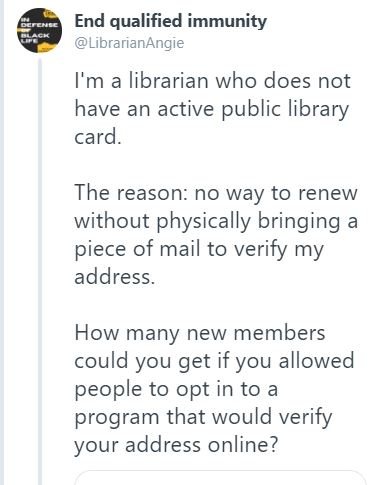
It’s hard to get a library card. Community members must provide proper identification. If they apply online, they must show up at a branch to claim their card, often within a specific amount of time. I was reminded of this just a few days ago, when I received this Tweet.

Library users also must have separate logins and passwords to use services like Hoopla, Overdrive, Kanopy, and Freegal.

And if cardholders don’t return items on time, they get fined. If a library user accumulates too many fines, they lose the ability to use their card.

All these things may seem like little inconveniences. But it is these little hurdles that stand in the way of advancing our libraries in the future.

I know some of these hurdles are not the fault of the library. We’re often at the mercy of our vendors. But our communities don’t know that and, frankly, I don’t think it matters. People expect easy access to library services. And they receive easy and convenient services from other companies.

Libraries need to make a concerted and deliberate effort to make it easier for people to use the library in 2021. We’ll have to do this to compete with convenient services that threaten to take away our market share.

First, let’s fix the things that are in our control. We can make it easy for anyone to get a library card online without ID. And we can eliminate fines and fees that serve as a barrier to many of our patrons.

Next, let’s band together to demand vendors create integration that allows library users to access their services from our website with one-step authentication: their library card number. Demanding this change as an industry will be one of the best ways to advocate on behalf of our cardholders this year.

You may also like these posts

The New Year is Here! Here are Five Things for Your Library to Promote in 2021.

Zoom Fatigue is RUINING My Library Programming! How the Heck Should Libraries Deal With That?

Latest Book Reviews

The Invisible Life of Addie Larue by VE Schwab

Find more 60-second Book Reviews here.

Subscribe to this blog and youโ€™ll receive an email every time I post. To do that, click on the โ€œFollowโ€ button in the bottom left-hand corner of the page. Connect with me on YouTube, Twitter, Instagram, and LinkedIn.

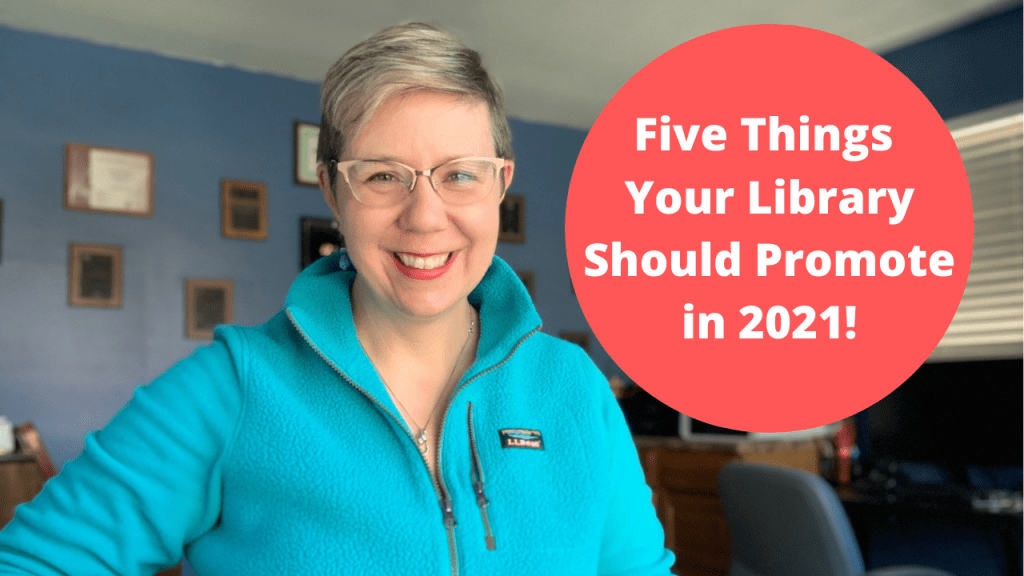
๐ŸŽ‰๐ŸฅณThe New Year is Here! Here are Five Things for Your Library to Promote in 2021.

Watch Now

The Library Marketing Show, Episode 75

In this episode, I’ll go over five library strategies for 2021.

Kudos in this episode go to the Elsmere Library for a Facebook post and their fun cookie recipe exchange!

Do you have a suggestion for a topic for a future episode? Want to nominate someone for kudos? Let me know in the comments. And subscribe to this series to get a new video tip for libraries each week! Thanks for watching.

A WordPress.com Website.

Up ↑